
A Cobblestone Sanctuary of History, Coffee, and Volcanoes
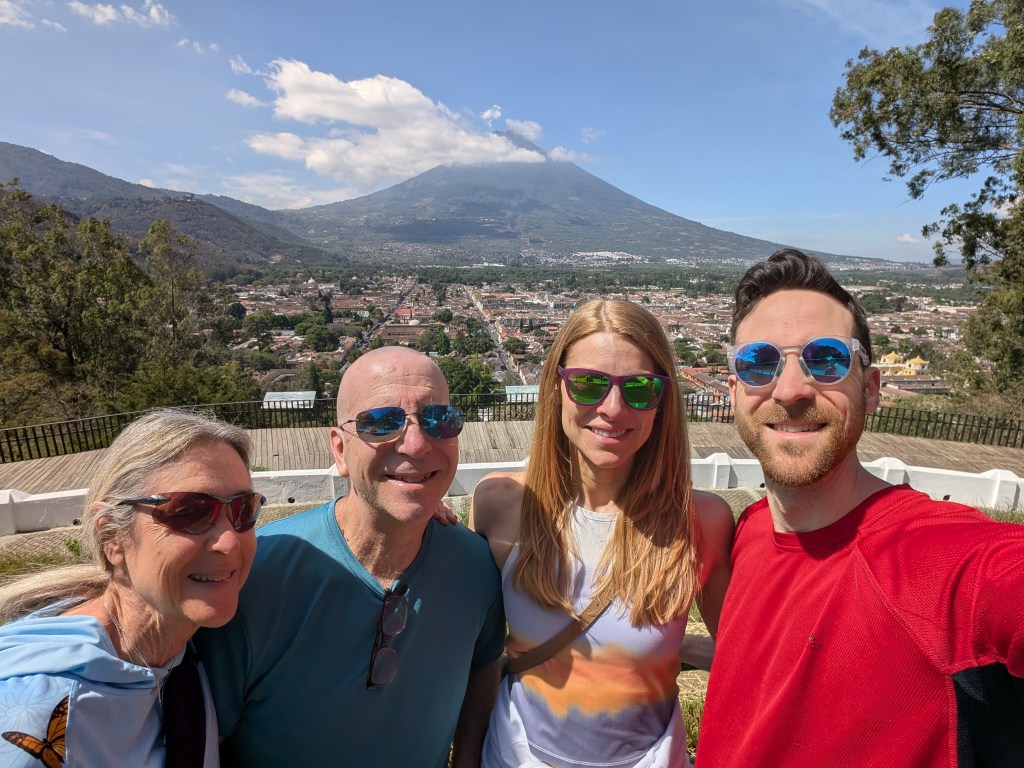
Early this month, I returned from an incredible experience in Antigua, Guatemala, where I was fortunate to have a family wedding. For travelers seeking a destination that balances rich heritage, exceptional culinary and coffee scenes, and dramatic natural geography, Antigua Guatemala stands out. Sheltered by three towering volcanoes, this colonial enclave delivers an immersive travel experience within a short distance from the United States.
Proximity and Accessibility
Guatemala is one of the most accessible international cultural hubs for travelers originating in North America. Direct flights from major United States transit hubs—including Houston, Miami, Dallas, Atlanta, and Los Angeles—arrive at La Aurora International Airport (GUA) in Guatemala City in three to five hours.
Upon landing, Antigua sits roughly 25 miles to the southwest. The transition from the capital to the cobblestone streets of the historic valley takes from one to over two hours, depending entirely on Guatemala City’s notorious peak-hour traffic (it’s rough, so be prepared to crawl). Reliable private transfers, pre-arranged shuttles, or rideshare services make this final leg straightforward and secure, minimizing travel friction and leaving you ready to explore by early afternoon.
Culture, History, and Modern Identity
Founded in the early 16th century as Santiago de los Caballeros de Guatemala, Antigua served as the Spanish colonial capital of Central America for more than two centuries. Its history is defined by its volatile geography. A series of catastrophic earthquakes in 1773 severely damaged the city, prompting the Spanish crown to order the capital relocated to present-day Guatemala City.
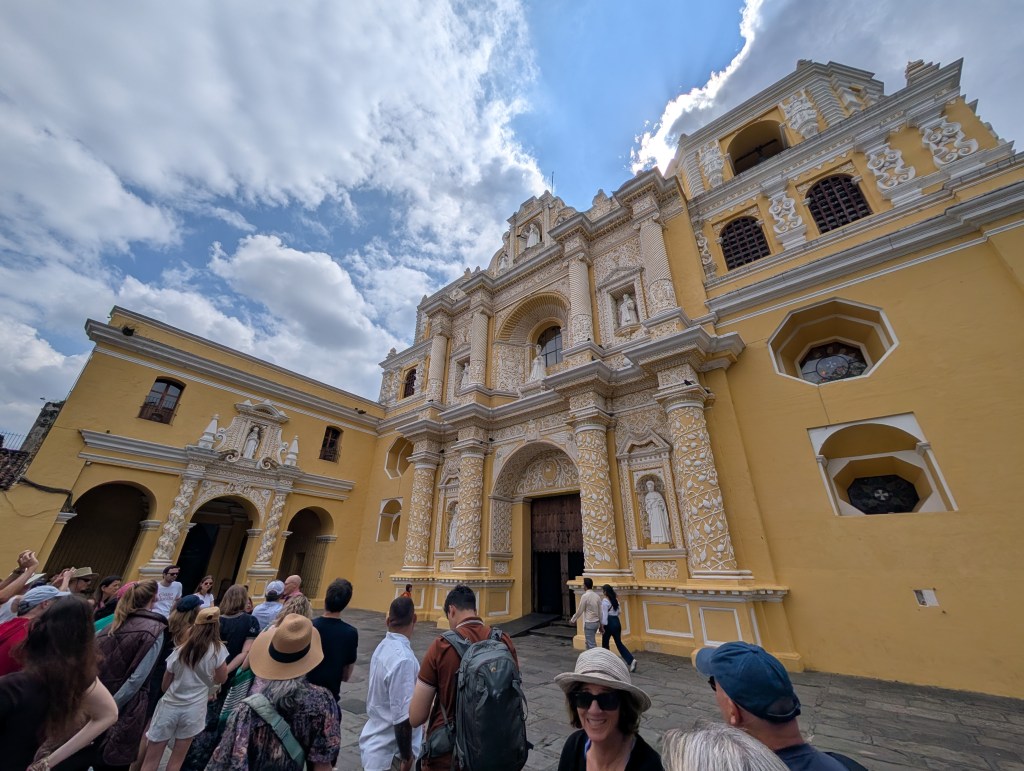
Instead of fading away, Antigua became a preserved architectural capsule. Today, it operates as a UNESCO World Heritage site, protected by strict municipal codes that mandate colonial-style architecture, uniform signage, and the preservation of its original grid layout. The ruins of Baroque monasteries, convents, and cathedrals sit side-by-side with modern establishments. Indigenous Mayan culture remains central to daily life, visible in the traditional textiles worn by residents, the languages spoken in the markets, and the preservation of syncretic religious traditions that merge ancestral practices with Catholicism.
The Lodging Standard: Hotel Casa Santo Domingo
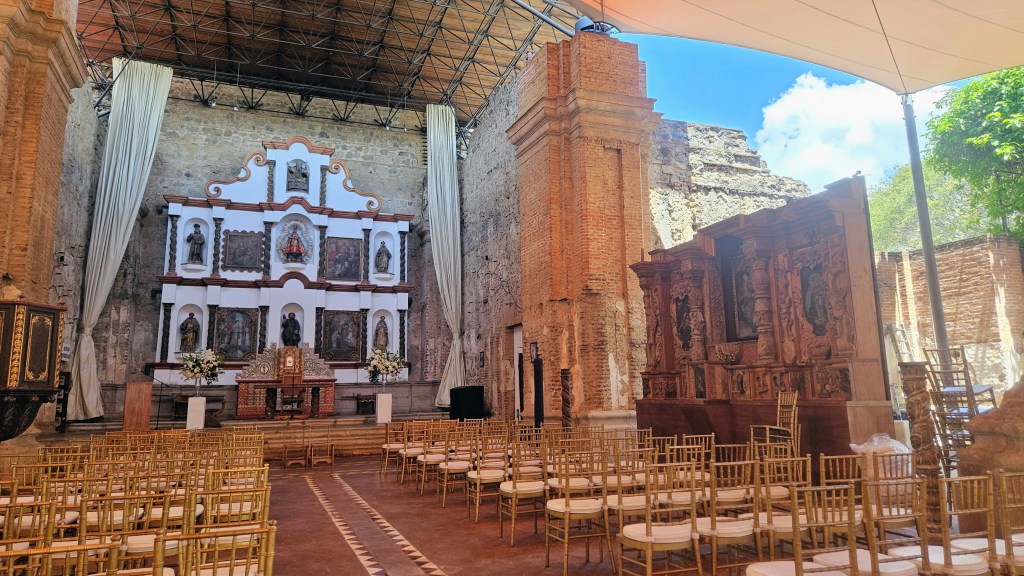
Accommodations in Antigua are anchors of historical immersion, led by Hotel Casa Santo Domingo. This property occupies the grounds of the former Convent of Santo Domingo, a grand Dominican monastery destroyed in the 1773 earthquakes. The property functions as a five-star hotel integrated into a living museum complex.
Guests walk through stone corridors illuminated by wax candles, past preserved colonial brickwork, buried crypts, and active archaeological excavations. The hotel houses six distinct museums showcasing pre-Columbian artifacts, colonial silver, religious art, and contemporary glasswork. The grounds feature expansive gardens inhabited by macaws, reflecting pools, and ruins that host evening events. Casa Santo Domingo sets a high standard for luxury properties by treating historical preservation as a core asset rather than design window dressing. We were genuinely in constant awe as we walked the halls and ruins around the property.
A Global Coffee Destination
The volcanic soil and high altitude of the Panchoy Valley create ideal conditions for growing high-quality Arabica beans, making Antigua famous worldwide for its coffee. The city’s cafe culture has evolved to match this agricultural heritage, featuring precise roasting and brewing techniques. As a self-proclaimed coffee snob, I had to check out a few of the top-rated cafes in town. As an overarching note, while the specialty coffee is certainly going to be more expensive than your average coffee in Antigua, it’s still far cheaper than the top-tier shops in most US cities.
- Coffea Cafes Especiales: This specialized venue focuses heavily on single-origin transparency and bean selection. Baristas provide deep technical details on the farm elevations, varietals, and processing methods of each batch, tailoring extraction to bring out distinct flavor profiles. This was also notably included in the 2026 list of the 100 best coffee shops in the world. I think this was probably my favorite coffee of the trip, and I also brought home a bag of beans to make myself.
- Fat Cat Coffee House: A pioneer in introducing specialty third-wave brewing methods to Antigua. Fat Cat is known for its mastery of alternative extraction techniques, including V60 pour-overs, AeroPress, and cold brews, utilizing beans sourced directly from independent local micro-lots. There weren’t as many options when it came to choosing beans, but the coffee was still fantastic (on a side note, I was also ogling the merch).
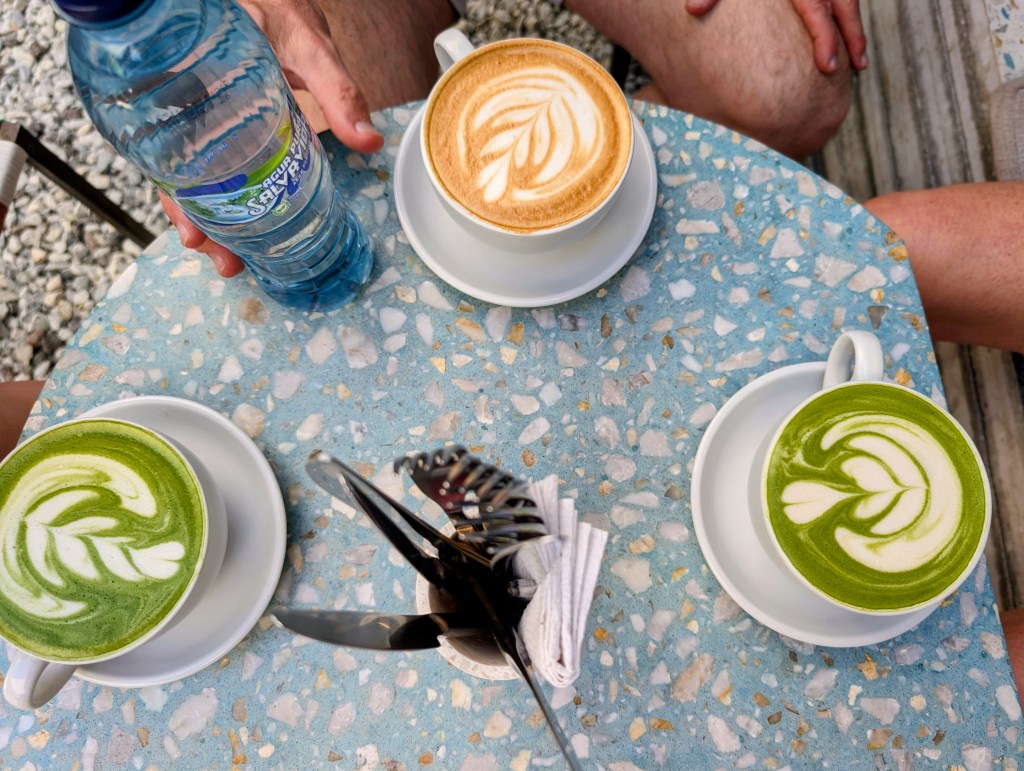
- 12 Onzas: This cafe combines contemporary, minimalist design with a highly professional approach to coffee. It serves as an excellent spot to experience micro-lot Guatemalan espressos served in an atmosphere that showcases the city’s modern creative class. To go with the espresso mastery, the lattes here were particularly delicious. It also has a great brunch menu and quiet outdoor patio, so it’s the perfect place for a serene coffee and avocado toast right in the heart of town.
The Hub of Public Life: Parque Central
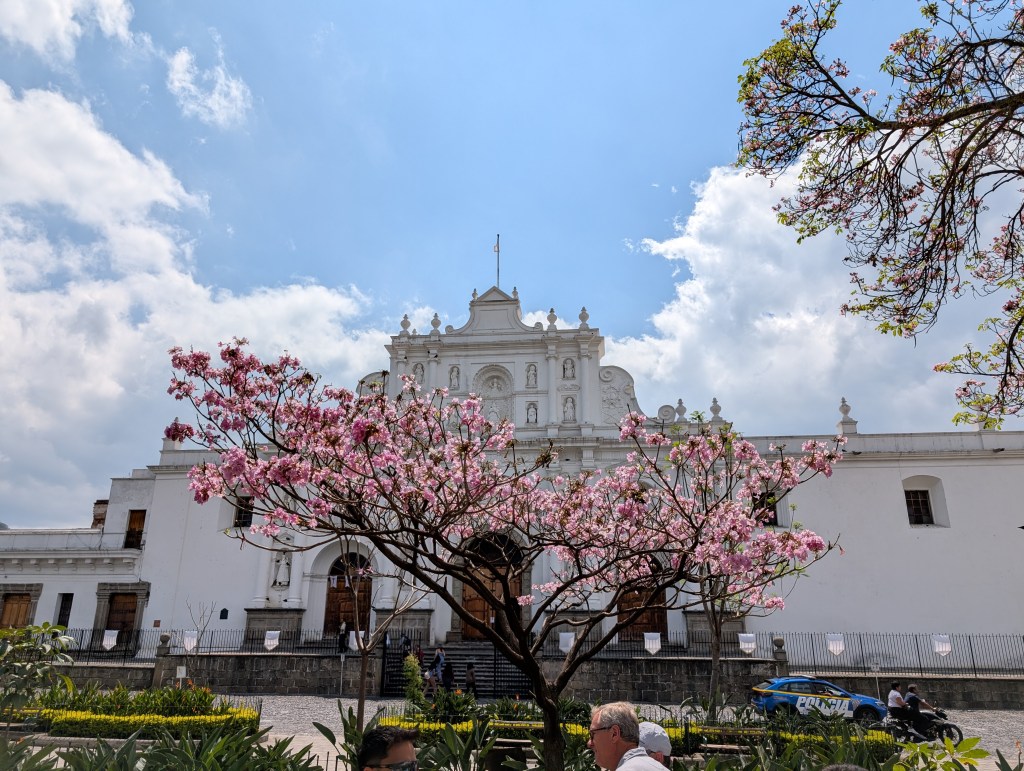
The physical and social center of the city is the Plaza Mayor, or Parque Central. This square operates as Antigua’s living room, surrounded by foundational civic structures: the Palacio de los Capitanes Generales, the Ayuntamiento (City Hall), and the San José Cathedral. At its center sits the iconic Fountain of the Sirens, designed in 1738 by architect Diego de Porres.
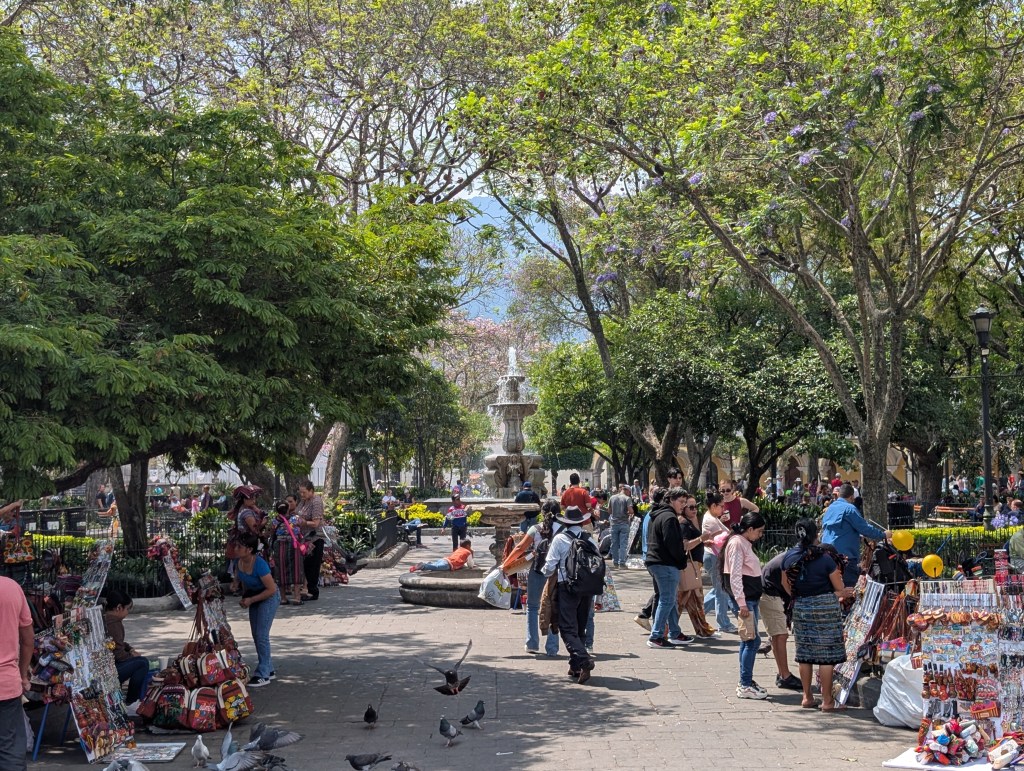
The energy here shifts constantly throughout the day. Morning brings quiet vendors and locals reading newspapers, while late afternoon turns the park into an active gathering space filled with street performers, shoe-shiners, and families. It offers an excellent vantage point for observing the social dynamics of the city, framed by views of the Agua Volcano rising directly behind the colonial facades.
Market Insights: Sourcing Authentic Jade
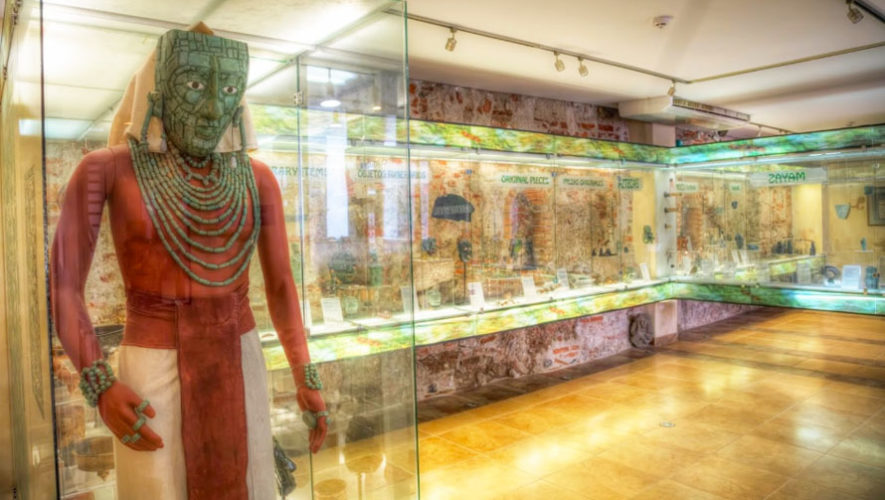
Shopping in Antigua centers on traditional handicrafts, hand-woven textiles, and silver. Jade holds a prominent position, rooted in its sacred historical value to the Maya civilization. When purchasing jade, buyers must exercise caution, as low-grade stones, chemically treated minerals, or green glass replicas frequently appear in informal markets. To guarantee authenticity, buy from established institutions like Jades Imperio or Jade Maya, which provide verifiable mineral certification and document the sourcing of their jadeite stones.
Culinary Landscape
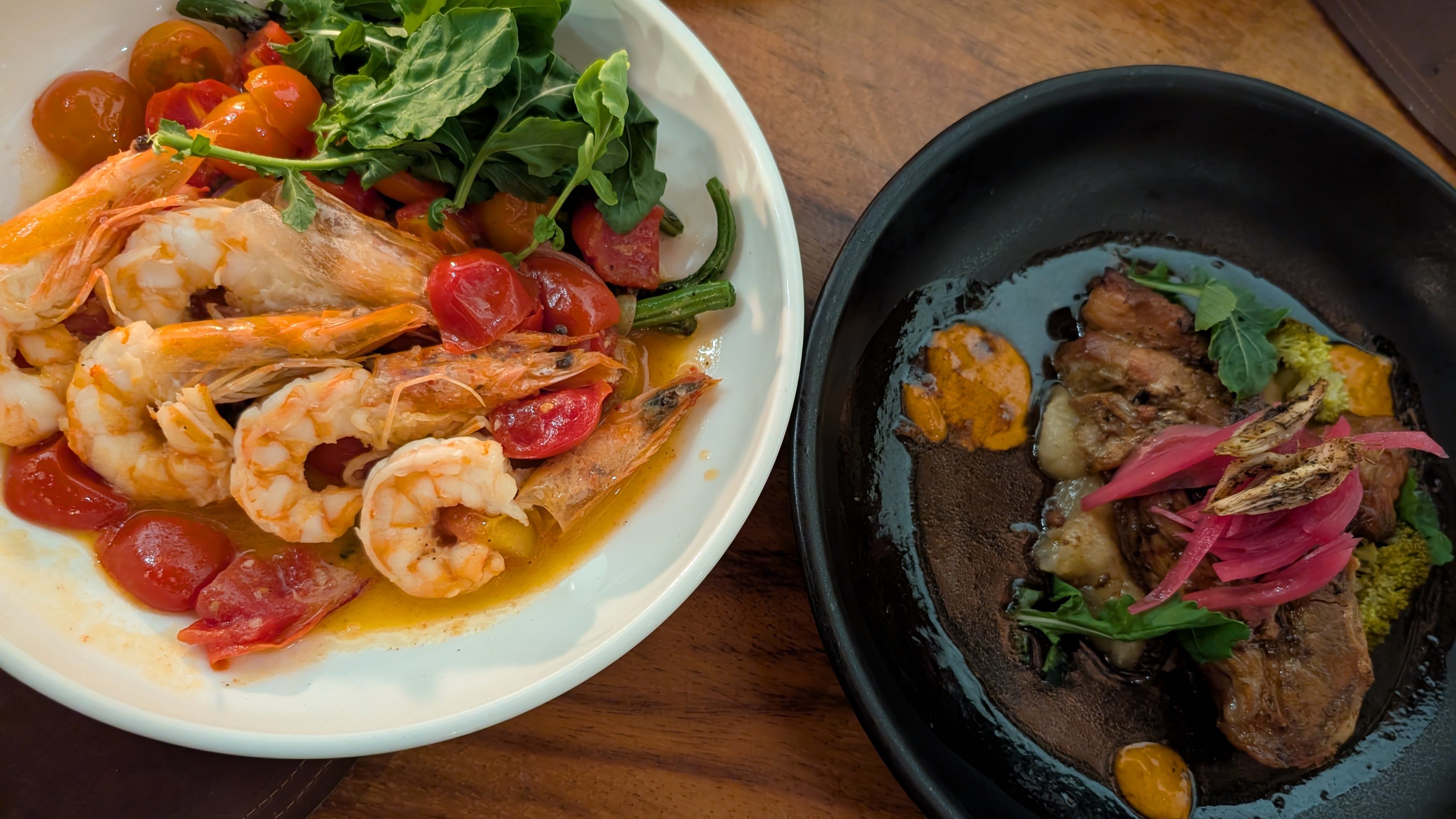
Antiguan cuisine reflects the blending of Spanish and Mayan cultures, characterized by thick, complex sauces known as recados, which use toasted seeds, chili peppers, and roasted vegetables as bases. The most famous local dish is Pepián, a rich stew containing chicken, beef, or pork simmered in a spiced sauce of pumpkin seeds, sesame seeds, and tomatoes.
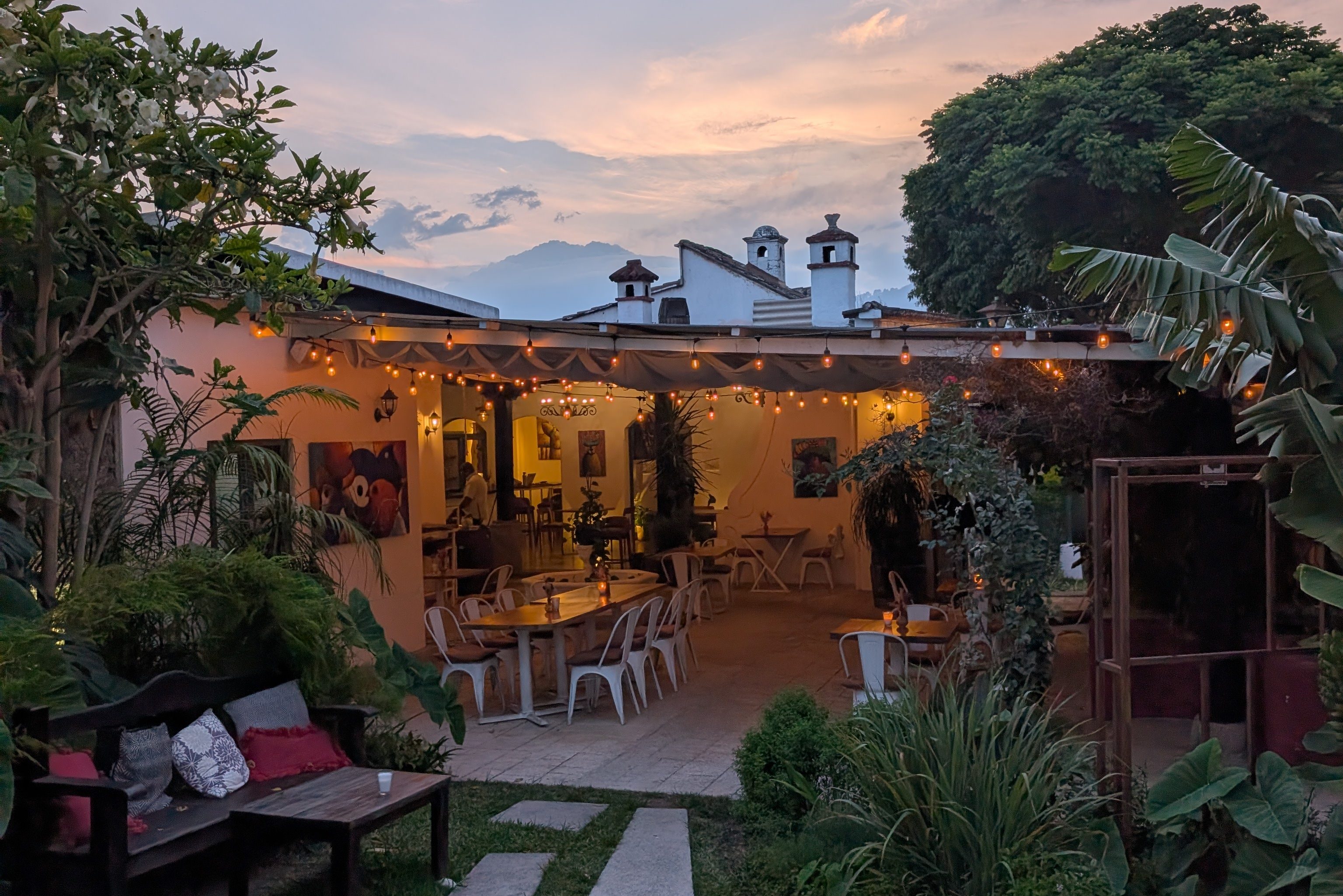
The city’s dining options span from street food vendors outside the Iglesia de la Merced—serving sweet plantains, corn tamales, and warm atole—to upscale restaurants hidden behind inconspicuous wooden doors. International culinary influences are widely integrated, drawing global chefs who create fusion menus utilizing local, organic ingredients from the surrounding volcanic hills.
Future Expeditions: Volcano Trekking
While Antigua’s urban center offers plenty of sights, the surrounding landscape invites more adventurous exploration. The valley is ringed by three volcanoes: Agua, Fuego, and Acatenango. For a future return trip, scaling these peaks is the logical next step.
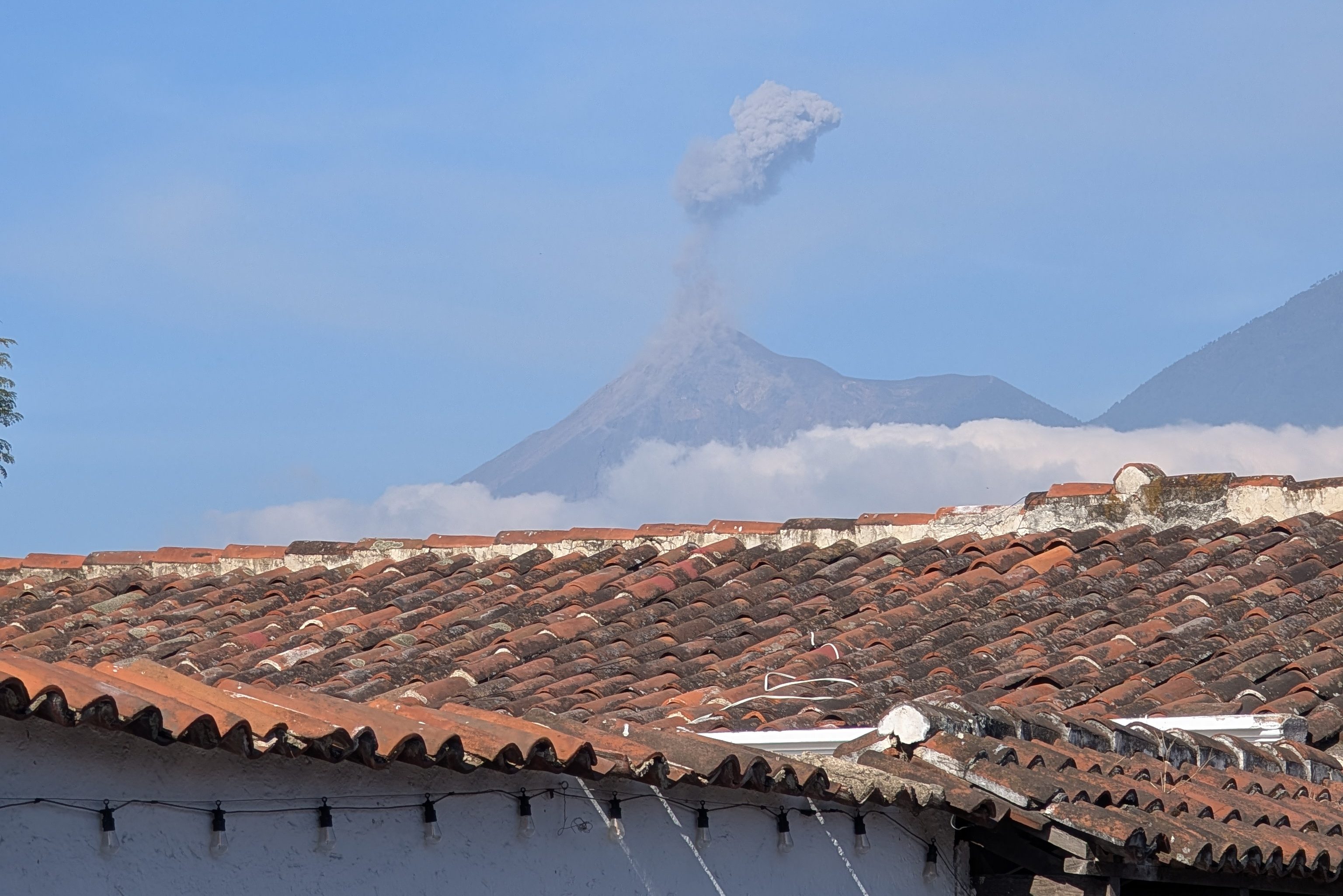
For a demanding but manageable day trek, Pacaya Volcano provides an accessible option. Located an hour outside the city, this active volcano offers a steady hike across fields of dried black lava. Steam vents heat the volcanic rock enough to roast marshmallows, providing an up-close look at active geothermal forces without requiring an overnight commitment.
The ultimate regional excursion is the challenging overnight trek up Acatenango Volcano. Hikers ascend through agricultural fields, cloud forests, and alpine terrain to reach a high-altitude base camp. From there, you look directly across a steep valley at the neighboring Volcán de Fuego, one of the world’s most consistently active volcanoes. As night falls, you can watch Fuego release glowing fountains of lava against the dark sky, accompanied by deep rumbles that shake the ground. Watching these eruptions from a tent on the ridge of Acatenango remains one of the premier adventure travel experiences in the Americas.
Ready to Design Your Antigua Itinerary? If the historic streets, world-class coffee, and volcanic vistas of Antigua Guatemala belong on your travel calendar, reach out to LazGo to handle the logistical framework, private transfers, and premier bookings for your journey.


Leave a Reply