
Current global travel prices are higher than they have been in recent memory, turning what should be an exciting planning process into a source of stress. Faced with soaring airfares and inflated hotel rates, many people are either putting off their travel plans entirely or exhausting their entire budget just to secure flights and a room. As a result, they arrive at their destination with little financial flexibility left to enjoy the unique activities, local dining, and immersive experiences that make a trip special in the first place.
Maximizing every dollar to preserve these special moments requires a significant amount of research, and most travelers simply do not have the time or energy after a long work week to go the extra mile and ensure their budget stretches as far as possible.
To help navigate this landscape, this guide bypasses abstract budgeting philosophy and focuses on concrete tactics to reduce core logistics expenses, ensuring plenty of resources remain for the actual journey.
Rebuilding the Destination List
Overcoming high baseline costs requires looking past traditional, hyper-commercialized tourist hubs where demand drives prices to extremes. When a destination becomes a viral trend, the local tourism infrastructure often reacts by raising prices across the board. Instead, focus on specific regional alternatives or similar lesser-known destinations where your money goes further. As a side note, many of these alternatives are actually safer for tourists (though obviously this isn’t a hard rule), as most thieves and pickpockets smartly focus on the crowded destinations.
Geographic Swaps
Rather than booking a trip to heavily trafficked destinations like Germany or Costa Rica, look at countries that offer comparable cultural or environmental landscapes at a lower cost. These are destinations that share similar geography, climates, or history, but lack the historical access and centrality that’s led to today’s inflated prices.
- Eastern Europe vs. Western Europe: Consider Romania instead of Germany or Austria. Romania provides incredible alpine hiking in the Carpathian Mountains, deep medieval history, well-preserved castles, and vibrant cities like Brașov or Sibiu for a fraction of the cost of Western Europe. Rail travel, dining, and entrance fees to historical landmarks remain highly affordable, allowing you to experience old-world European charm without the premium price tag.
- Alternative Central America: In Central America, consider El Salvador instead of Costa Rica. El Salvador delivers exceptional surfing along the Pacific coast (like El Tunco), volcanic trail hiking, coffee plantation tours, and pristine beaches without the heavy tourism found in more famous neighboring countries. Daily expenses for local transportation, seafood, and guided outdoor excursions are remarkably low, leaving your budget intact for adventure activities.
High-Value Strongholds


If a major, recognizable cultural city remains the goal, target destinations where the local cost of living favors incoming travelers. These cities offer world-class infrastructure and cultural depth but operate on an economic scale that maximizes foreign purchasing power.
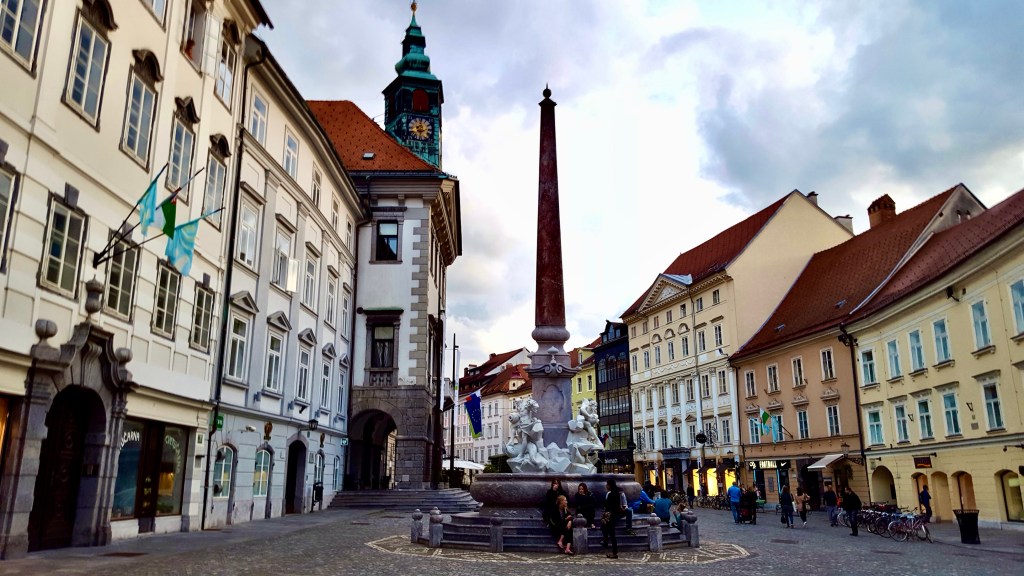
- Prague, Czech Republic: While Western European capitals have seen astronomical increases in hospitality costs, Prague remains an incredibly high-value cultural stronghold. You can experience world-class classical music, architecture, expansive castles, and legendary breweries while keeping daily expenses for food, entertainment, and transit remarkably low.
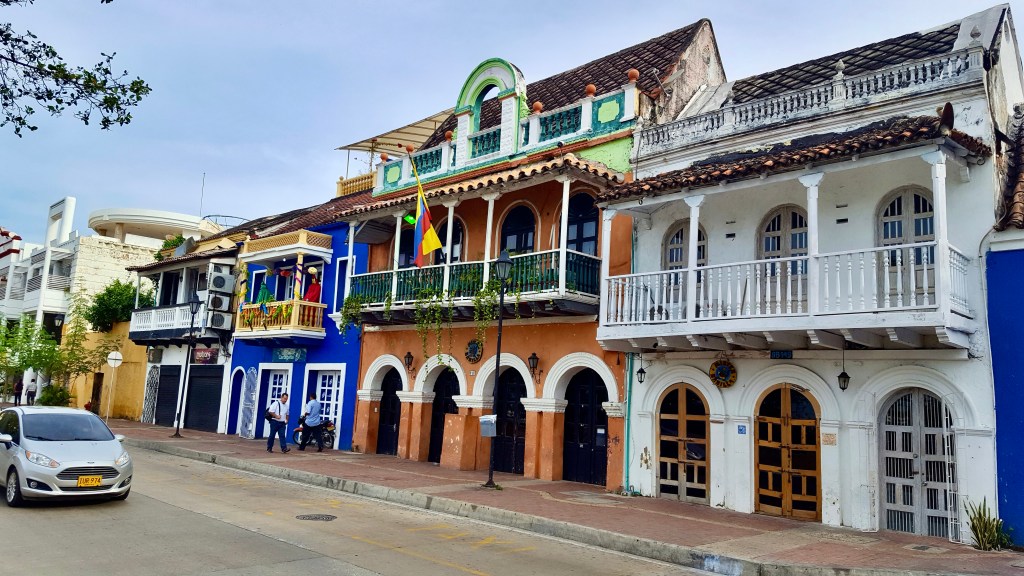
- Cartagena, Colombia: For a vibrant coastal escape, Cartagena offers a rich culinary scene, colonial architecture, and Caribbean energy. Because the local economy keeps dining, street food, and regional boat excursions highly affordable, your dollars stretch much further here than they would in more standard Caribbean resort islands, and to reiterate, it’s safer than most major Central or South American resort areas.
Flights: Simple Algorithmic Tracking and Calculated Comfort
Airfare is often the most rigid expense of international travel, but there are a few tricks that can help you snag the best deals and major savings. Managing airline expenses is no longer about finding a magic day of the week to buy a ticket (sorry, Tuesday); it requires understanding how airline pricing algorithms operate and modifying your destination and comfort choices accordingly.
Deal-Driven Destination Selection
Flight prices fluctuate constantly based on complex airline algorithms that react to real-time capacity and popularity. The traditional method of picking a destination first and then trying to find a cheap flight frequently results in paying peak market rates.
By reversing this process—tracking flight prices across a variety of regions and remaining flexible on the final destination—travelers can let active promotions dictate where they go, ultimately saving big while still traveling to an amazing location. Using general city or region destinations in your flight searches (such as “Southern Europe” or “Southeast Asia”) rather than specific airport pairs and setting price alerts allows you to find and jump on sudden, unannounced price drops. Choosing a destination based on active flight deals opens up incredible global experiences that might not have otherwise been on your radar, immediately cutting your largest fixed cost by hundreds, or even thousands, of dollars.

Segmented Comfort Upgrades
Long-haul international flights in standard economy can be physically taxing, leading many travelers to look at business class tickets. However, jumping all the way to a premium business cabin adds thousands of dollars to a bill, often absorbing the entire budget that would have been spent on the actual vacation.
A practical, cost-effective alternative is paying a few hundred dollars specifically for exit rows, bulkhead seats, or designated premium-legroom sections within the main cabin. This approach solves the core physical challenge of the flight—having the necessary legroom and physical space to arrive rested—without depleting your travel fund. You may not be traveling in luxury, but by unbundling the upgrade and paying strictly for physical space rather than luxury catering or lounge access, you keep your resources available for the experiences that occur once the plane lands. On occasion, you can also purchase discounted upgrades closer to the day of the flight or bid on more reasonably priced upgrades, depending on the airline.
Hotels: Know Your Preferences to Make the Perfect Choice
Lodging can be easily optimized by matching the accommodation type to how your time will actually be spent. Paying for extensive amenities that you won’t use is an unnecessary drain on resources. Before booking, consider the daily flow of your itinerary to determine what role the hotel actually plays in your journey. Won’t use the spa? Don’t book the hotel with a specific focus on wellness! Won’t eat breakfast at the hotel? Don’t prioritize that breakfast buffet.
Understanding your personal travel schedule and habits helps categorize choices efficiently. Here’s a quick cheat sheet to get you started:
| Travel Priority | Tactical Lodging Strategy | Financial Outcome |
| High-End Luxury | Seek out premium, boutique properties situated just outside major urban centers or in adjacent historic towns. | Enjoys top-tier service, historic architecture, and luxury amenities without paying the premium real estate markup of a downtown core. These will often have shuttles to the city center anyways. |
| Urban Exploration | Select clean, basic accommodations centered on a comfortable bed, reliable Wi-Fi, and a private bathroom right in the heart of the city. | Minimizes nightly hotel costs and eliminates daily transit expenses by keeping sightseeing entirely walkable. |
| Resort Interludes | Prioritize dedicated beach, spa, or sports-focused resorts where the exact geographic location is secondary to the quality of the on-site facilities. | Capitalizes on excellent global values, as premium properties in emerging regions offer world-class amenities at lower base rates. |

Activities: Elevating Self-Guided Excursions
While fully guided tours offer amazing insight into the history and culture of a city, relying on them too much quickly inflates the cost of a trip. Shifting to independent exploration – or picking the few priority activities to invest in – allows you to discover the wonders of your destination at your own pace while also saving funds for that special dinner or special cultural experience. With the abundance of high-quality information available online today, you can be a well-prepared independent traveler and achieve an incredibly rich educational experience completely on your own terms.
Pre-Trip Mapping and Curation
Spending time before departure to map out specific points of interest and printing or saving comprehensive background summaries, architectural overviews, or historical timelines makes self-guided touring highly effective.
Instead of wandering aimlessly through a historic quarter or landmark district, take an hour during the planning phase to research the exact context of the sites. Walking through these spaces with prepared notes, specific neighborhood walking routes, and historical context provides excellent depth without the high cost or rigid timeline of a private guide. You can spend forty minutes studying a single architectural detail or breeze past sections that do not interest you, keeping total control over your schedule and your wallet. Don’t have the time? I’m here to help.
Leveraging Built-In Audio Infrastructure
A significant number of prominent museums, archaeological sites, and cultural landmarks around the world have heavily invested in educational resources. Many offer high-quality, professional audio tours right with the price of admission, or make them available via a free downloadable smartphone app.
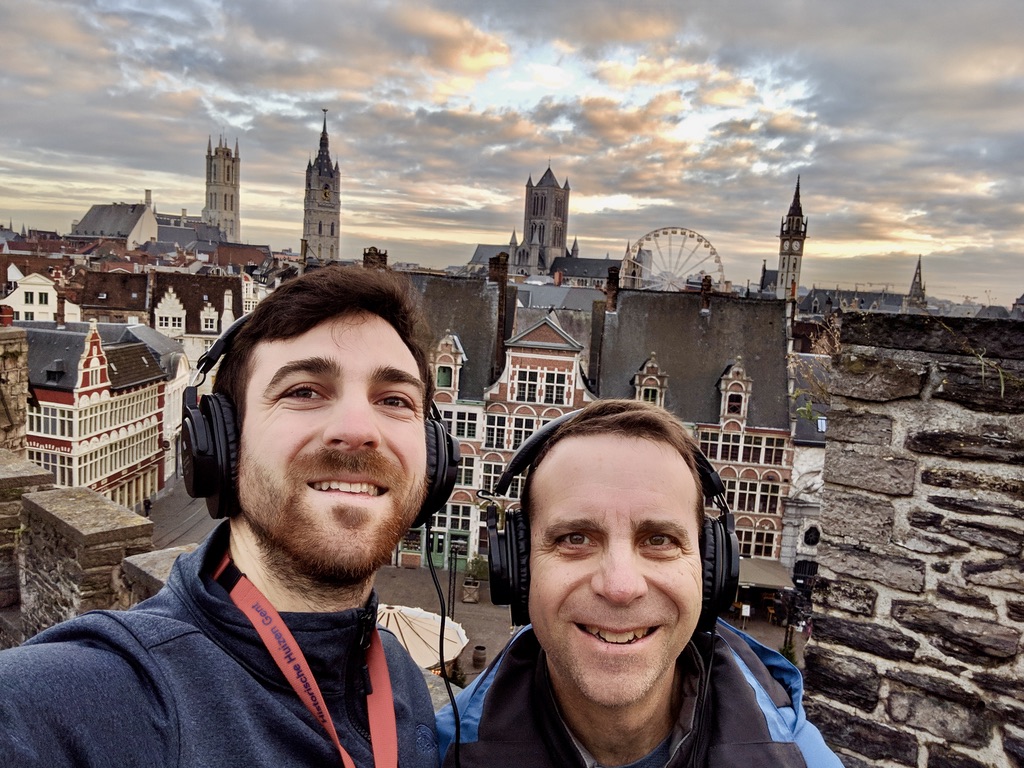
These audio programs are frequently written by top curators and historians, offering multi-language commentary, interactive maps, and deep dives into specific exhibits. You can usually easily check online to see if the museum or venue you’re visiting includes a resource like this beforehand to make sure you don’t pay extra for a guide that merely duplicates the exact same information. Relying on a site’s official audio infrastructure allows you to absorb expert commentary at a fraction of the cost of a live tour.
The Efficiency of Planning with LazGo
Executing these tactics— monitoring airfare with notifications, vetting alternative destinations, and mapping out independent daily itineraries—requires hours of diligence that busy professionals rarely have time to spare. Partnering with a dedicated travel advisor removes the logistical burden entirely while maximizing the return on your travel investment.
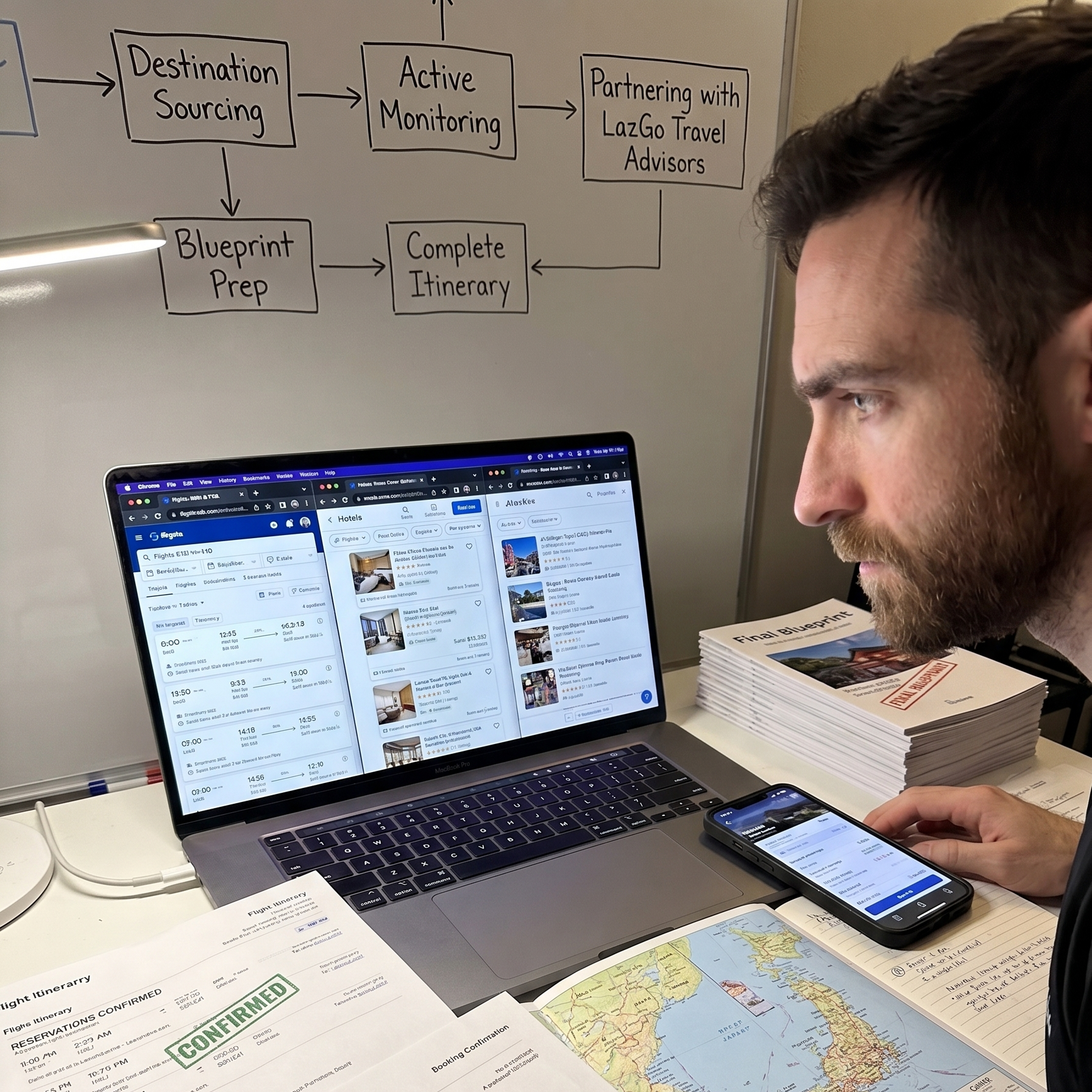
Working with LazGo streamlines the process through direct, practical support:
- Tailored Destination Sourcing: Finding the right spot shouldn’t require digging into savings. You share your vision and budget, and I source curated destinations that fit your goals perfectly, whether it’s a 2-week multi-stop journey or a quick weekend escape.
- Active Airfare Monitoring: Flight tracking is entirely handled for you. Prices are monitored continuously to strike at the right moment, pouncing when the fare drops or an unexpected deal emerges. Once the route is locked, the booking is taken care of.
- Exclusive Rates and Vetted Lodging: Through LazGo, you gain access to preferred hotel rates and built-in amenities hidden from standard booking sites. Every property is vetted to ensure it meets strict standards for comfort, design, and overall value.
- Complete Blueprinting: The hours of deep research needed for a flawless itinerary are off your plate. You receive highly detailed, custom guides and mapped recommendations



Leave a Reply