
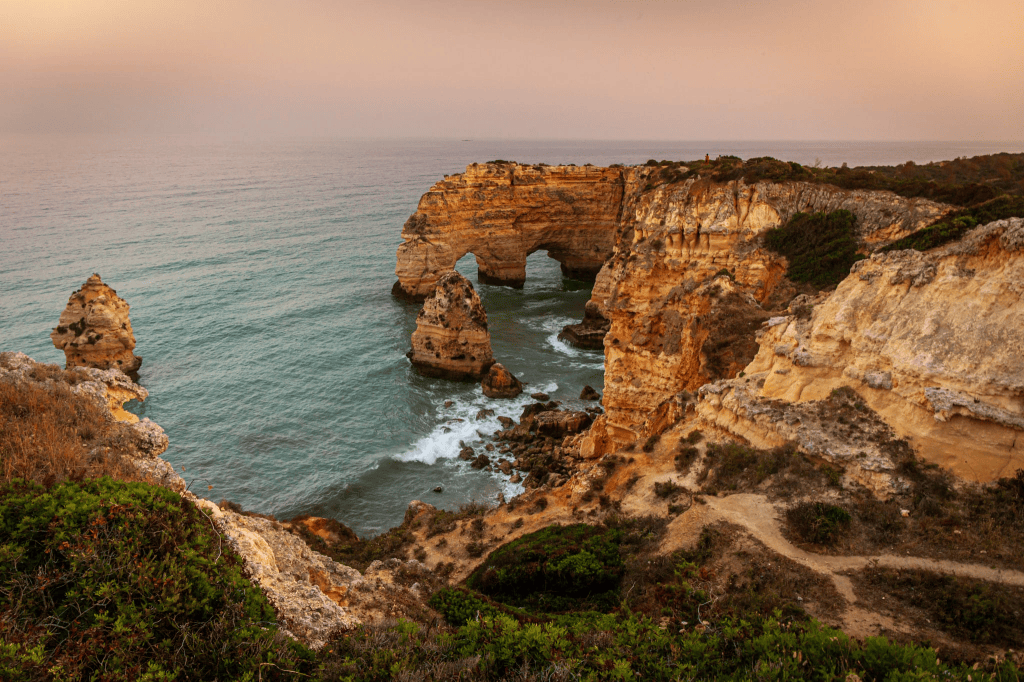
Portugal’s southernmost region is a dramatic meeting of golden limestone and the open Atlantic. Blessed with more than 300 days of sunshine a year, the Algarve balances its identity between ancient Moorish heritage, centuries-old maritime traditions, and some of the most striking coastal topography in Europe. Here, sculpted sea arches and turquoise grottos shelter intimate sandy coves, while whitewashed fishing villages and inland citrus groves provide a slower, traditional rhythm of life.
The region has a way of staying with you long after you leave. When I first visited years ago, the sheer contrast of ochre cliffs plunging into the crashing surf left an indelible mark. Returning to map out new routes has shown me that the Algarve has so much more to offer beyond standard resort vacations. From the wild, wind-whipped Atlantic breakers of the west to the tranquil barrier islands of the east, digging into the local markets, coastal trails, and boutique quintas reveals a destination that rewards deep, thoughtful exploration.
Primary Regions and Towns
The Algarve stretches roughly 100 miles from east to west, divided into three distinct zones that each cater to very different travel styles:
- The Western Algarve (Lagos and Sagres): Centered around the historic maritime town of Lagos, this area combines 16th-century city walls, cobbled plazas, and jaw-dropping cliff formations like Ponta da Piedade. Further west lies Sagres and Cape St. Vincent, historically known as the end of the known world. It’s a rugged, windswept outpost famous for its dramatic sea cliffs, historic fortress, and world-class surfing breaks.
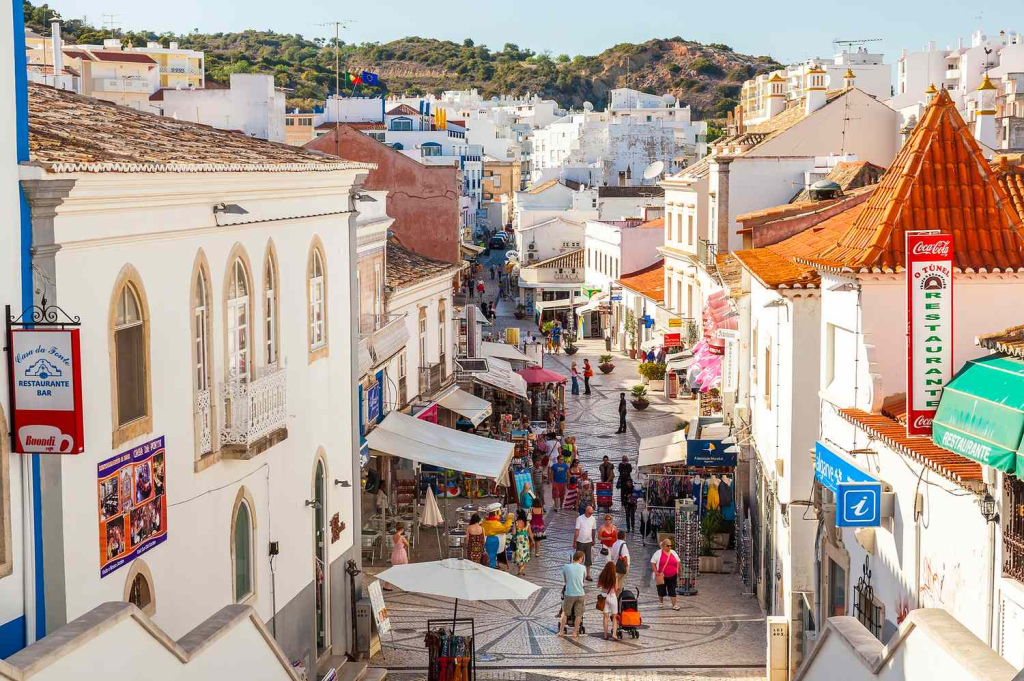
- The Central Coast (Albufeira, Portimão, and Carvoeiro): This is the bustling heart of the region’s resort and beach scene. While Albufeira is known for its energetic nightlife and high-density tourism, nearby villages like Carvoeiro offer a picturesque collection of whitewashed cottages perched above sandy coves. Portimão serves as a major harbor hub, celebrated for its riverside sardine grills and easy access to Praia da Rocha.
- The Eastern Algarve (Faro, Olhão, and Tavira): Operating at a much gentler pace, the east is defined by historic preservation and the shallow lagoons of the Ria Formosa. Faro, the regional capital, features an atmospheric walled old town. Olhão is a hardworking fishing port with striking Moorish-style cubic architecture and a bustling waterfront market. Tavira, often called the most charming town in the region, is filled with Roman bridges, Renaissance churches, and quiet riverside cafes.
Premier Sites and Outdoor Activities
Whether you’re exploring by boat, foot, or surfboard, the Algarve’s outdoor landscape offers endless variety across the seasons:
- The Seven Hanging Valleys Trail: Spanning roughly 3.5 miles along the central clifftops from Praia da Marinha to Praia de Vale Centeanes, this is one of Europe’s premier day hikes. You’ll traverse coastal headlands, natural limestone arches, and deep sinkholes that look directly into sea caves below.
- Sea Cave and Grotto Tours: Exploring the coastline by boat or kayak is essential to see formations that can’t be reached by land. Small-craft boat tours departing from Portimão or Lagos take you deep inside marine cathedrals like the Benagil Cave, navigating narrow rock channels and hidden interior beaches.
- Ria Formosa Natural Park: This 37-mile network of barrier islands, tidal marshes, and salt pans is a haven for migratory birds like flamingos. Taking a traditional ferry or private catamaran out to the car-free sands of Ilha Deserta, Culatra, or Armona provides total coastal solitude.
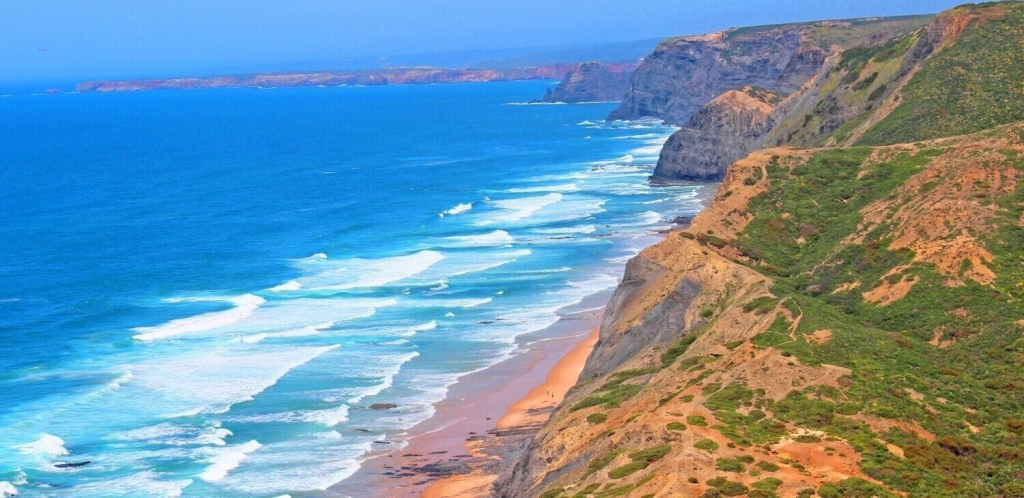
- Surfing the Costa Vicentina: The protected natural park along the western coast catches massive Atlantic swells year-round. Towns like Sagres and Aljezur are international surfing capitals, offering world-class breaks alongside dramatic, cliff-backed beaches like Praia do Amado and Praia da Bordeira.
The Food and Drink Scene
Algarvian cuisine is deeply connected to the ocean and the fertile inland orchards, relying on simple, high-integrity ingredients cooked over open coals or simmered in specialty cookware.
Signature Flavors and Dishes
- Cataplana de Marisco: The region’s signature dish is a rich seafood stew cooked in a hinged, clam-shaped copper pan called a cataplana. It steams clams, prawns, monkfish, and local chouriço sausage together with garlic, tomatoes, peppers, and fresh coriander. Casinha do Petisco in Lagos serves one of the most iconic versions in the region.
- Frango da Guia (Piri-Piri Chicken): In the small inland parish of Guia, small spatchcock chickens are marinated in garlic, olive oil, and fiery piri-piri chili sauce before being char-grilled over open coals. Restaurante Ramires and O Teodósio in Guia are legendary institutions that perfected this dish.
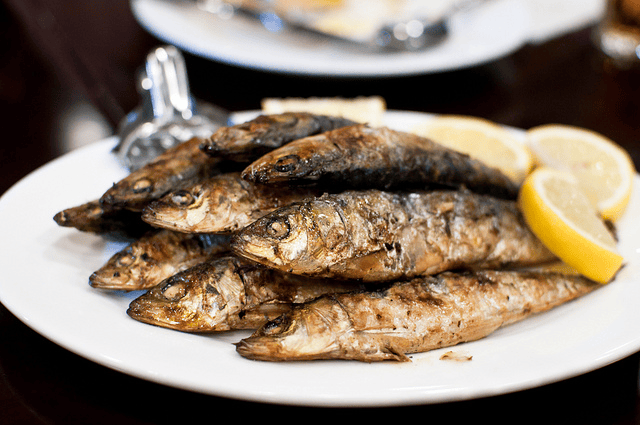
- Fresh Grilled Sardines and Percebes: In port towns like Portimão, fresh sardines (sardinhas assadas) are grilled over hot coals with sea salt and served on thick slices of sourdough bread. Along the west coast, look for percebes (goose barnacles), harvested straight off the wave-battered rocks and boiled in seawater.
- Regional Sweets: Local baking centers around almonds, figs, and carob. Look for Dom Rodrigo, a delicate sweet made of egg threads, cinnamon, and almonds, or Torta de Laranja, a rich citrus roll made with sweet Algarve oranges.
Wine and Spirits
While Portugal is famous for Douro reds and Vinho Verde, the Algarve is an emerging wine region with four distinct DOC zones (Lagos, Portimão, Lagoa, and Tavira). Crisp, mineral-driven whites and light rosés pair perfectly with seafood. After dinner, locals sip Aguardente de Medronho, a potent fruit brandy distilled from the wild berries of the strawberry tree in the Serra de Monchique mountains.
Traveler Safety, Budget, and Seasons
Safety and Logistics
Getting to the Algarve is straightforward. You can fly directly into Faro Airport (FAO), which connects to dozens of major European cities. Alternatively, if you’re arriving via Lisbon (LIS), it’s an easy 2.5-hour drive south along the A2 highway, or around three hours via the comfortable Alfa Pendular or Intercidades train lines down to Tunes or Faro.
Once you arrive, the region is exceptionally safe, ranking among the most secure holiday destinations in Europe. Petty crime like pickpocketing can occur in crowded summer markets or late-night party strips, but violent crime is virtually nonexistent. Renting a car at the airport or train station is the best way to get around, as regional buses don’t easily reach the more remote western surf coves, vineyard estates, and coastal hiking trailheads.
Budget Overview
Portugal remains one of Western Europe’s most affordable countries, though peak summer brings a premium.
- Low (Backpacker): $45–$70 USD/day (Hostel dorms, surf camps, casual tascas, public transit).
- Mid-Range: $120–$220 USD/day (Boutique guesthouses, rental cars, fresh seafood dinners, boat tours).
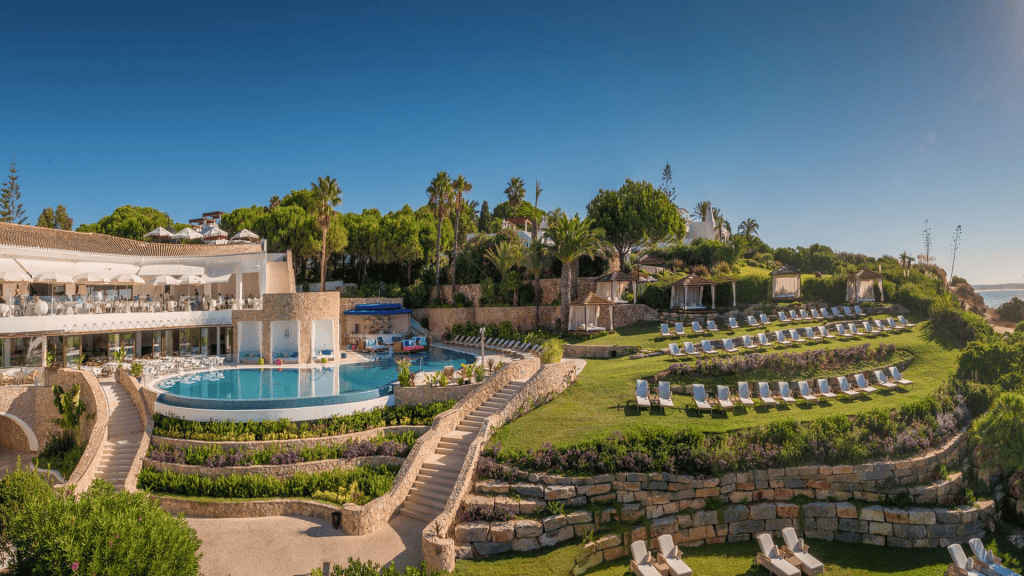
- Luxury: $450+ USD/day (Cliffside five-star resorts like Vila Vita Parc or Pine Cliffs, private yacht charters, Michelin-starred dining).
Travel Seasons
- High Season (July to August): Hot, dry weather and maximum energy. Beaches and resort towns are packed, and advance reservations for hotels and dining are mandatory.
- Shoulder Season (May to June, September to October): The sweet spot for travel. Ocean temperatures are pleasant, hiking trails are comfortable, and the crowds thin out significantly.
- Low Season (November to April): Mild, quiet, and sunny compared to northern Europe. While some coastal beach shacks close for winter, it’s the perfect time for golf, hiking, and exploring historic towns without the crowds.
Plan Your Algarve Escape
From dramatic golden cliffs and hidden sea caves to long, lazy lunches over steaming copper cataplanas, the Algarve offers an incredible variety of travel experiences. Tying together the wild energy of the western coast with the peaceful islands of the east takes thoughtful planning and local insight. Reach out to LazGo Travel today to take advantage of our curated partnerships and route expertise, and let’s build a customized Portuguese itinerary that fits your exact travel style.


Leave a Reply