
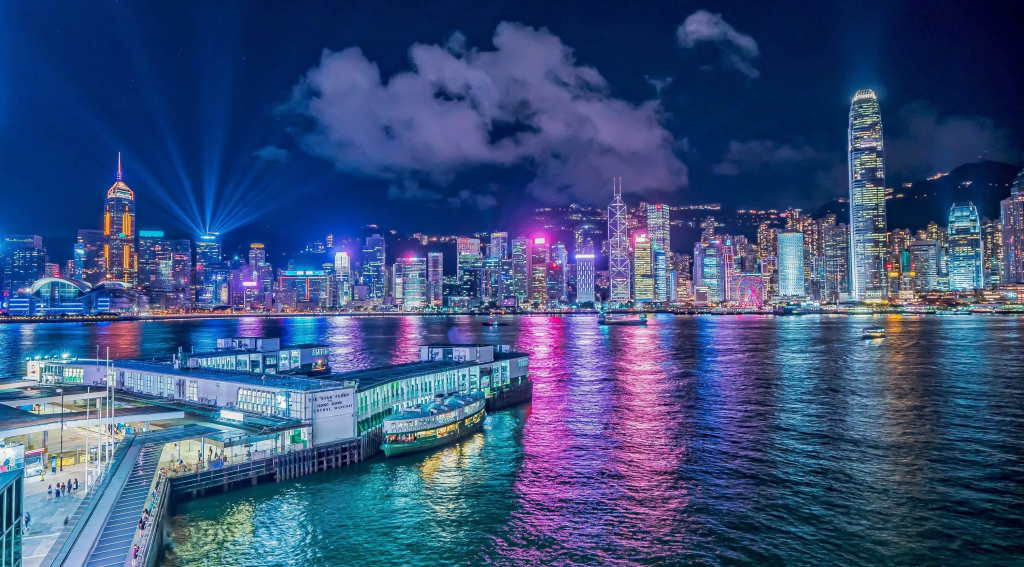
As a place I’ve sent clients, and a place I’m planning to visit soon, I figured I’d share a guide for Hong Kong with you all. Few global hubs match the kinetic density, geographical drama, and cultural layering of Hong Kong. Vertical granite towers rise directly against subtropical mountains, while century-old double-decker trams glide beneath neon signage and cantilevered glass skyscrapers. Earlier this year, a pair of my most well-traveled clients spent some time in the city at the tail end of their adventure around Asia. Upon returning, they noted that Hong Kong immediately ranked among their all-time favorite destinations worldwide, praising its unmatched energy, culinary depth, accessibility, and general sense of infinite wonder.
Whether you’re arriving for the first time or returning after years away, Hong Kong requires prior research and a bit of know-how to fully appreciate the sharp contrasts between its historic harborside districts, dense residential pockets, and rugged ridgelines.
The Urban Landscape: Hong Kong Island vs. Kowloon
Hong Kong’s core divides primarily across Victoria Harbour into two distinct territories, complemented by regional connectivity to Macau.
Hong Kong Island
Hong Kong Island is the financial and political heartbeat, defined by steep topography, colonial history, and concentrated luxury. Central holds towering financial headquarters, designer flagships, and the sprawling Central–Mid-Levels escalator network. As you head west into Sheung Wan, sleek corporate towers give way to narrow, climbing streets packed with traditional dried seafood and medicine shops, independent third-wave coffee roasters, art galleries, and antique stalls along Hollywood Road. Moving east takes you into Wan Chai, where historic tenements stand alongside modern wine bars, and Causeway Bay, a sensory shopping hub that stays packed well past midnight. On the quieter south side of the island, places like Repulse Bay and Shek O provide wide sandy beaches and relaxed seaside dining.
Kowloon
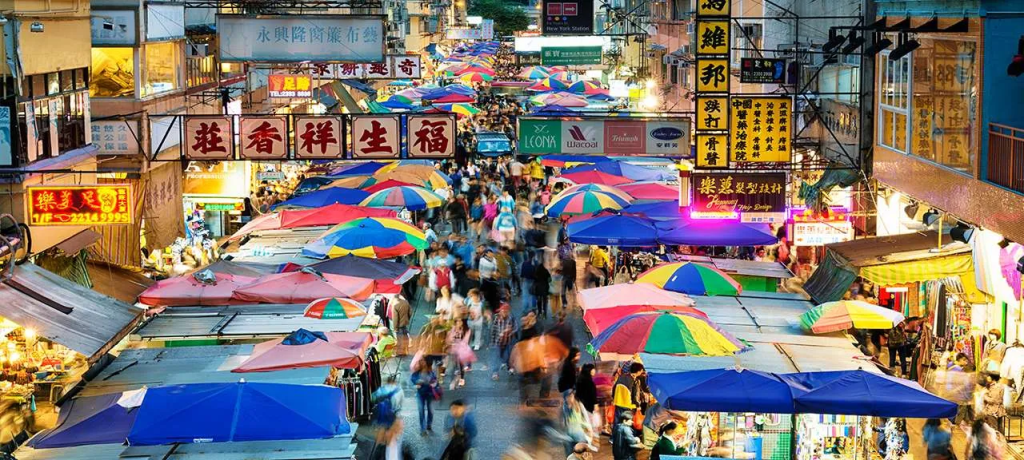
Across the water, Kowloon delivers a gritty, ground-level energy. Tsim Sha Tsui anchors the southern tip with unbeatable views of the Hong Kong Island skyline, housing world-class cultural spaces like the Hong Kong Museum of Art and K11 Musea alongside historic waterfront hotels. Heading north brings you into Mong Kok and Yau Ma Tei, among the most densely populated spots on earth. Here you’ll find buzzing open-air markets, sneaker alleys, herbal tea vendors, and the nightly buzz of the Temple Street Night Market. Further north, Sham Shui Po preserves an authentic, working-class charm packed with electronics alleys, textile shops, and beloved family-run food stalls.
Core City Sites and Outdoor Pursuits
A balanced Hong Kong itinerary pairs dense urban exploration with its extensive, protected natural terrain.
City Landmarks
- Victoria Peak and the Peak Tram: The historic funicular railway climbs 396 meters above sea level to deliver panoramic views of the harbour and surrounding islands. For the clearest vantage without commercial crowds, bypass the observation mall and walk the 3.5-kilometer paved Peak Circle Walk along Lugard Road.
- The Star Ferry: In operation since 1888, the short harbour crossing between Central or Wan Chai and Tsim Sha Tsui remains one of the best value transit experiences in the world, providing unobstructed views of the maritime corridor.
- Man Mo Temple: Built in 1847 on Hollywood Road, this atmospheric Taoist temple dedicated to the gods of literature and war features massive hanging incense coils and brass altars.
- M+ Museum & Hong Kong Palace Museum: Located in the West Kowloon Cultural District, M+ houses one of the world’s most significant collections of 20th- and 21st-century visual culture, while the adjacent Palace Museum exhibits imperial treasures on loan from Beijing.
Outdoor Escapes
More than 40 percent of Hong Kong’s landmass consists of designated country parks and nature reserves.
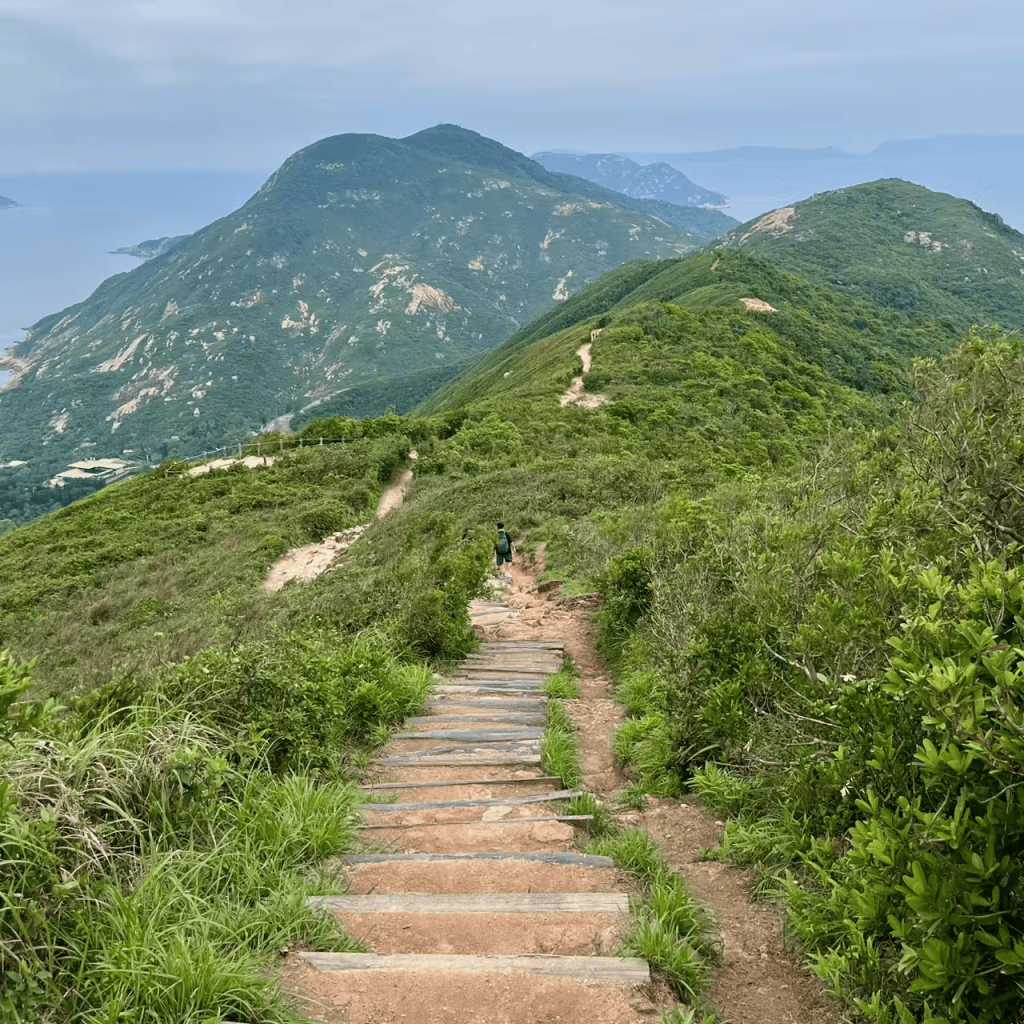
- Dragon’s Back Hike: Located on southeastern Hong Kong Island within Shek O Country Park, this ridge trail provides rolling coastal views over Tai Tam Bay and the South China Sea. The hike takes two to three hours to complete, ending directly at Big Wave Bay where you can watch local surfers and grab fresh seafood.
- Lion Rock Peak: For hikers seeking a steep vertical challenge and iconic city views, the trail up Lion Rock in Kowloon looks down directly onto the dense grid of Kowloon and the harbour beyond.
- Lantau Peak and Ngong Ping: Home to the Tian Tan Big Buddha and Po Lin Monastery, Lantau Island features steep mountainous terrain accessible via the Ngong Ping 360 cable car or challenging ridge trails.
Cuisine and Nightlife
Hong Kong stands as one of the culinary capitals of the world, operating seamlessly across informal street stalls and multi-starred fine dining rooms.
Dining Traditions
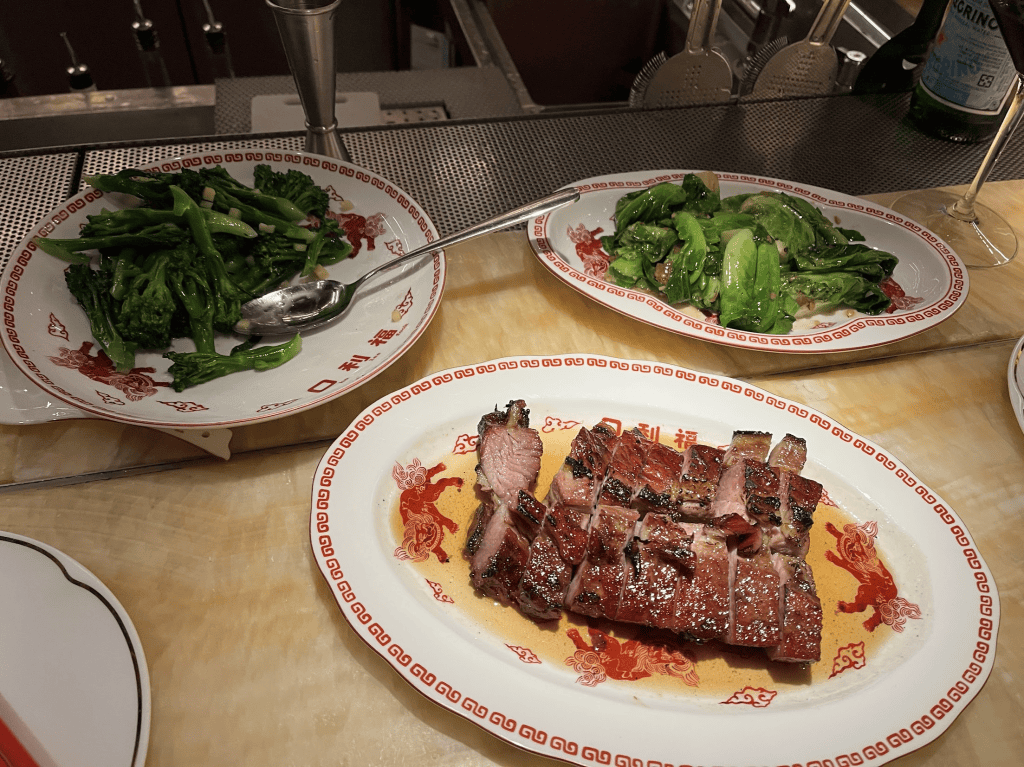
Hong Kong is easily one of the greatest food cities in the world, operating at every level from simple counter service to multi-course tasting menus. The morning ritual of yum cha, sharing tea and dim sum with friends, ranges from bustling traditional trolley halls like Lin Heung Tea House and Maxim’s Palace to high-precision dim sum spots like Seventh Son. On the streets, open-air dai pai dong stalls cook up wok-tossed beef with wide rice noodles and spicy clams, while classic roast meat shops hang glistening roast goose, char siu pork, and crisp pork belly in their windows. For fine dining, you’ll find an incredible concentration of Michelin-starred Cantonese institutions like The Chairman and Lung King Heen alongside boundary-pushing French and Japanese kitchens.
Cocktail Culture
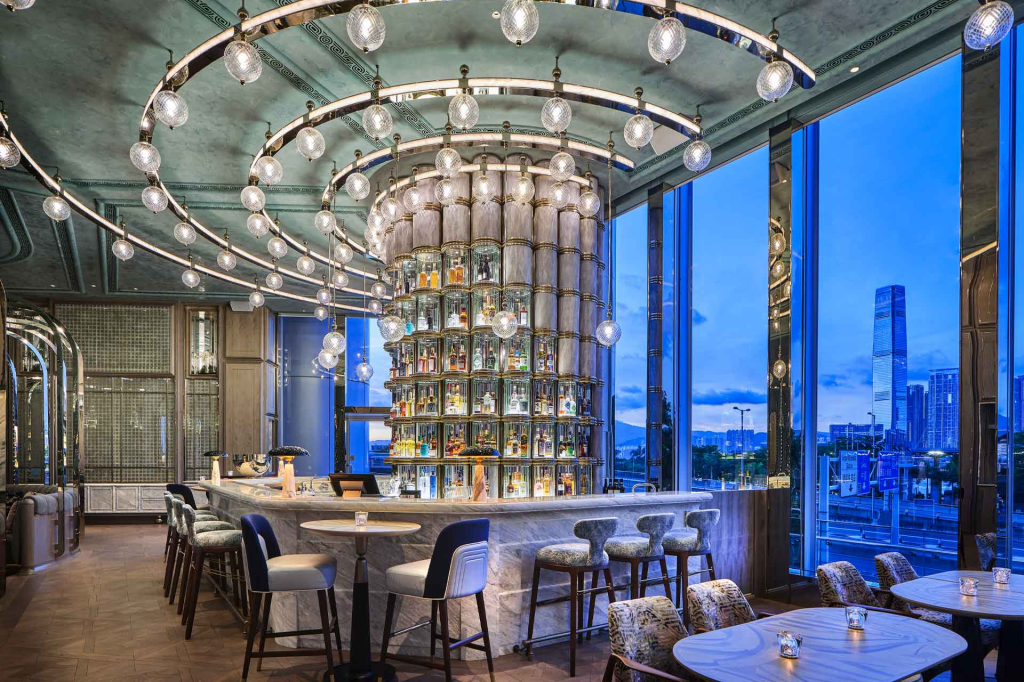
The city’s cocktail culture is just as impressive, consistently dominating international rankings with several venues on the World’s 50 Best Bars list. In Central, Bar Leone delivers masterfully crafted classic Italian cocktails and mortadella sandwiches with neighborhood warmth. Coa is an internationally celebrated temple for artisanal mezcal and tequila, staffed by passionate agave experts. Inside the Four Seasons, Argo serves innovative cocktails featuring rare botanicals and custom spirits against panoramic harbour backdrops. Other standout spots include The Diplomat for late-night classics and DarkSide at the Rosewood for vintage spirits and live jazz.
Transit Logistics
Hong Kong operates what is widely regarded as the most seamless, clean, and reliable public transit infrastructure on the planet.
- Octopus Card: Upon landing at Hong Kong International Airport, purchase an Octopus Card or download the digital version to your mobile wallet. This contactless smart card pays for all transit modes like the MTR, buses, trams, and ferries, and it works for micro-transactions at convenience stores, bakeries, and pharmacies.
- MTR (Mass Transit Railway): The underground and overground rail network is fast, spotless, air-conditioned, and bilingual, connecting nearly every major neighborhood with sub-three-minute headways during peak hours.
- Hong Kong Trams (“Ding Ding”): Operating exclusively along the north corridor of Hong Kong Island since 1904, these narrow double-decker trams cost less than $0.50 per ride and offer a scenic, slow-paced view of street life.
- Ferries: Beyond the Star Ferry, the Central Ferry Piers provide scheduled passenger services to outlying islands including Lamma, Cheung Chau, and Lantau.
Essential Day Trips
1. Macau
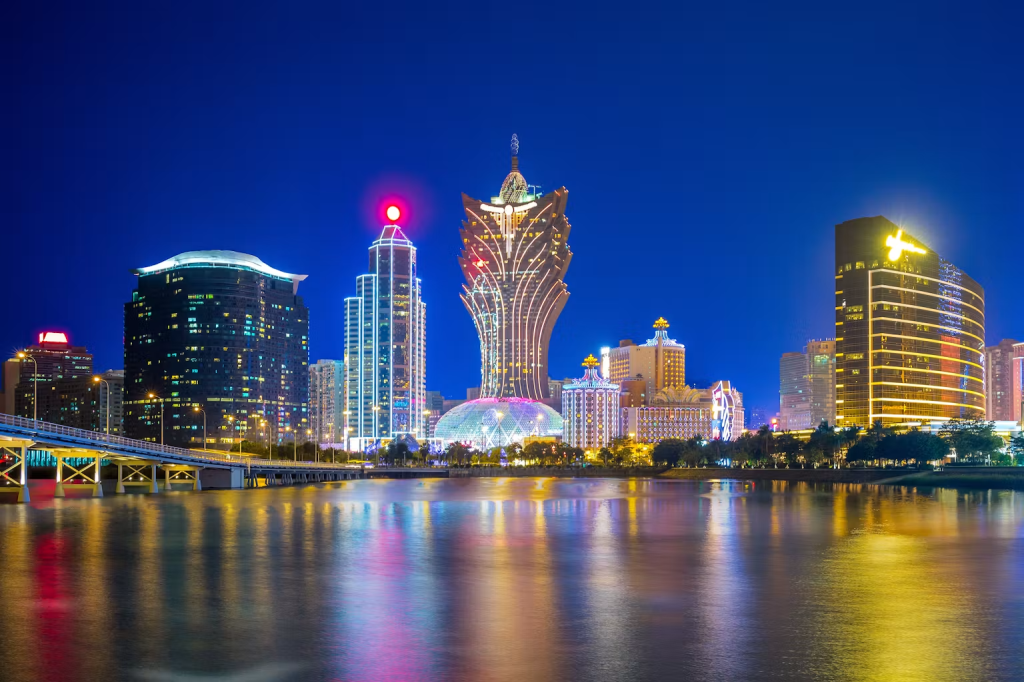
Located roughly 40 miles west across the Pearl River Delta, Macau is reachable in 55 minutes via high-speed catamaran ferry or via the Hong Kong-Zhuhai-Macau Bridge. As a former Portuguese territory until 1999, Macau features a distinct blend of Mediterranean and Cantonese architecture. The Historic Centre of Macau, including the Ruins of St. Paul’s, Senado Square, and A-Ma Temple, is a UNESCO World Heritage site paved with traditional Portuguese stone mosaics.
- Macau vs. Las Vegas: While frequently labeled the “Vegas of the East,” Macau generates far greater gaming revenue, focused primarily on high-stakes baccarat rather than casual table games or sportsbooks. Visually, the Cotai Strip mirrors Vegas with massive integrated casino resorts like The Venetian, The Londoner, and Wynn Palace. However, Macau’s true differentiator lies in its historical contrast. Just five minutes away from the glittering casino floors sit 400-year-old fortresses, quiet pastel-hued alleyways, and authentic Macanese restaurants serving African chicken, minchi, and warm Portuguese egg tarts.
2. Sai Kung Peninsula
Known as the “back garden of Hong Kong,” Sai Kung in the eastern New Territories features pristine coastal geology, secluded white-sand beaches like Tai Long Wan, and volcanic rock columns within the Hong Kong UNESCO Global Geopark. You can charter private sampans from Sai Kung Town Pier, hike coastal trails, and enjoy fresh seafood selected live from tanks along the waterfront.
Where to Stay: Three Top-Tier Properties
| Hotel | Category / Price Tier | Key Features |
| Rosewood Hong Kong | Ultra-Luxury | With a prime location in Victoria Dockside along the Tsim Sha Tsui waterfront, the Rosewood sets the standard for contemporary luxury in Asia. The property features cavernous marble-clad suites, butler service, a sprawling wellness facility, and panoramic views of the skyline across the water. |
| Regent Hong Kong | Upper-Upscale Luxury | Positioned directly on the edge of Victoria Harbour, also in Tsim Sha Tsui, this landmark property was reimagined into a serene haven. The rooms feature spa-style bathrooms with deep soaking tubs, windowfront daybeds, and unmatched views of the Hong Kong Island skyline, alongside acclaimed dining at Lai Ching Heen and The Steak House. |
| The Fleming | Boutique / Moderate | Situated in vibrant Wan Chai, The Fleming offers an authentic boutique experience inspired by Hong Kong’s maritime heritage. With brass fixtures, green leather finishes, and thoughtful layouts, it provides exceptional character, neighborhood immersion, and an outstanding ground-floor coastal Italian restaurant, Osteria Marzia. |
Flight Access from the United States
Getting to Hong Kong from the US is convenient and well-connected. Cathay Pacific runs frequent non-stop flights to Hong Kong International Airport from key gateways including New York, Los Angeles, San Francisco, Chicago, and Boston, while United Airlines also operates non-stop routes from the West Coast.
Round-trip economy tickets typically price between $900 and $1,400, premium economy usually falls between $1,800 and $2,600, and long-haul business class fares generally run from $4,500 to $7,500. Thanks to the high volume of daily flights and robust seat capacity compared to destinations like Tokyo or Singapore, travelers can often find competitive cash promotions and excellent award seat availability throughout the year, along with the occasional flight sale (follow @LazGoTravel on Instagram or Facebook to never miss a sale like this).
Plan Your Journey with LazGo Travel
From securing exclusive preferred partner amenities and room upgrades at premier hotels to curating reservations at high-demand dining tables and organizing private architectural or hiking tours, LazGo Travel builds seamless itineraries tailored to your travel style. Reach out today to begin planning your custom Hong Kong journey.


Leave a Reply