

When you hear the word “snowbird,” what comes to mind? Probably a retired couple packing up their car every November and heading down to the same Florida condo they’ve been visiting for the past 30 years. They’ve got their favorite restaurants, their weekly golf games, and a whole community of fellow snowbirds who make the annual migration south.
Nothing wrong with that, of course. But who says you have to wait until retirement to escape winter?
With remote work more common than ever and short-term rental properties available just about everywhere, snowbirding has become an option for a much wider group of people. You don’t need to own a second home, commit to three months away, or even have a favorite destination picked out.
My wife and I decided to try it ourselves, trading a Chicago winter for six weeks in Texas. We started with a month in San Antonio, then enjoyed it enough to tack on another two weeks in Austin.

Along the way, we learned that planning an extended stay somewhere is a little different from planning a regular vacation, but it was genuinely an equally memorable experience for all the right reasons. Here’s what we’d recommend considering if you’re thinking about giving snowbirding a try.
1. Choosing Your Destination: More Than Just Warm Weather
Obviously, the goal is to escape the cold. But once you start looking beyond the usual Florida and Arizona destinations, there’s a whole world of possibilities.
Before getting too excited about renting a beachfront apartment in Thailand, though, there are a few things worth thinking through.
First, where can you actually work? If you’re working remotely, don’t assume that means you can work from anywhere. Some employers restrict which states employees can work from, and international remote work can introduce additional tax, visa, and company policy complications. Make sure you know your options before falling in love with a destination.
Next, what kind of environment do you want? A beach town might sound ideal for a weeklong vacation, but would you enjoy spending an entire month there? Are you the type who could happily spend afternoons relaxing by the water, or would you start getting restless after a few days? Maybe you’d prefer a city with different neighborhoods, restaurants, museums, and weekend excursions to explore.
There’s also the question of familiarity. Some people love the idea of returning to a place they already know and enjoy. Others see snowbirding as an opportunity to experience somewhere completely new. Neither approach is necessarily better.
And don’t overlook time zones. Working remotely from Bali sounds fantastic until you realize your 9 AM Chicago meeting would start at 11 PM in Bali. Depending on your job, that could get old pretty quickly.
Why We Chose San Antonio
Our decision came down to a few things. San Antonio was in the same time zone as Chicago, had considerably more appealing January weather, and was somewhere we could both work without any issues. We also had family there who we were excited to spend time with.

Plus, neither of us had really experienced San Antonio before. Technically, I’d visited when I was about five years old, but I wasn’t exactly exploring the culinary scene back then.
We’re also more city people than beach people when it comes to extended stays. We love being able to walk around different neighborhoods, try new restaurants, and find things to do when we’re not working. Sitting on a beach for a month probably would have driven us a little crazy.
San Antonio gave us a great combination of somewhere new to explore and somewhere familiar thanks to our family connections.
2. Finding the Right Accommodations
When you’re booking a hotel for a weekend, you can usually get away with prioritizing location, comfort, and price. When you’re booking somewhere to live for a month or longer, the criteria change considerably.
If you’re working remotely, where are you actually going to work?
A beautiful one-bedroom apartment with a great balcony might look perfect in the photos, but if two people are taking video calls all day, things could get uncomfortable pretty quickly. Ideally, you’ll have enough space for everyone to work without interrupting each other.
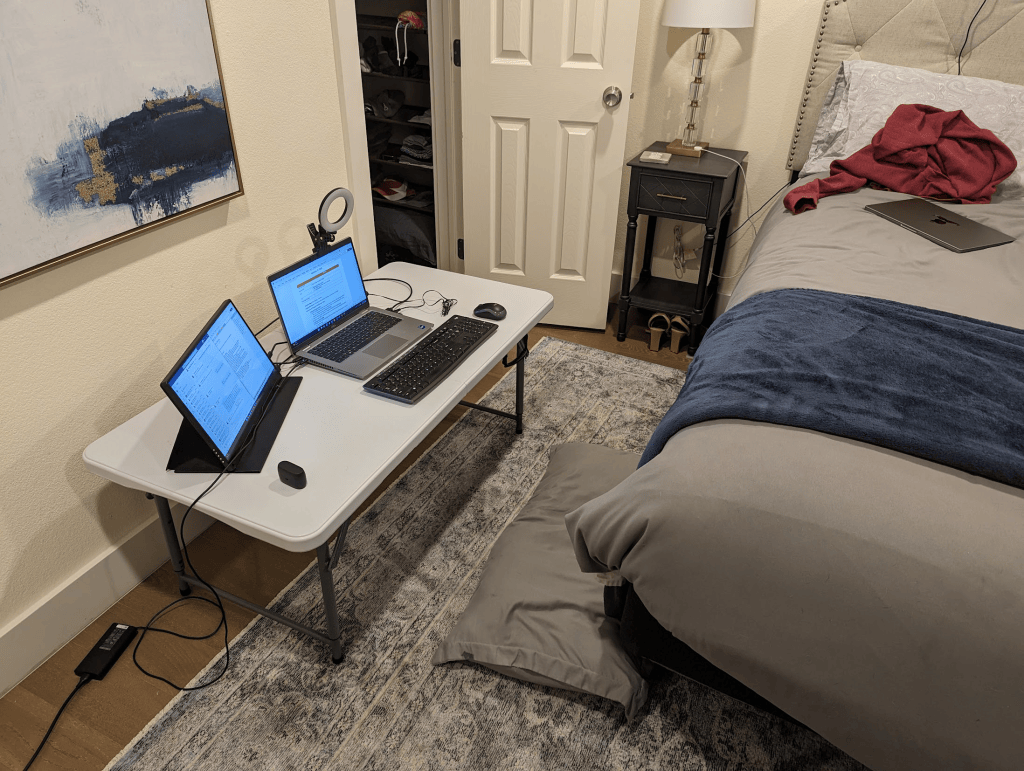
You’ll also want to think about the everyday logistics that aren’t always priorities on vacation. Is there a full kitchen? Laundry? Reliable Wi-Fi? A grocery store nearby?
And if you’re bringing children or pets, their needs become part of the equation, too.
What Worked for Us (and What Didn’t)
We brought our dog along, which added another layer to our lodging search. We wanted somewhere he could comfortably maintain his normal routine, with easy access to outdoor space and safe places to walk.
In San Antonio, we rented a two-bedroom house with a yard in a neighborhood that felt comfortable for daily dog walks. Having two bedrooms was especially helpful because we could both work without constantly getting in each other’s way.
When we extended our trip to Austin, we booked a first-floor apartment in a complex with a dog run. From the dog’s perspective, it was a great setup.
From a work perspective, though, the smaller apartment was a little more challenging. We made it work, but having experienced both setups, I’d definitely prioritize separate workspaces again for a longer stay.
It’s a good reminder that the perfect vacation rental isn’t necessarily the perfect snowbird rental.
3. Deciding How Long to Stay
How much winter are you trying to escape?
Are you looking for a couple of weeks somewhere warm to break up the season? A full month to see what extended travel feels like? Or are you ready to abandon your hometown for the entire winter?
If you’ve never done anything like this before, I think there’s a lot to be said for starting small. A month gives you enough time to settle into a routine and experience what living somewhere feels like, without committing to an entire season away.
Of course, if you’re absolutely miserable every winter and have the flexibility to leave for three months, I’m not going to talk you out of it!
One thing to consider is that many rental properties offer discounted monthly rates. Sometimes staying for 30 nights can be surprisingly competitive with a much shorter stay, especially when compared with paying nightly hotel rates.
Our Six-Week Experiment
We initially planned to spend one month in San Antonio. That seemed like a reasonable first attempt at snowbirding, long enough to enjoy the experience without making a huge commitment.
But as the month went on, we realized how much we were enjoying ourselves. We weren’t quite ready to go back to Chicago, and since we had our car with us, extending the trip was relatively easy.
So we added two weeks in Austin.
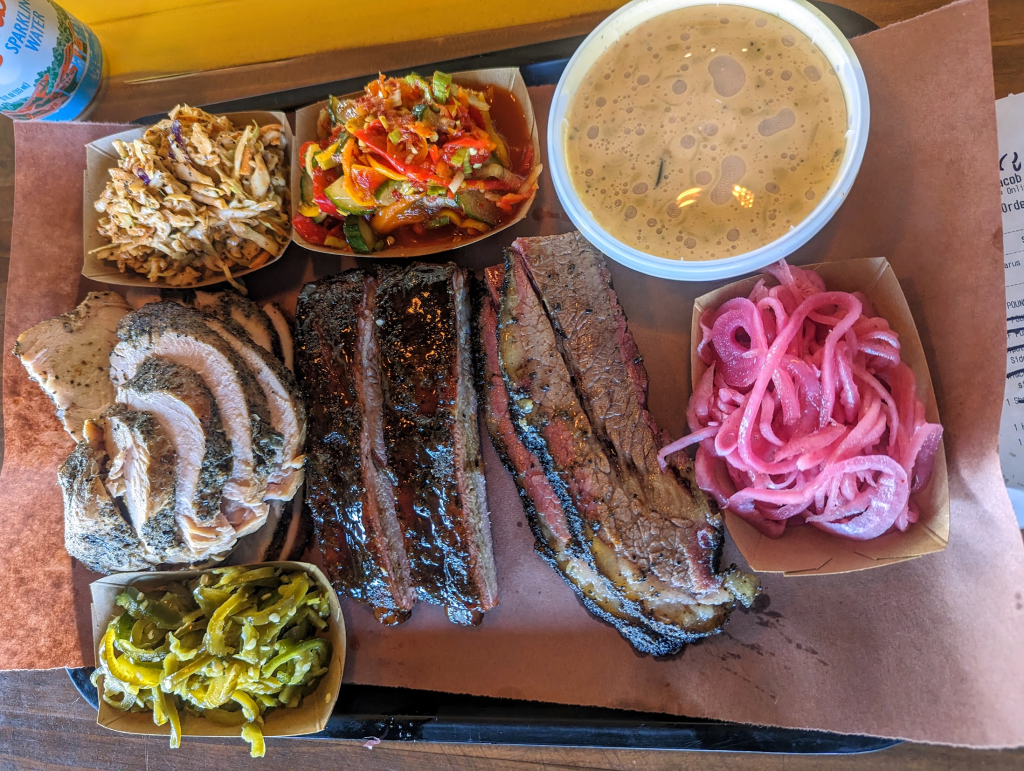
That ended up being one of our favorite aspects of the experience. We got to know San Antonio beyond the usual tourist attractions, then had a completely different city to explore before heading home.
If your schedule and budget allow, building a little flexibility into your plans can be worthwhile.
4. Getting There and Getting Around
One of the biggest decisions you’ll make is whether to drive or fly.
Flying obviously makes more sense for some destinations, especially if you’re heading overseas. But for a longer domestic stay, driving can have some major advantages.
For starters, you’re probably going to bring more than you would on a typical vacation. Work equipment, clothing for several weeks, pet supplies, and all the other things that make an extended stay comfortable can add up quickly.
Then there’s transportation once you arrive.
If you don’t have a car, you’ll need to consider whether your destination has good public transportation, whether you can walk to the places you need, and how much you’ll spend on rideshares or a rental car.
That also affects where you should stay. A cheaper rental outside the city center might not be much of a bargain if you end up spending a fortune getting around.
Why Having Our Car Made a Difference
Because we were bringing our dog and quite a bit of luggage, driving to Texas was the obvious choice.
Having our car meant we didn’t need to stay right in the middle of San Antonio. We found a house in a nearby neighborhood that offered more space for our money, while still giving us easy access to everything we wanted to explore.
It also gave us the freedom to venture beyond the usual tourist areas, take day trips, and discover places we probably wouldn’t have visited otherwise.

And, of course, having our car made the spontaneous extension to Austin much easier.
For us, the flexibility was worth the drive.
5. Why Snowbirding Is Worth Trying
What I enjoyed most about our time in Texas was that it didn’t feel like a traditional vacation.
We still had our regular jobs and responsibilities. We cooked meals, walked the dog, ran errands, and went about our usual routines. But when the workday ended or the weekend arrived, we had an entirely new place to explore.
Instead of spending another January in Chicago, we were trying new restaurants, discovering neighborhoods, spending time with family, and enjoying the ability to be outside without bundling up in five layers.
In a sense, snowbirding lets you try living somewhere new without actually moving there. You get more than the quick impression of a destination that a weekend trip provides, but without the commitment of relocating.
And you certainly don’t need to be retired to enjoy it.
The key is remembering that planning an extended stay requires a different approach from planning a vacation. The destination, accommodations, transportation, and work arrangements all need to fit your everyday life, not just your vacation preferences.
Thinking about escaping winter yourself? Whether you’re dreaming of a month in a new city, a beachfront home for the season, or a few weeks somewhere you’ve always wanted to explore, LazGo Travel can help you narrow down the possibilities and find accommodations that actually fit your needs.
Get in touch with LazGo Travel and let’s find your perfect winter escape.


Leave a Reply