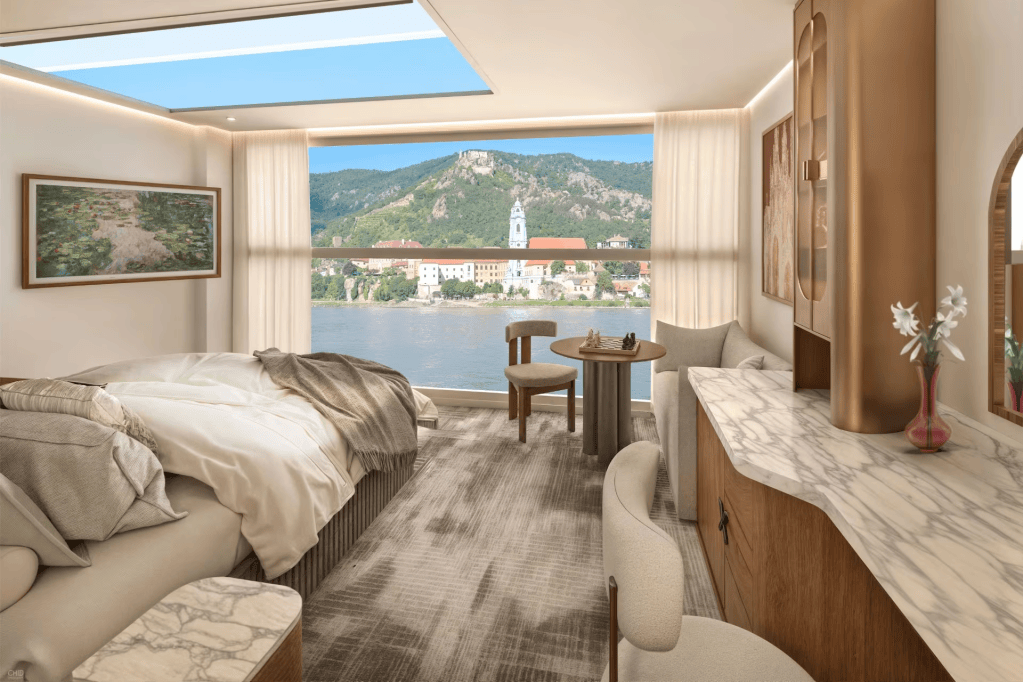
One of the biggest advantages of a river cruise is that you can visit several destinations without constantly packing up and switching hotels. Smaller ships also allow you to get to places that traditional ocean cruises can’t.
When most people think of river cruising, they think of mainland Europe. But you can also explore the Amazon rainforest, visit ancient Egyptian temples along the Nile, or even captain your own boat through the Irish countryside.
The type of experience you’ll have depends heavily on which river you choose, so here’s how I’d narrow down your options.
If you want ancient temples and archaeological sites, choose the Nile (Egypt).
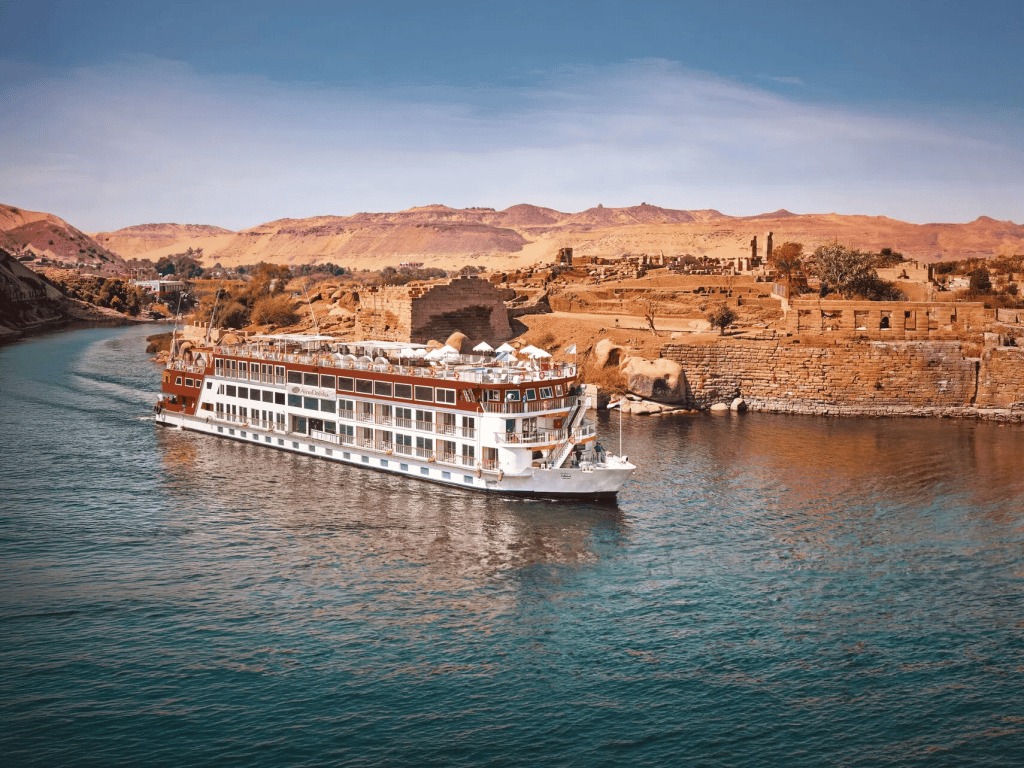
A Nile cruise between Luxor and Aswan is a great way to see many of Egypt’s ancient temples and tombs without spending the entire trip driving between cities. Depending on your itinerary, you’ll visit places like Karnak, the Valley of the Kings, Kom Ombo, and Philae.
There’s a surprisingly wide variety of ships on the Nile, from historic steamships like the Sudan to modern luxury boats with plunge pools and Egyptologists onboard. I’d pair the cruise with a few nights in Cairo to see the Pyramids of Giza and the Grand Egyptian Museum.
If you want rainforest wildlife and adventure, choose the Amazon (Peru).
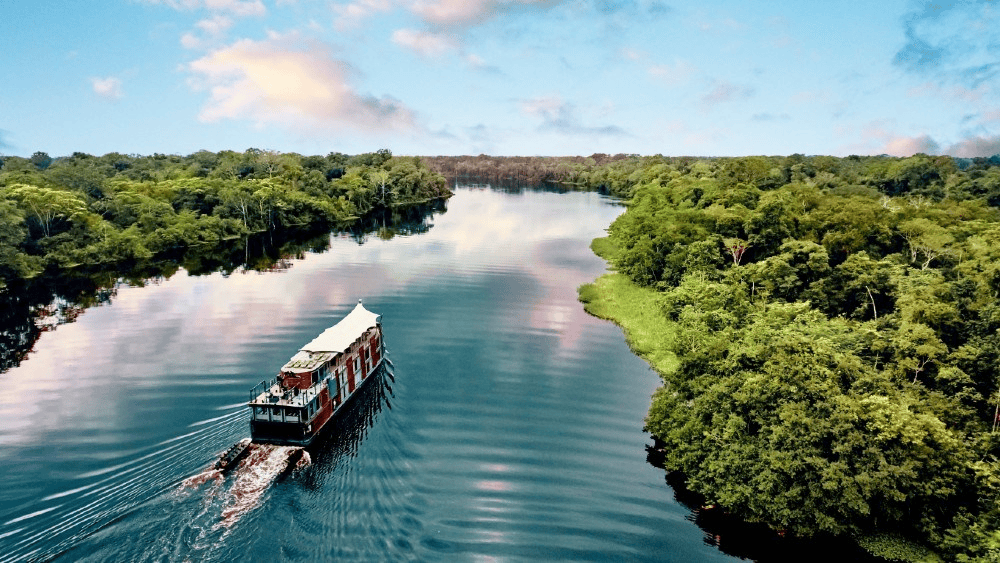
A cruise on the Peruvian Amazon is quite different from a European river cruise. Boats on the Marañón and Ucayali tributaries near Pacaya Samiria National Reserve are often small, some carrying fewer than 40 guests. You’ll head out on smaller boats to explore flooded forests and narrow creeks.
With naturalist guides, you’ll look for pink river dolphins, sloths, macaws, monkeys, and caimans. Some itineraries also include piranha fishing and nighttime wildlife excursions. If you’d like to explore the rainforest without giving up air conditioning, comfortable rooms, and good food, it’s a great option.
If you want to explore a less visited part of India, choose the Ganges (India).
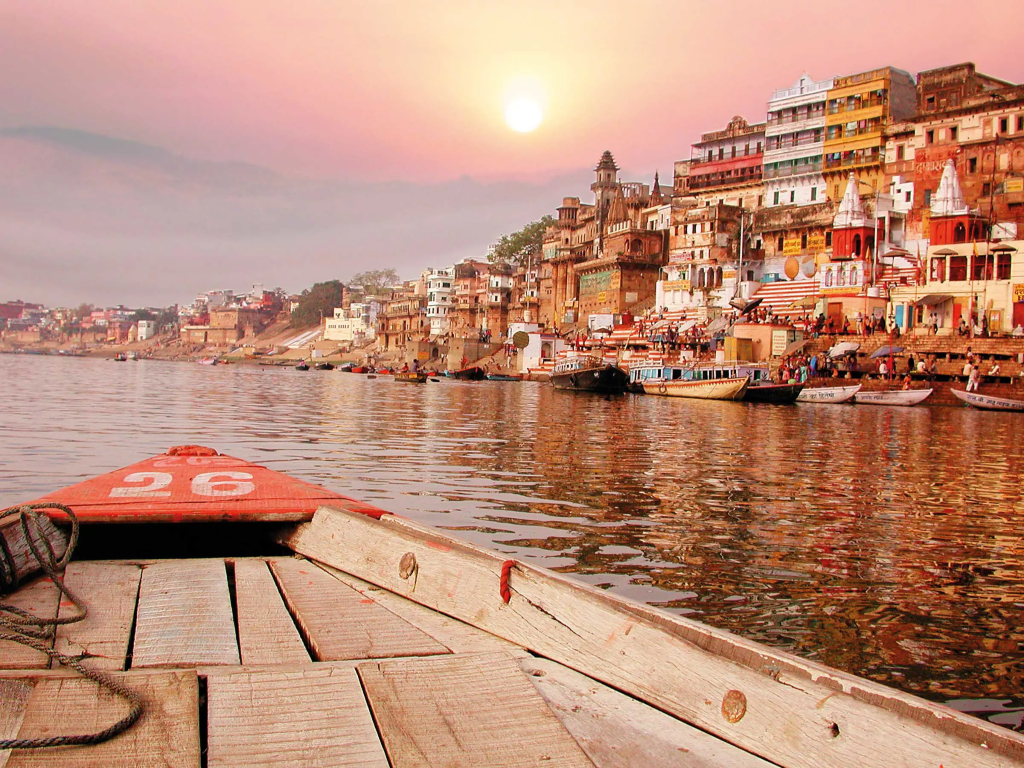
A cruise on the Hooghly, a branch of the Ganges near Kolkata, gives you a chance to see a part of India that’s often overlooked on traditional tours. You’ll pass farming communities, brick-making villages, and towns known for their terracotta temples.
Depending on the itinerary, you might visit riverside ghats, explore the former colonial settlement of Chandernagore, or see historic temples in Kalna. The ships tend to be small, and the pace is relatively relaxed. I’d particularly recommend this to travelers who want to explore beyond India’s better-known tourist destinations.
If you want major European capitals, history, and music, choose the Danube (Central Europe).
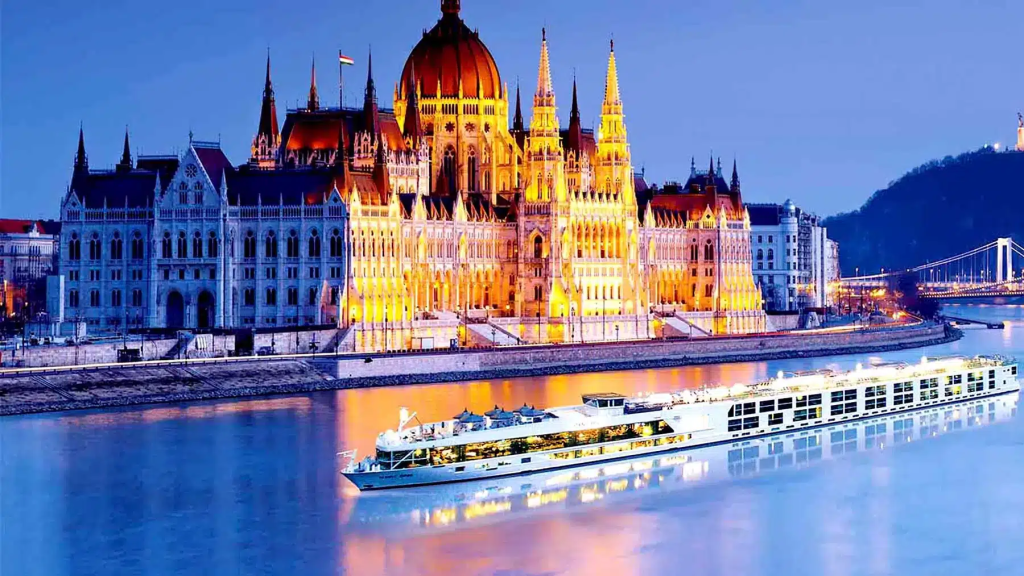
The Danube flows through ten countries and connects major cities like Vienna, Budapest, and Bratislava with smaller towns and wine regions like Austria’s Wachau Valley. If it’s your first European river cruise, it’s a great way to experience several different countries in a week.
You can spend your days exploring palaces, attending classical music concerts, visiting thermal baths in Budapest, or biking along the river. There are also plenty of ships and departure dates to choose from, including Christmas market cruises in late November and December.
If you want castles, scenic river valleys, and historic towns, choose the Rhine (Western Europe).
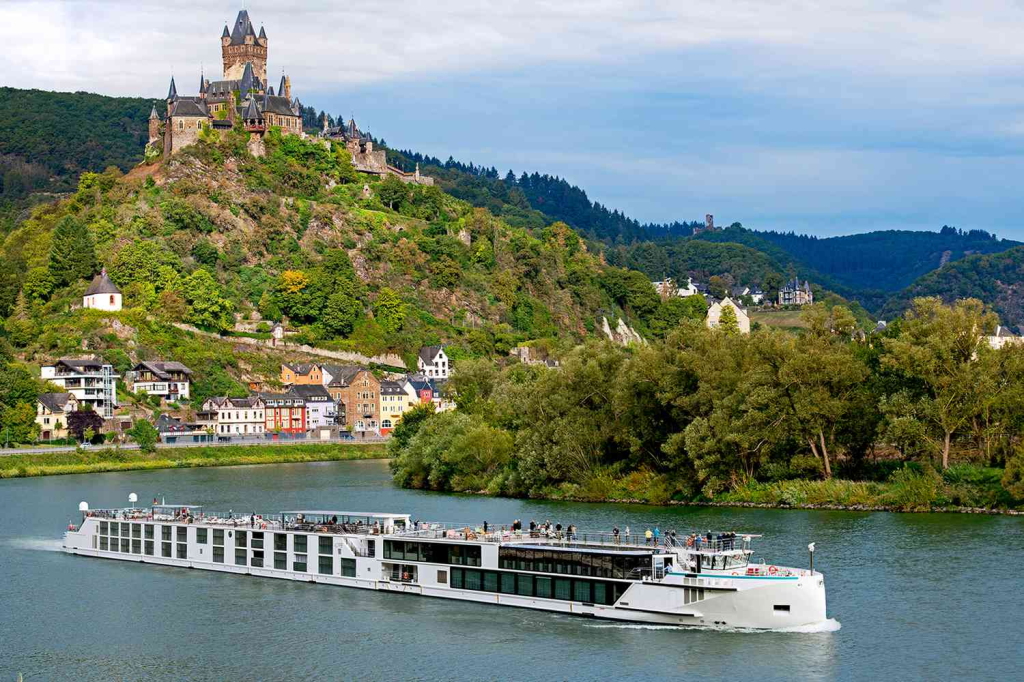
While the Danube is great for visiting major cities, the Rhine (often sailed between Amsterdam and Basel) is better known for its castles and wine villages. One of the highlights is the UNESCO-listed Upper Middle Rhine Valley, where you’ll see dozens of medieval castles and fortresses along the river.
Along the way, you can explore towns like Rüdesheim, Koblenz, and Strasbourg, or take excursions into the Black Forest or France’s Alsace wine region. If you’d rather visit smaller historic towns than big cities, I’d lean toward the Rhine.
If you want great food and wine, choose the Rhône (France).
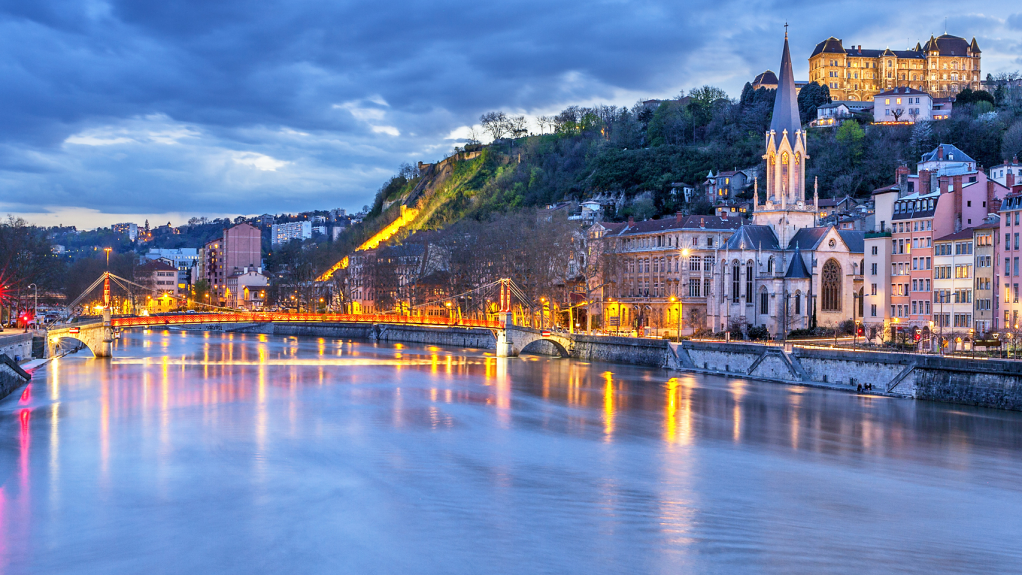
The Rhône would be my top pick for food and wine lovers. Many itineraries start or end in Lyon, one of France’s best food cities, and include stops near the vineyards of Hermitage and Châteauneuf-du-Pape, the Roman ruins in Arles, and the Papal Palace in Avignon. Some also include the Saône and a visit to Burgundy.
Depending on the cruise and season, you can go wine tasting, try truffle hunting, visit lavender fields, or spend a morning browsing a local market. If food and wine are a big part of why you travel, this is a great way to explore southern France.
If you want wine country and a slower pace, choose the Douro (Portugal).
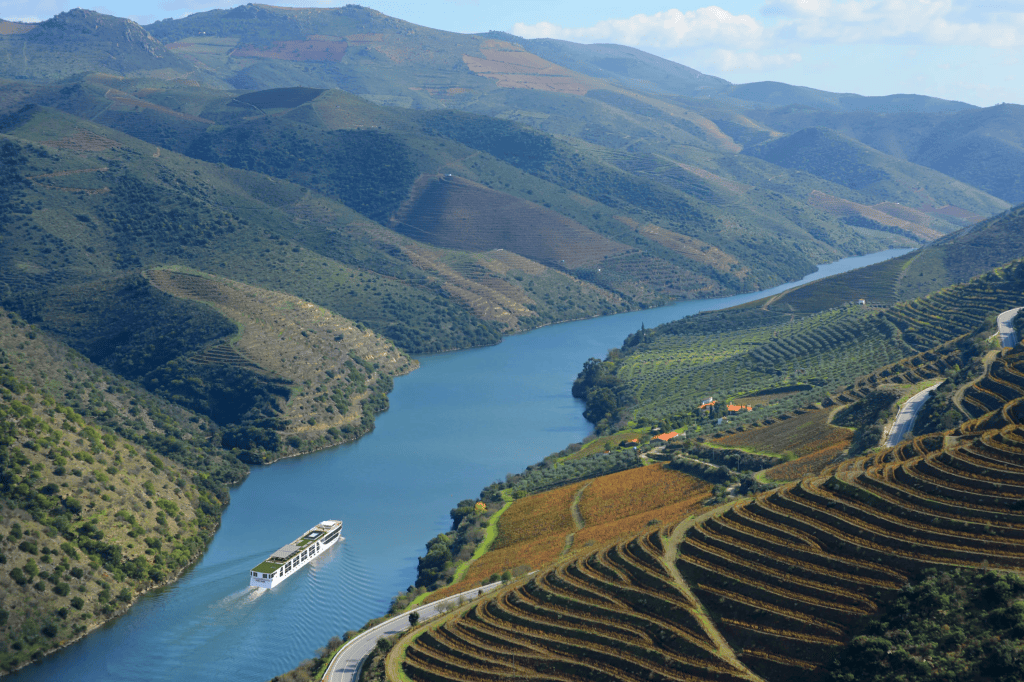
The Douro winds east from Porto through Portugal’s terraced wine country, one of the oldest officially designated wine regions in the world. Cruises typically travel during the day because of the river’s navigation restrictions, so you’ll get plenty of time to enjoy the scenery from the ship.
Douro cruises tend to have smaller ships and a more relaxed pace. You can visit port wine cellars in Vila Nova de Gaia, tour wine estates, or take excursions to towns like Lamego and Salamanca. It’s a good choice if you’ve already done a Rhine or Danube cruise, or if you’d prefer a trip with more scenery and wine tasting than museums.
If you want to see everyday life along the river in Southeast Asia, choose the Mekong (Vietnam & Cambodia).
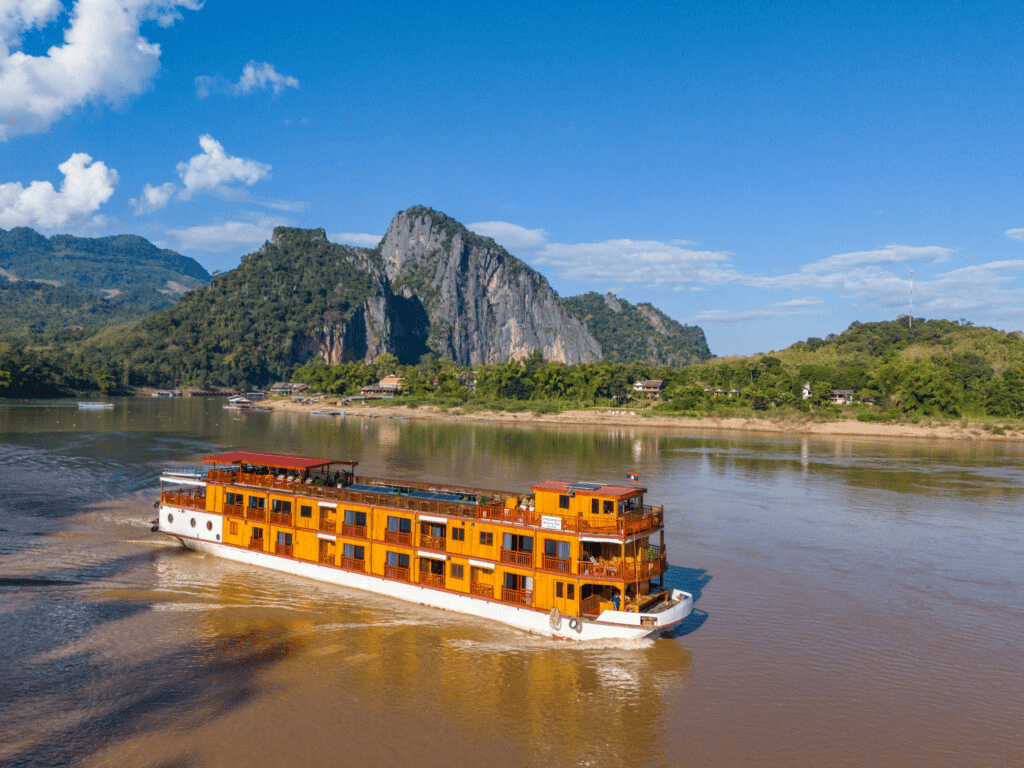
The Mekong is a major part of everyday life in Vietnam and Cambodia. Cruises through the Mekong Delta and into Cambodia pass riverside villages, markets, rice paddies, and brick kilns. Many itineraries include land transfers to or from Siem Reap, where you’ll find Angkor Wat.
You’ll often explore by small boat or local transport, with visits to workshops, Buddhist monasteries, and Phnom Penh. I’d combine a Mekong cruise with a few days in Ho Chi Minh City and Siem Reap if you’ve got the time.
If you want to captain your own boat, choose the Shannon (Ireland).
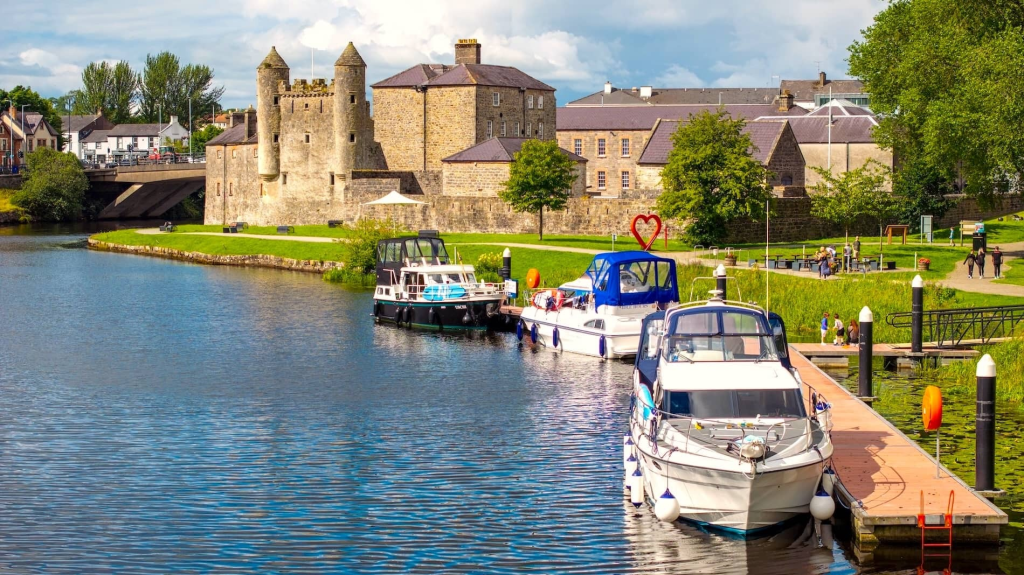
Not every river cruise requires a big ship or a fixed daily schedule. On Ireland’s Shannon, you can rent a self-drive cabin cruiser and be your own captain, generally without needing a boating license. You’ll get to choose when to stop and how much ground you cover each day.
Stop in a village for dinner and live music at a pub, visit the monastic ruins at Clonmacnoise, or spend some time fishing. For families, groups of friends, or anyone who’d rather travel independently, it’s a fun alternative to a traditional river cruise.
Choosing Your River and Ship
Choosing the river is only part of the decision. The cruise line and ship are just as important. Even on the same river, there can be big differences in cabin size, how much time you spend in port, the excursions on offer, and what’s included in the price.
If you’re considering a river cruise, reach out to me at LazGo Travel or fill out my trip planning intake form. I’ll help you find the right river, ship, and itinerary for your trip, and let you know if there are any additional perks available through booking with me.


Leave a Reply