
For many of us, hiking trips are the perfect way to recharge. There’s nothing quite like breathing in fresh mountain air and earning that first stunning view. But unless you’re planning to backpack spontaneously, a great hiking trip takes careful planning. It’s not as simple as booking a flight and a hotel. A little bit of intentionality can ensure you don’t overwork yourself or find yourself stuck in a long line of other hikers – there’s nothing worse than realizing in the moment that the thing you’re most looking forward to is going to disappoint you. For me, that nightmare is seeing large tour busses pulling up to a hike at the same time I do, so I do whatever I can to avoid those situations whenever possible.
Here’s a rundown of the key things to consider to make your next hiking trip an unforgettable outdoor adventure.
Choose Your Destination with Intention
Start by figuring out which comes first: your timing or your destination.
If you have a specific time you want to travel, your first step is to decide what kind of hiking you’re in the mood for. Do you want warm weather or are you open to colder conditions? Are you looking for long, intense treks with camping, or do you prefer shorter hikes and a nice hotel to return to each night? Your options in March will be very different from your options in October.
If you have a specific destination in mind but are flexible on timing, you’ll need to research the best time of year to visit. You could choose the peak season—when the weather is perfect, but you’ll be sharing the trails with crowds and paying higher prices. Or, you could opt for the shoulder season, when the weather might be a little less predictable but you’ll enjoy fewer crowds and cheaper rates. Neither option is right or wrong; it just depends on your preferences.
Plan Your Hikes (and Your Rest Days)
Once you’ve settled on a location and duration, decide how much time you want to spend on the trails. Are you planning an epic, hiking-focused vacation, or are you hoping to do a few key hikes and fill the rest of your time with other activities?
If your goal is to spend most of your time hiking, make sure your destination has enough trails to keep you busy. Going on a week-long trip to a place with only one or two famous hikes will leave you bored after a long weekend.
Regardless of your goal, it’s not a great idea to hike every single day. Giving yourself a day off to recover is important for your body and helps reduce the risk of injury. If you have a challenging hike planned, try to schedule some smaller hikes beforehand to warm up. A smart strategy is to schedule your rest day after a tough hike so you can recuperate. This is the perfect time for less physical activities like shopping, exploring a local museum, or enjoying a city bus tour.
Ultimately, you know your body best, so you can be the judge of how much hiking you can do without significant rest. If you’re not sure or if you haven’t taken many hiking trips in the past, it’s best to err on the side of caution and not push yourself too hard. While you don’t need to get too detailed, sometimes writing down your plans can help you more effectively visualize how your trip is organized so you can decide whether you have an appropriate amount of rest built into your trip.
Don’t Forget Your Downtime
What you do when you’re not hiking shouldn’t be an afterthought. Many famous hiking destinations are also near incredible towns and cities with lots to explore. For example, when my wife and I went to Torres del Paine, we spent our day off horseback riding in the most picturesque area. On another trip to the Great Smoky Mountains, we spent a day exploring the vibrant streets of Asheville, North Carolina, which is a great city for art, craft breweries, and history. To that end, it’s helpful to pack some street clothes for meals or other activities so you can feel comfortable in any situation.
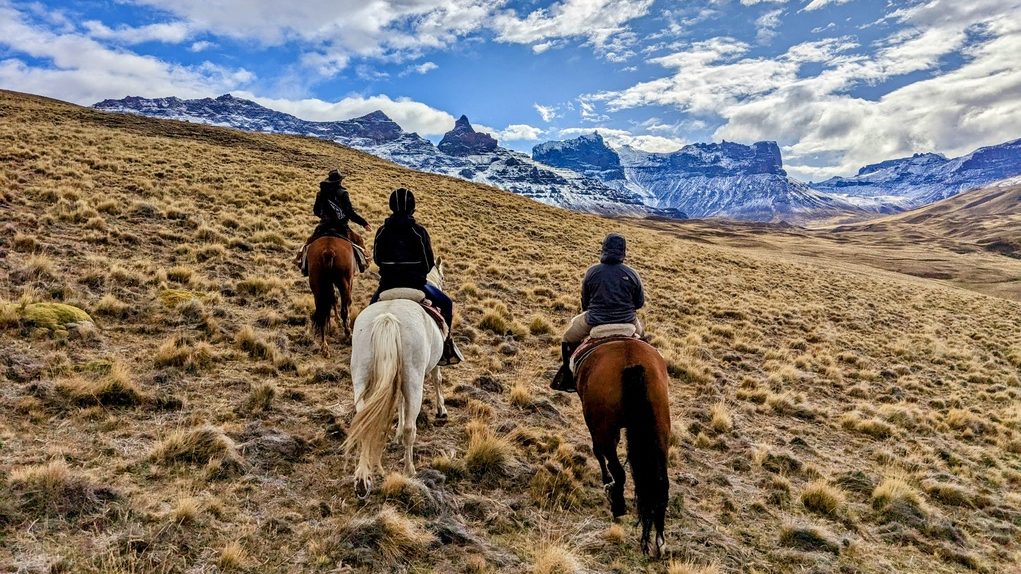
You don’t need to base yourself in a major city to have great downtime options, but it’s important to research the area and find out what else is available.
Additionally, if you’re going somewhere where the weather doesn’t always cooperate, it’s never a bad idea to give yourself a bit more flexibility in case you’re unable to hike one of the days you were hoping to. I learned that the hard way in New Zealand, where we had a single day in each area, and three of our amazing activities were cancelled due to weather. It’s a delicate balancing act, but is often worth planning a bit less when you’re going somewhere with weather that can change on a dime.
Address the Intangibles and Logistics
The planning isn’t over once you’ve found your hikes and activities. Here are some of the less obvious things to consider:
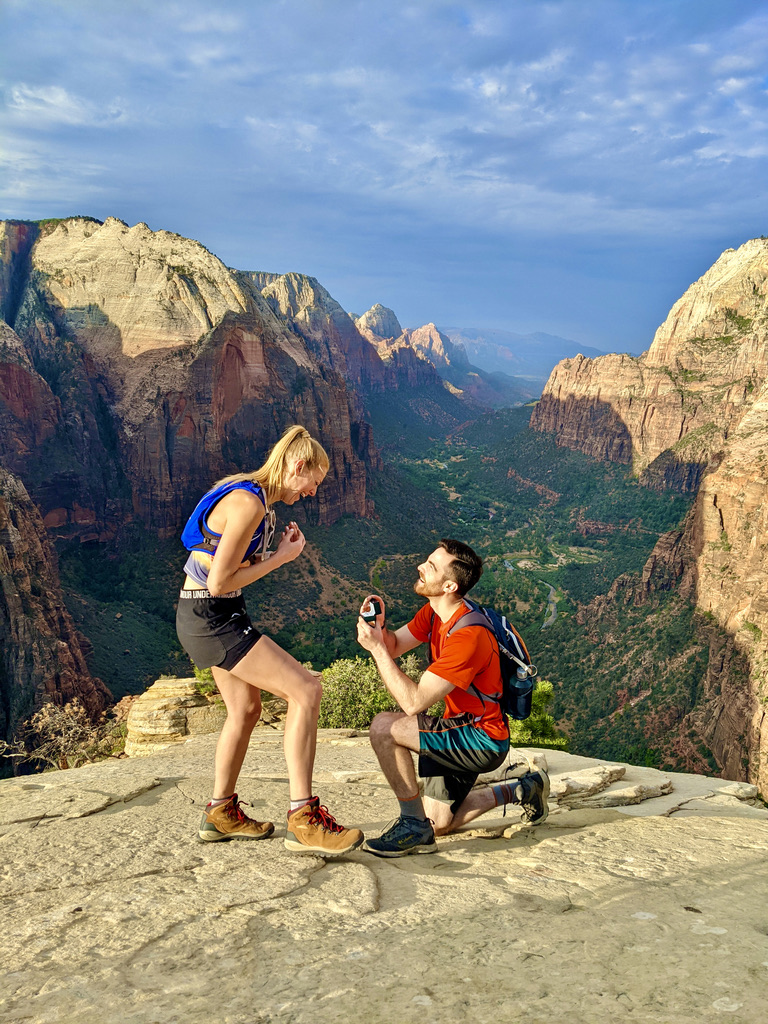
- Time of Day: Going on a hike at the optimal time often means going with the crowds. If you want to enjoy the trails to yourself, you may need to make a sacrifice, like waking up especially early or going at an off-peak time. My wife and I made that sacrifice at the famous Angels Landing hike in Zion National Park in Utah, where we woke up at 4am to be some of the first people on the trail. Getting to the top without all the crowds made for an incredible view (and some perfect surprise engagement photos).
- Permits and Reservations: Many popular parks and trails now require reservations to curb overcrowding – most in the US can be found at recreation.gov. Don’t wait until the last minute to check if a permit is needed for your hike.
- Equipment: Some hikes require special equipment or a guide, especially during the off-season. For example, hiking The Narrows in Zion National Park requires special gear to wade through the water, while hiking Trolltunga in Norway outside of peak season requires a guide.
- Connectivity: Will you have cell service on the trail? How will you navigate? You might need to consider an international data plan, a pocket WiFi device, or a separate GPS system. Getting lost is stressful, so do your due diligence to stay in control of your adventure.
Bringing It All Together
Planning the perfect hiking trip isn’t rocket science—it just takes time and effort. While no trip should follow a strict minute-by-minute schedule, it’s important to account for downtime as well as hiking, and to have a good idea of how you want to organize your trip.
Even with a perfect plan, hiking trips can be unpredictable. Flights get canceled, weather changes, and injuries can happen. Go into it with an acceptance of the unknown, and you’ll end up having the best kind of adventure.
If all of this sounds a bit too daunting, we can help you put all the pieces together. Contact us today to start planning your perfect hiking adventure.


Leave a Reply