
I’ll admit it: checking a bag has its upsides. It gives you the freedom to pack more, which means more options—especially if you’re headed to a big event like your best friend’s bachelor or bachelorette party. Specific outfits (is ten too many?), a set of golf clubs, or other activity-based items are often unavoidable. Plus, checking your bag when travelling means you carry less through the airport itself, which is a nice little bit of freedom while waiting for your flight.
Unfortunately, that’s about where the advantages end.
Larger bags that require checking usually lead to challenges that far outweigh the benefits. Between lost time at the airport, the risk of your clothes being separated from you, and the extra cost, I always choose to travel with only a carry-on. I promise, this is feasible for any traveler, whether you’re taking a two-day weekend trip or a two-week adventure. It just requires a bit of planning, preparation, and strategy.

The Downside of Checking a Bag
As I hinted, there are several major downsides to bringing large luggage that needs to be checked:
- Time: Checking bags forces you to arrive at the airport earlier than necessary and requires you to wait at baggage claim. This can easily add up to hours of wasted time each trip—time that could be spent enjoying your destination.
- Money: Even on budget airlines, you’ll be paying $35–$50 per first checked bag each way on a round trip itinerary. If you’re flying as a couple or family, that can be a few hundred dollars per trip—money that could have paid for an extra night at your hotel!
- Limited Transportation: Traveling with large luggage severely limits how you get around. Hoping to spend a week making your way through the Lofoten Islands? Forget about biking! When changing locations, big bags mean no walking, no cycling, and often no easy subway ride (especially if the station isn’t right around the corner from your hotel).
- Risk of Loss: The worst-case scenario is that your luggage doesn’t arrive when you do. Baggage gets lost frequently, and while airlines provide compensation, it puts a major damper on your trip and often forces you to buy replacement items. During a recent trip to the Azores, I heard stories of entire flights where luggage was held back due to a scheduled strike. Keeping all my bags with me is the easiest way to avoid this stress.
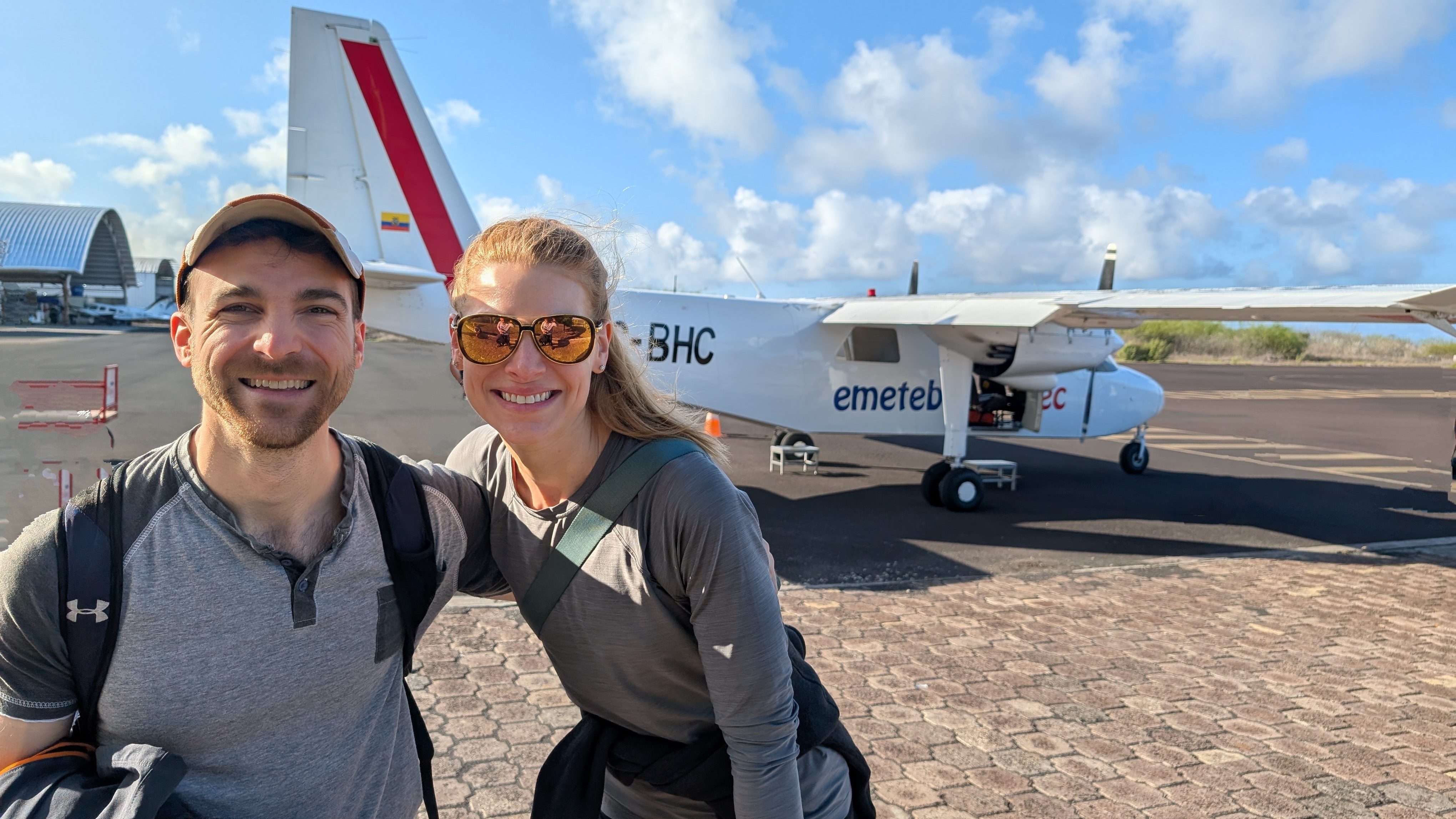
A Quick Note: I recognize that checking bags is sometimes unavoidable, especially when traveling with young children (who require extra gear like diapers, clothes, or a stroller) or older adults (who may not be able to handle their own luggage). In these cases, prioritizing care and convenience trumps the carry-on challenge.
5 Ways to Master the Carry-On Lifestyle
So, how do you manage to pack everything into a carry-on for your trip? It comes down to making smart choices at various points in the planning and packing process:
- Choose Multi-Purpose Items. When buying gear, opt for travel-sized appliances and clothes that serve multiple purposes. For instance, I found hiking pants that look strikingly like khakis—throw on a nicer shirt and those same pants work for dinner. My wife smartly packs flexible flats (like these Rothy’s) that take up almost no space compared to bulky heels but still look great for dressier occasions.
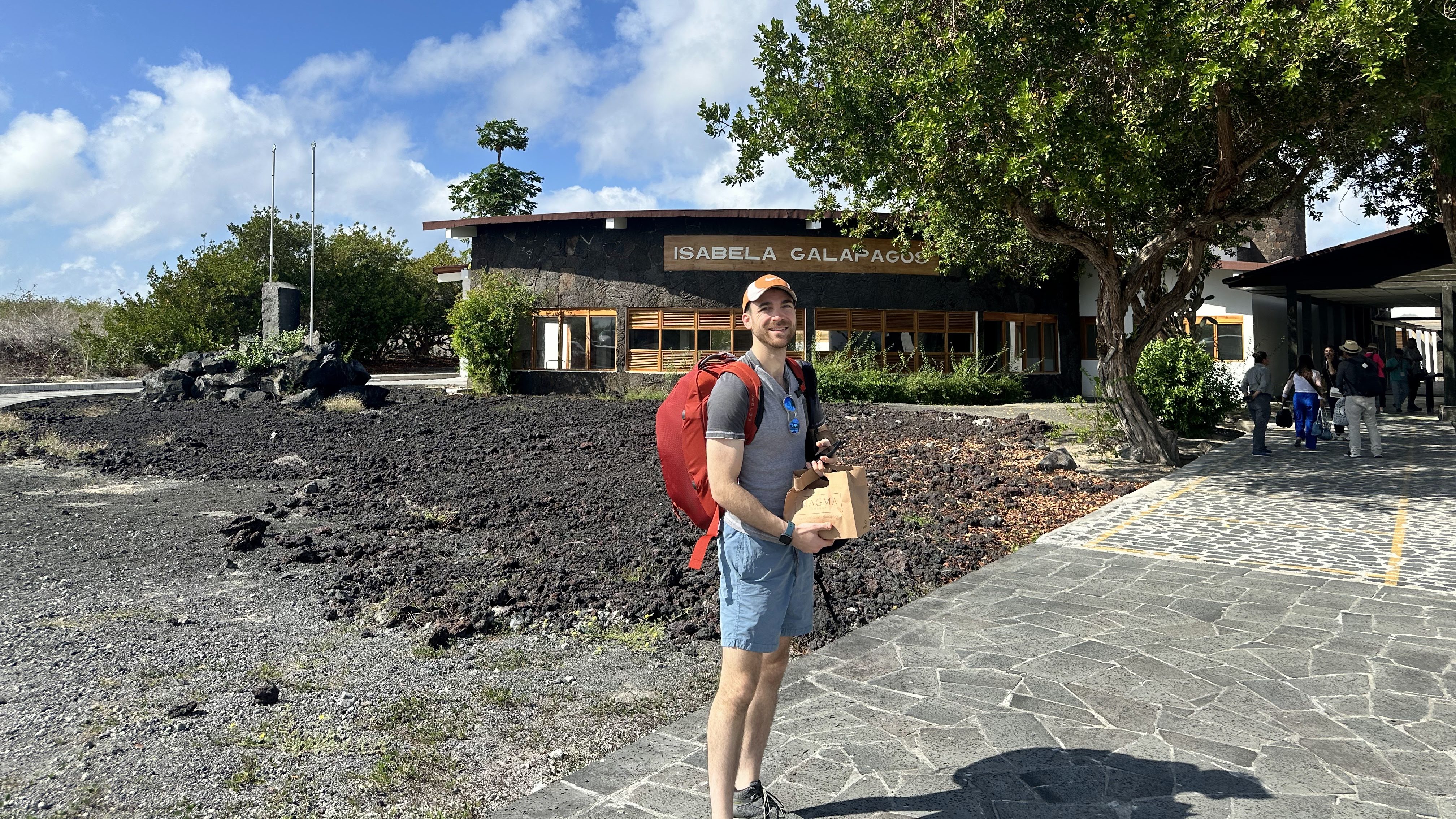
- Maximize Your Luggage Space. There are two great options here. First, a hard-shell roller carry-on is perfect for city or beach vacations. Second, a travel backpack (like my Osprey Porter 46) is better for hands-free, outdoor-focused adventures. With these packs, you can actually often get away with more space – mine is 46 liters and it never gets questioned – than what’s allowed with approved hard-shell carry-on dimensions (which generally max out below 40 liters), and they’re a lifesaver when you’re off the beaten path.
- Wear Your Bulkiest Items. Going somewhere cold and need a heavy jacket or hiking boots? Wear them on the plane! You can always take off and neatly fold your coat in the overhead bin. This saves huge amounts of space. Pro Tip: If your airline has a carry-on weight limit, wear your heaviest items or fill your under-seat personal item (like a backpack) with heavy accessories to distribute the weight.
- Master the Art of Rewearing. Pants are often the bulkiest item I pack, and they’re the easiest to rewear. I bring just a few pairs of pants regardless of my trip length and save space for more ‘one-and-done’ items like socks and underwear. You’d be amazed at how many outfit combinations you can make with a few versatile pants and a few moisture-wicking shirts!
- Strategically Plan for Laundry. If you bring five pairs of socks and underwear on a two-week trip, you’ll run out after five days! When planning longer travel, make sure your mid-trip hotels offer laundry services (or are near a laundromat). To be safe, plan to stay somewhere with laundry a day early, as some services take 24 hours to return your items.
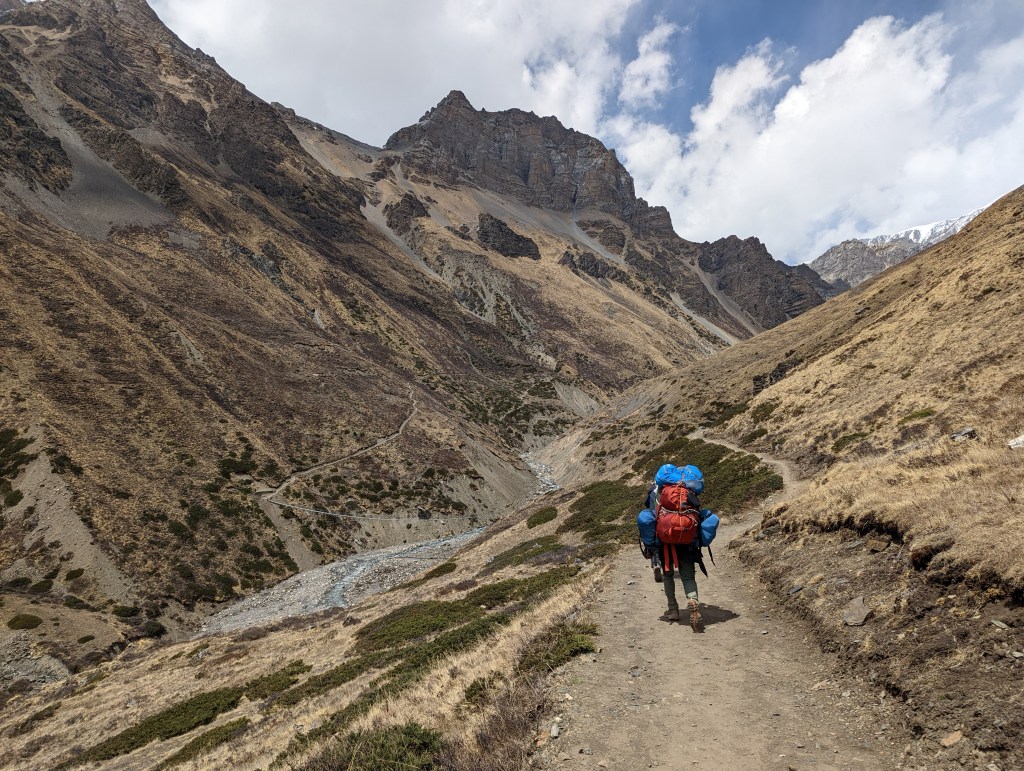
Ready to Go Light? We’ll Handle the Hard Part.
Packing light isn’t rocket science, but it does take intentionality—from your clothing choices to your luggage and transit strategy.
If I’ve convinced you to ditch the checked bag and embrace maximum efficiency, let me take care of the rest of the logistics for you. While I can’t tell you what to wear, I can design a trip that allows you to explore without ever having to worry about lugging heavy baggage everywhere you go.
Contact us today to start planning your lighter, simpler travel adventure!


Leave a Reply