
There’s a unique thrill that comes with traveling somewhere completely new. The first glimpse of a famous landmark, the first bite of unfamiliar cuisine, the rush of navigating a foreign train system—it’s pure, exhilarating discovery.
But let’s be honest: life doesn’t always grant us the luxury of constantly jetting off to entirely new continents. Often, we find ourselves returning to destinations we’ve already visited. Maybe it’s a required annual business trip to Chicago, a family reunion in San Diego, or a weekend getaway to the same beloved city because the flights are always affordable.
The challenge in revisiting a place is settling into a comfortable routine. You hit the “highlights” from your first trip, eat at that one restaurant you loved, and then feel like you’ve exhausted the city’s potential.
If you’re a genuine travel lover, that thought should send a shiver down your spine. The truth is, no matter how many times you’ve been somewhere, you’ve barely scratched the surface.
The real magic of travel isn’t just seeing the sights; it’s the thrill of discovery. And that thrill doesn’t expire after your first visit. It just requires a more intentional, deeper kind of exploration.
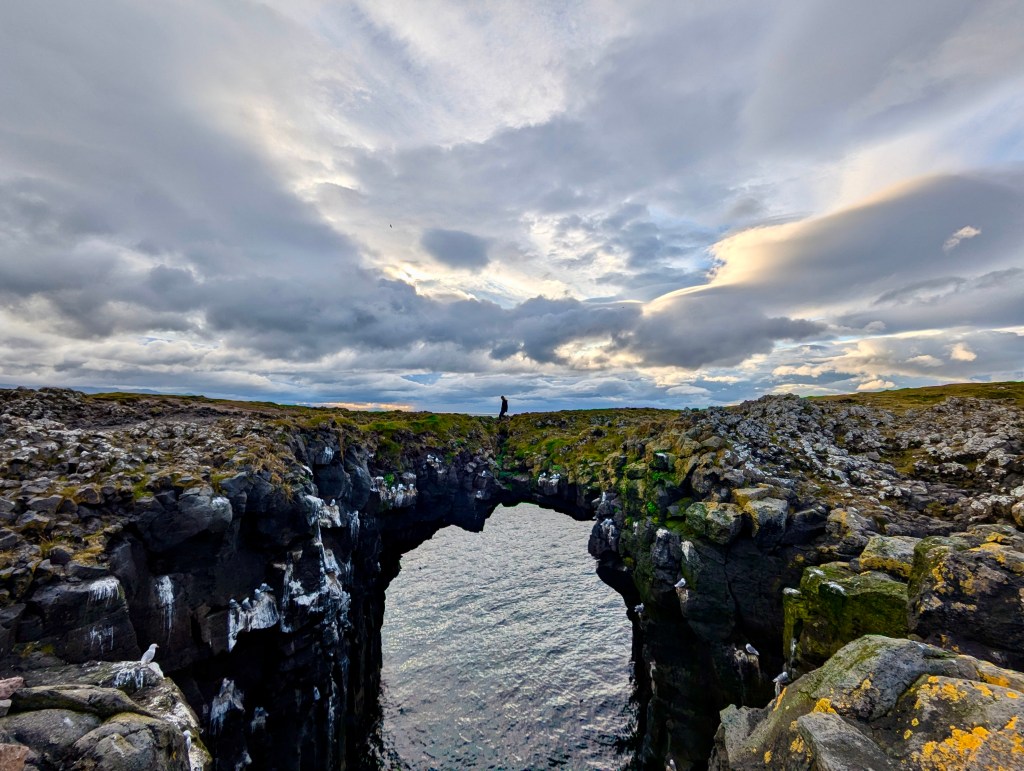
Ready to ditch the tourist traps and dive into the authentic, vibrant life of a familiar destination? Here is your guide to finding thrilling new adventures in places you thought you already knew.
🏙️ Look Beyond the Center: The Edges Are Where Life Happens
When tourists land in a major metropolis, they are naturally drawn to the gravitational center—the financial district, the famous square, the historical core. While these areas are undeniably important, they often represent a highly curated, commercialized version of the city.
If you’ve historically focused your energy on the central bubble, it’s time to expand your map.
- The Tale of Two Boroughs: If your trips to New York City have always revolved around the glittering lights and iconic museums of Manhattan, dedicate your next visit to a day—or two—exploring Brooklyn. Walk through Prospect Park, find a unique coffee shop in Williamsburg, or experience the stunning views from DUMBO. You’ll find an entirely different pace, culture, and energy just across the river.
- Vegas and the Mountains: If Las Vegas means “The Strip” to you, consider this: the state of Nevada is spectacularly beautiful. Take a break from the flashing casinos and head out to the Red Rock Canyon National Conservation Area or even Mount Charleston. You’ll trade slot machines for stunning high-desert vistas and realize there’s a world beyond the neon lights. And the best part? Given the close proximity, you can easily be back in Vegas by evening to enjoy all your favorite shows, restaurants, clubs, or high-stakes poker games.
- The Business Traveler’s Blinders: Do you frequently travel for work and spend your time bouncing between the airport, a hotel near the central business district (CBD), and conference rooms? Don’t mistake the CBD for the entire city. The best restaurants, the coziest pubs, and the most intriguing local history are often located in the residential or creative districts just a short train ride away.
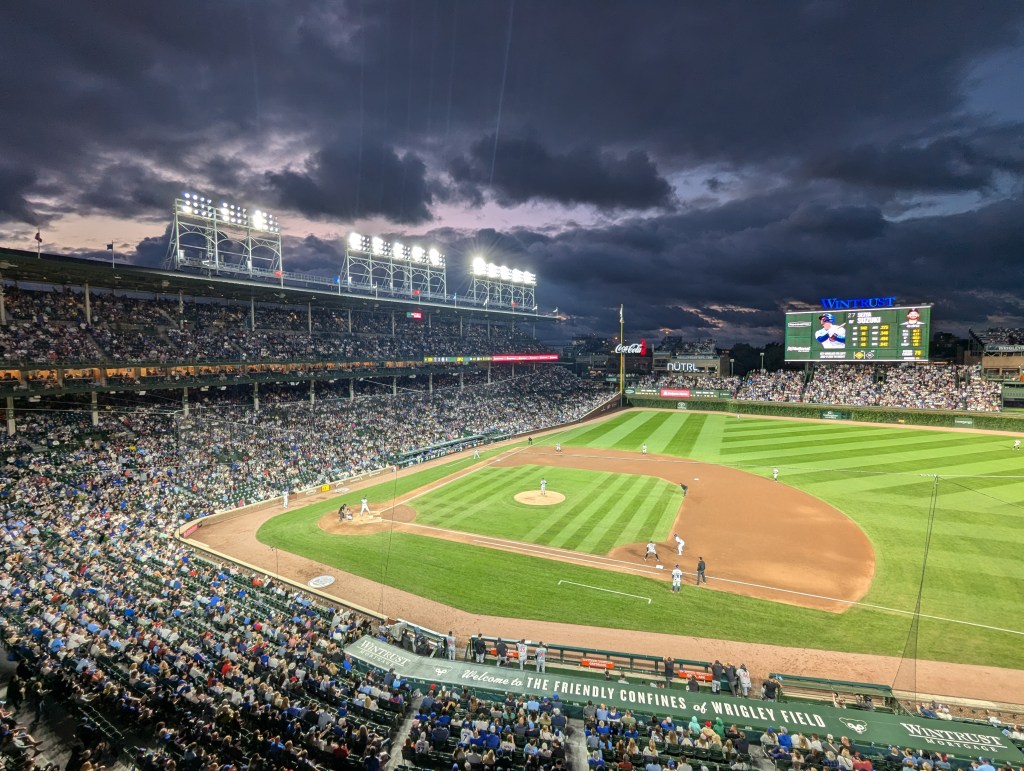
Pro-Tip on Logistics: If you don’t have a car, don’t assume you’re limited. Almost every major city has an extensive public transportation network—subway, light rail, or bus lines—that extend well beyond the obvious tourist heart and into the vibrant local neighborhoods. Learning to navigate these systems is an adventure in itself!
🛑 Evolve Beyond the Tourist Lists
When planning a trip, the first things we consult are often high-traffic, aggregated review sites. And for a first visit, these are invaluable! They ensure you don’t miss the major, must-see attractions.
But for a returning traveler, these sites become a bottleneck. They are algorithmically designed to push the most popular, highest-rated attractions to the top—which means you’ll see the same ten things you saw last time.
It’s time to find the local-first sites that often have a more discerning, niche audience.
- Look for Local Alternatives: While Yelp, Google Reviews, and TripAdvisor are great aggregators, many cultures have their own specialized, local versions that haven’t been widely adopted by international tourists. For example, in Japan, a site like Tabelog functions like a highly specialized, local version of a restaurant review site. It often provides a far more authentic perspective on the best food options, away from the queues of international visitors. A quick Google search can often uncover these helpful resources.
- Understand Cultural Rating Differences: If you do dive into these alternative local sites, a critical step is understanding the local cultural nuances. In the Tabelog example, Japanese consumers are often far more discerning and critical in their rating systems than their Western counterparts. A 3.5-star rating, which might seem only “good” to a Western eye, is often considered excellent in this context. Don’t dismiss a place just because the numerical rating seems lower than what you’re used to.
- Hiking Beyond the Hype: This rule applies to nature as well. Sites like AllTrails are wonderful for finding popular, well-maintained hiking paths. But if you’re looking for solitude or a truly unique natural landscape, their lists will also favor the crowded, high-traffic trails. Look for local hiking blogs, park ranger recommendations, or smaller, community-run sites for trails that offer a real escape.
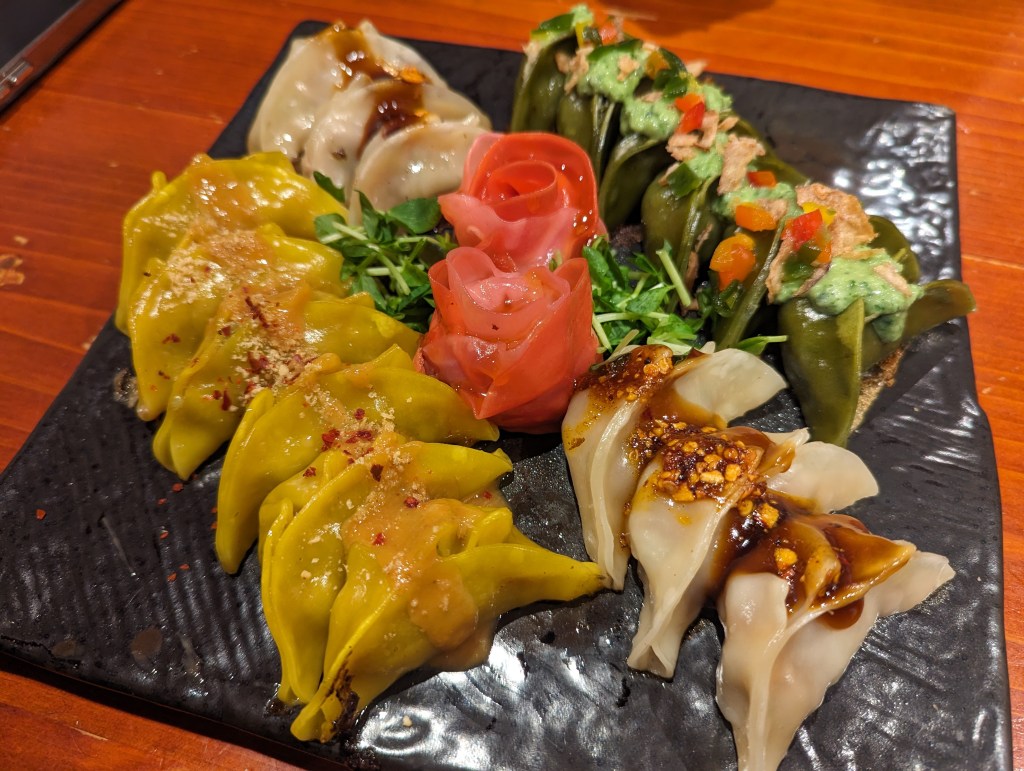
🔍 Look to the Internet, Intelligently
The internet is a vast ocean, and while the surface is filled with obvious tourist blogs, the deep currents often hold the hidden gems. You just need to know how to fish for them.
- Dive into Reddit: Forget the polished articles and sponsored content. Subreddits dedicated to a specific city (e.g., r/AskNYC, r/LosAngeles, r/Kyoto) are goldmines. Locals use these platforms to complain about traffic, celebrate new openings, and, most importantly, recommend their true favorite spots. Search for conversations like “Hidden Gems in [City Name]” or “Where do the locals actually eat?” You’ll often find insights that are years away from appearing on the first page of Google.
- Find Niche Travel Blogs: Look for blogs that focus on a specific niche within a city—like “Best Mid-Century Modern Architecture in Palm Springs” or “Tokyo’s Indie Music Scene.” These specialized resources offer deep dives that general travel sites simply can’t provide.
- Due Diligence is Key: While Reddit and niche blogs can offer unique insights, remember the internet is also full of trolls and people with unique (and sometimes bad) taste. If you get a recommendation for a “must-see underground museum,” do a quick sanity check. Look up the location on Google Maps or similar aggregators. If the singular person’s praise is shared by at least a few others, you’ve likely found a winner. If the place has zero online presence, you’ll have to decide if the risk of a true discovery is worth the reward!
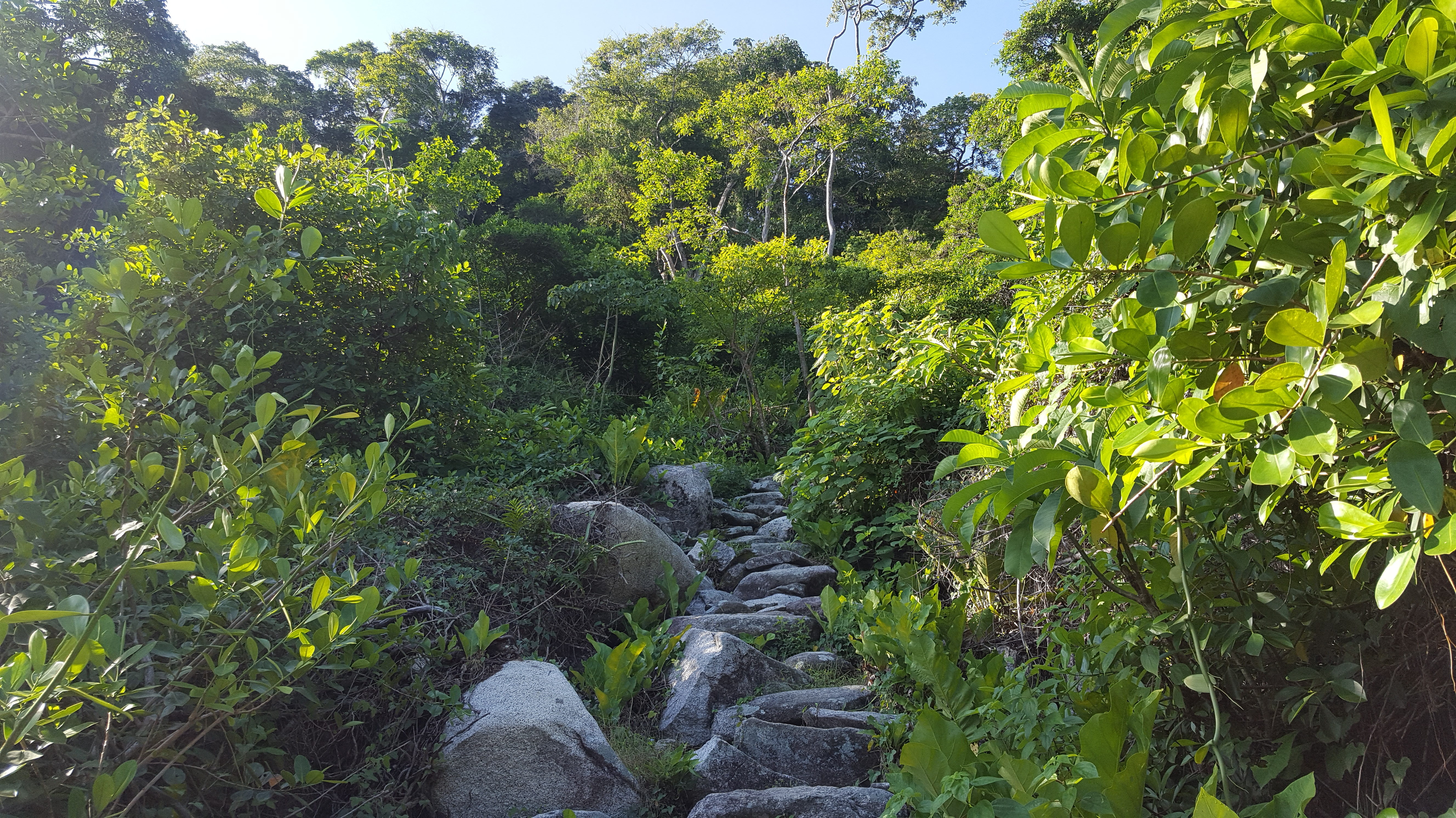
🗣️ The Most Powerful Tool: Just Ask a Local
All the apps, algorithms, and maps in the world cannot replace the spontaneous, informed insight of a local. This is the single most effective, and often most rewarding, way to find new things in a familiar place.
Keep It Flexible: The best hidden gems are often found by chance. Make sure your itinerary isn’t so rigid that you can’t carve out a half-day to explore a neighborhood or attraction that a local spontaneously recommends.
Go Where the People Are: Head to local, non-chain pubs, neighborhood cafes, or public spaces where locals socialize. Find a friendly-looking stranger—maybe a bartender, a server, or a person reading a book—and strike up a conversation. Ask them what they do on a Saturday morning, or where they take their friends when they visit.
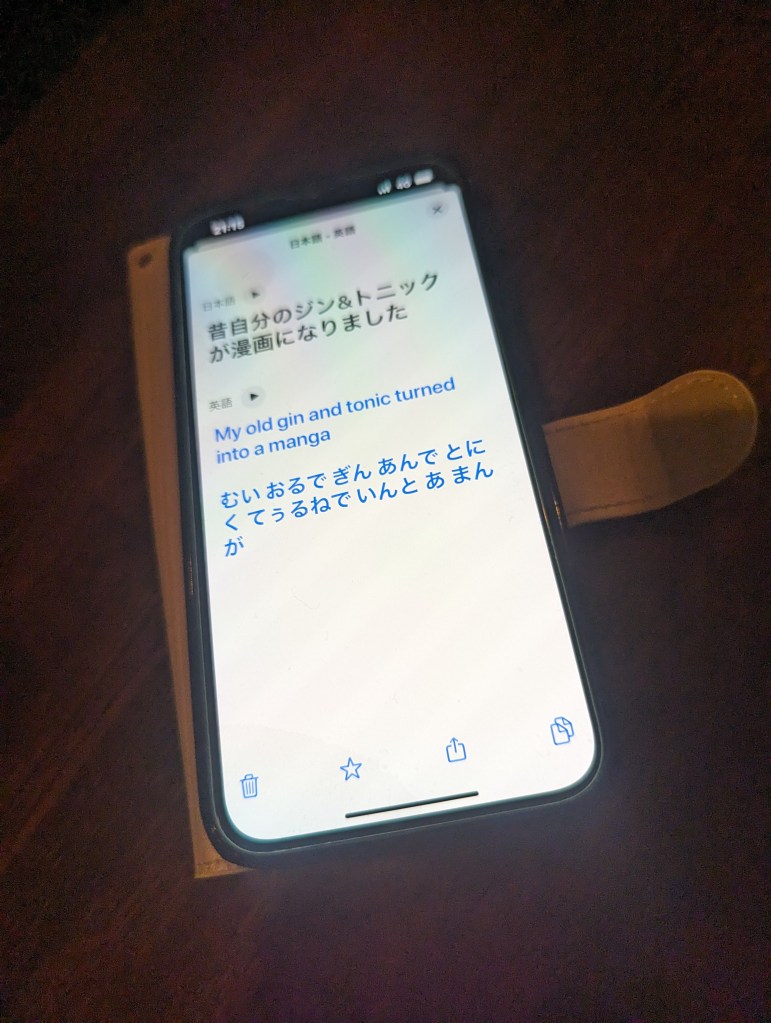
Don’t Fear the Language Barrier: Technology has dissolved most of the difficulty of communicating across languages. Pull up a translation app on your phone (Google Translate is excellent) and use it to genuinely connect with someone.
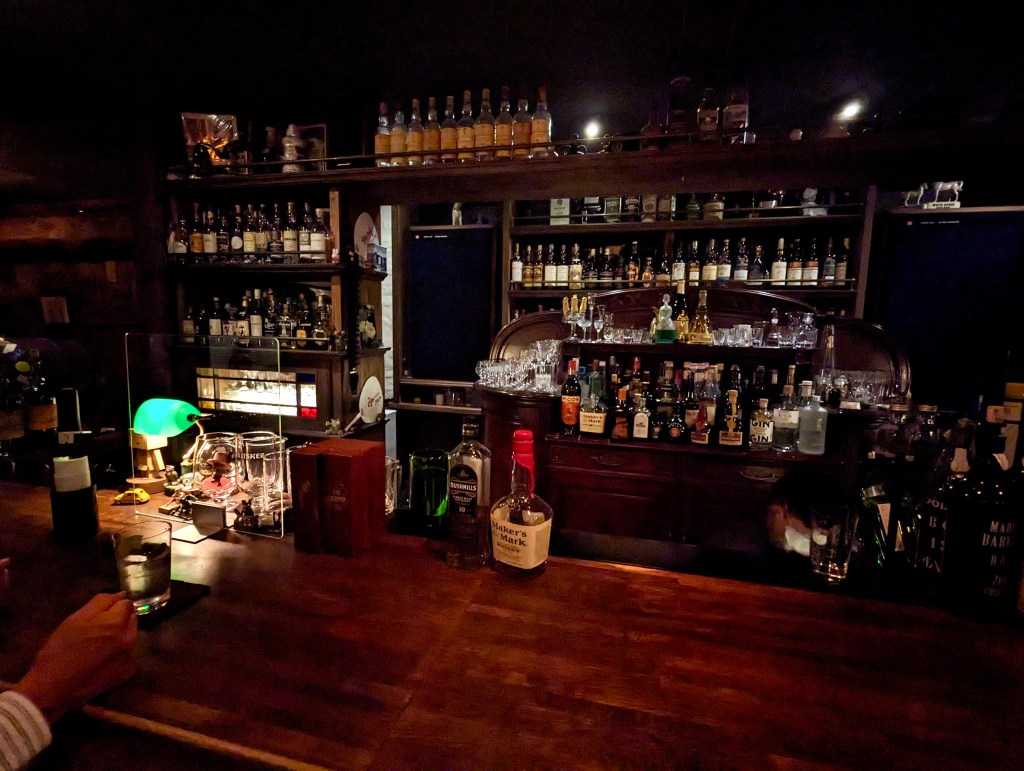
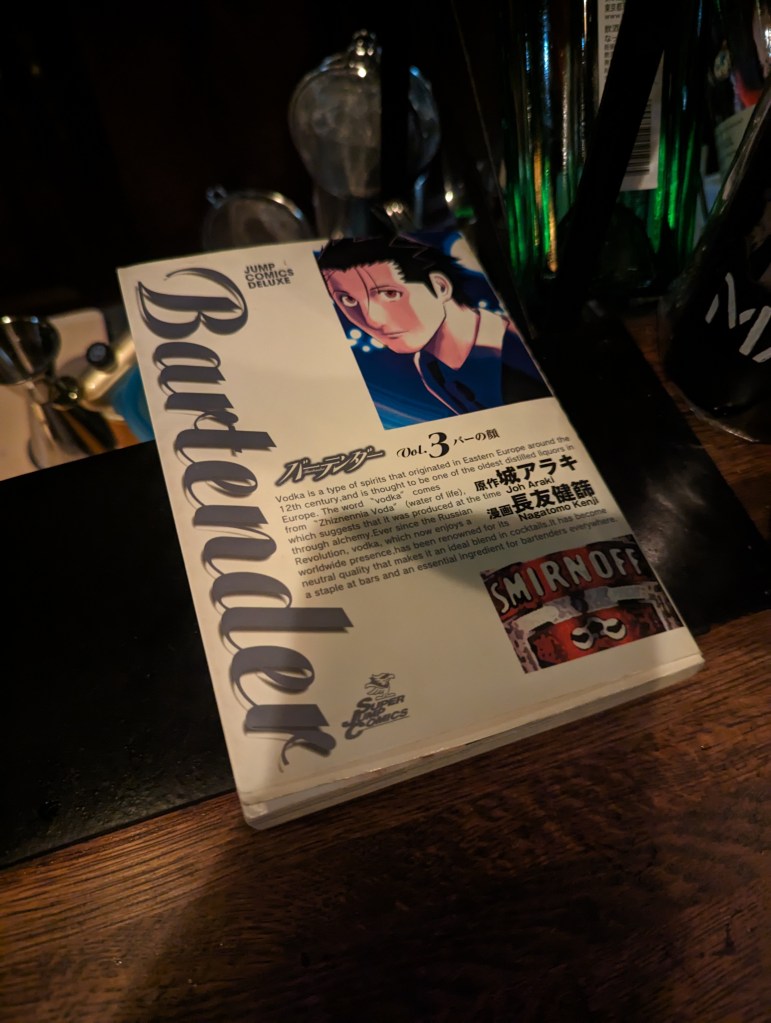
This approach led to one of our most memorable travel moments in Kyoto, Japan. We were at a small, unassuming bar. The bartender was initially reserved, but after using a simple translator app to express our genuine appreciation for his craft, he completely opened up. He ended up showing us the cocktail he invented and explained how his bar had been featured in a famous Japanese comic book years prior. It was a wonderful, memorable experience that could never have been found on Trip Advisor (photos below).
💖 Ready to Go Deeper?
Returning to a destination is not a compromise; it’s an opportunity. It’s your chance to move beyond the superficial checklist of a first-time visitor and start living like a temporary resident, finding the quiet corners and authentic experiences that truly make a city hum. It’s proof that there’s always something new to discover, even in the most familiar places.
If you’re planning a return trip and are tired of seeing the same five results every time you search, I’d love to help you design a more adventurous, local-centric itinerary.
Reach out to me! The next time you’re returning to a destination you’ve already been to, let LazGo help you find the exciting new things that are waiting to be uncovered just below the surface.


Leave a Reply