
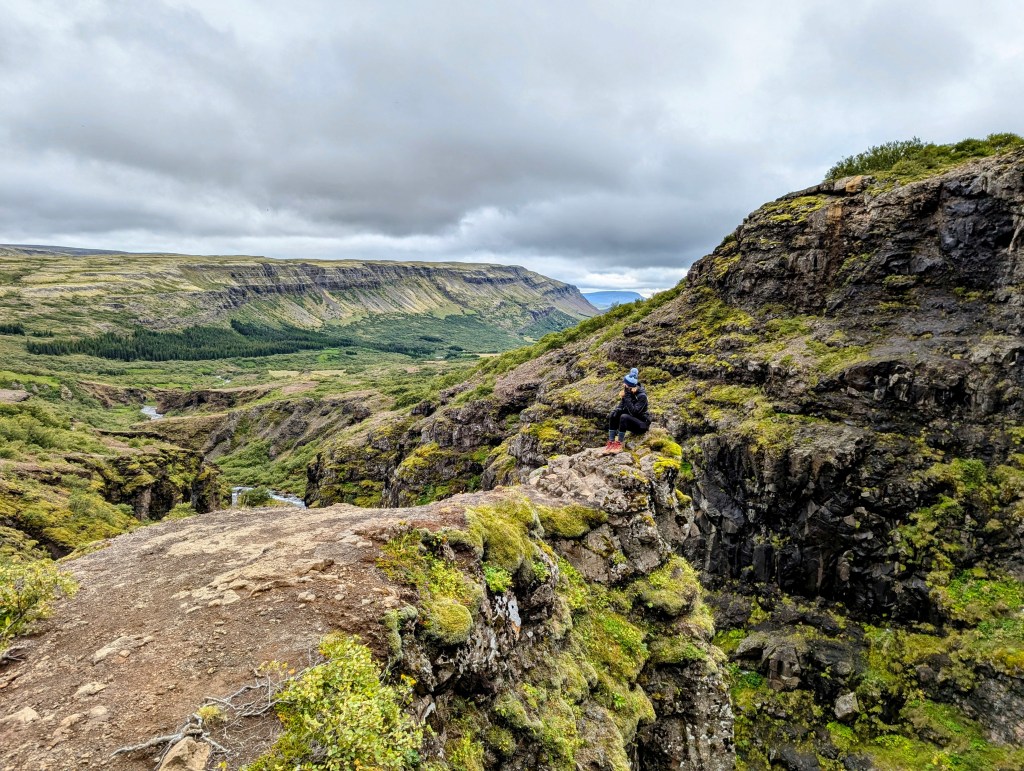
Iceland’s surge in popularity is no surprise. With its dramatic basalt cliffs, thundering waterfalls, and otherworldly volcanic landscapes, it has topped travel bucket lists for a decade. But with fame comes the “masses.” If you’ve seen photos of the Blue Lagoon or the Golden Circle lately, you know that finding a moment of solitude can feel like a challenge.
The good news? Iceland is a country built on vastness. Even as the main attractions get busier, there are still ways to experience the raw, quiet magic of the North Atlantic. Whether you are a first-time visitor or a returning explorer, this guide will help you navigate the crowds and find the “secret” Iceland that still exists just beyond the beaten path. And don’t worry – you won’t be quizzed on the pronunciations!
1. Seek the Less-Traveled Paths
The majority of visitors stick to a very specific corridor: Reykjavik, the Golden Circle, and the South Coast. To find the quiet, you simply have to go a little further.
The Snæfellsnes Peninsula
Often called “Iceland in Miniature,” Snæfellsnes contains nearly every geological feature the country is famous for—glaciers, volcanoes, black sand beaches, and lava fields—all within a few hours’ drive of the capital.
Despite its proximity to Reykjavik and the presence of the iconic, arrow-shaped Kirkjufell mountain, we found surprisingly few people here. While the main photo spots might have a small gathering, the coastal hikes between the tiny villages of Arnarstapi and Hellnar offer miles of dramatic cliffside views with only the seabirds for company.
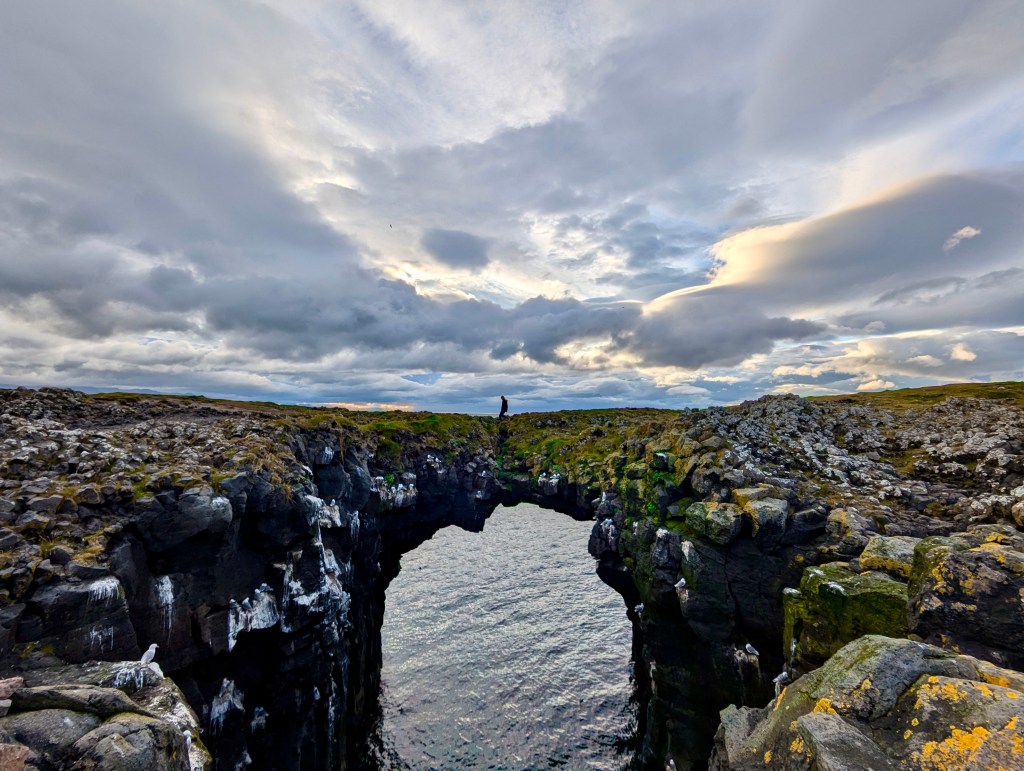
The Westfjords: The Final Frontier
If you truly want to leave the crowds behind, head northwest. The Westfjords are the most geographically isolated part of Iceland. Because of the rugged terrain and a relative lack of large hotels, only about 10% of tourists ever make it here.
Admittedly, this region requires commitment. The roads are winding, many are gravel, and the infrastructure is sparse. But those who make the trek are rewarded with Dynjandi, a waterfall that looks like a bridal veil draped over a mountain, and the Látrabjarg cliffs. These cliffs are not only the westernmost point of Europe but also home to one of the largest puffin colonies in the world. In the Westfjords, you aren’t just a tourist; you are an explorer.
The Westman Islands (Vestmannaeyjar)
To the south, most people drive right past the ferry terminal at Landeyjahöfn on their way to the famous waterfalls. Don’t make that mistake. A short, easy ferry ride takes you to Heimaey, the only inhabited island in the Westman archipelago.
The main town, Vestmannaeyjabær, is a delight. It was nearly destroyed by a volcanic eruption in 1973, and you can still see the “Pompeii of the North” excavation sites. Beyond the history, the island offers some of the best food and craft beer in the country, incredible hiking up the Eldfell crater, and a much more intimate atmosphere than the mainland. And, like the Látrabjarg cliffs, Heimaey also contains one of the largest puffin colonies in Europe. We were able to explore this area with no one else around, and witnessing the puffins in all their goofy glory uninterrupted was one of the highlights of our trip.
2. Strategic Stays: Beat the “Bus Rush”
One of the best ways to enjoy famous sights in peace is to change where you sleep. Many travelers stay in larger hubs like Reykjavik or Vík and take long day trips. This means they all arrive at the popular spots between 10:00 AM and 4:00 PM.
By finding accommodations near your high-priority sights, you can visit them at the “edges” of the day.
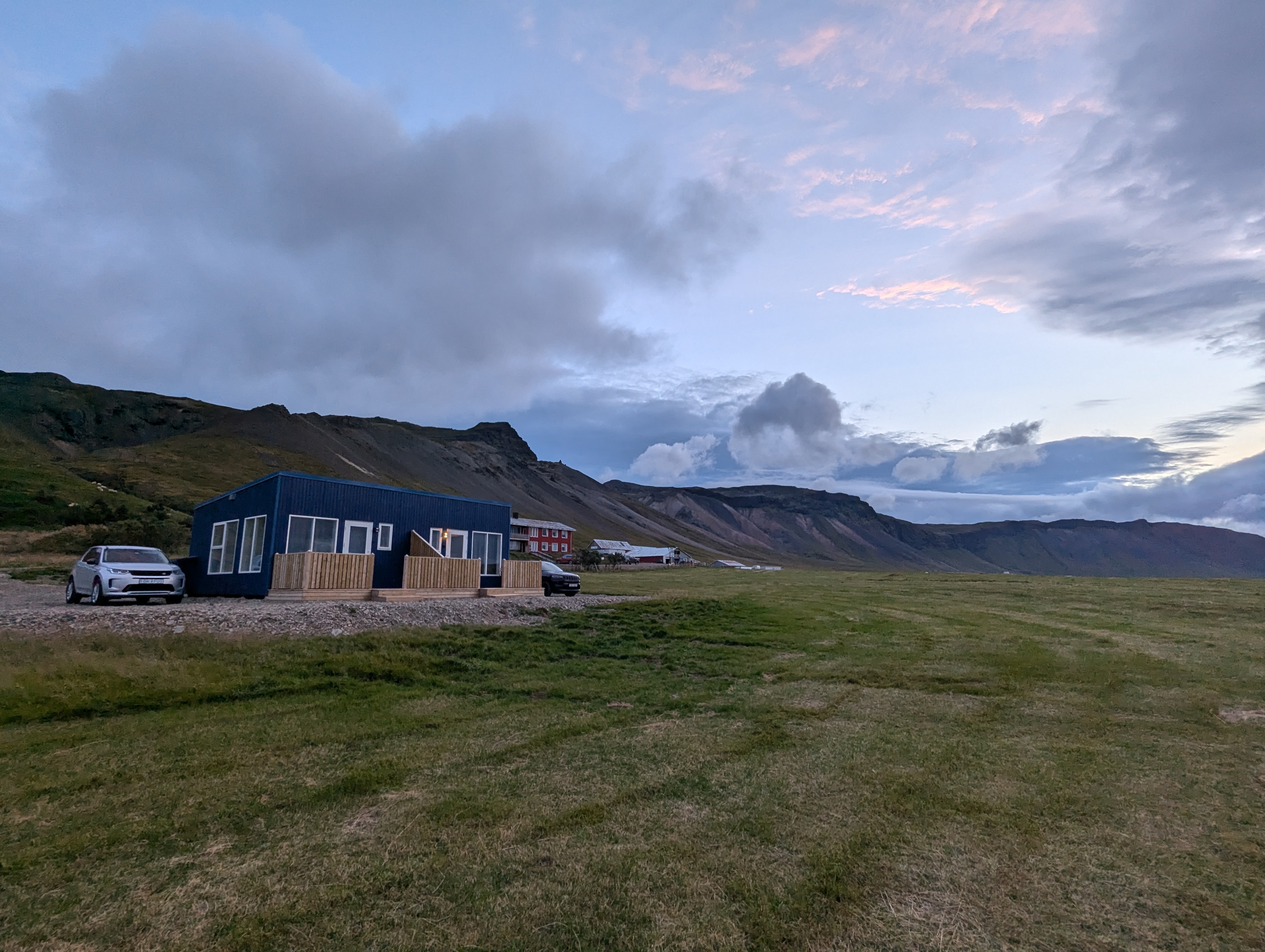
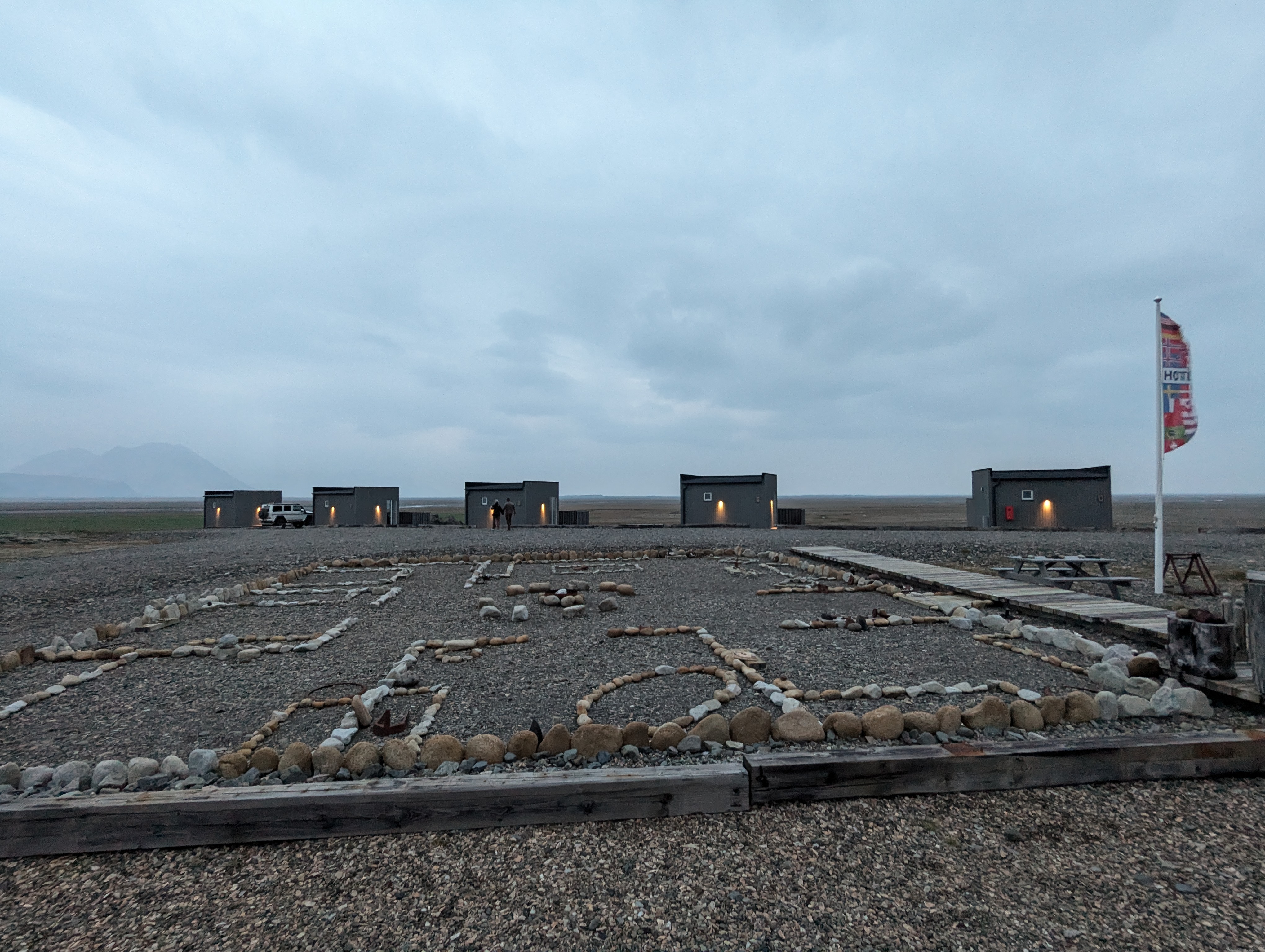
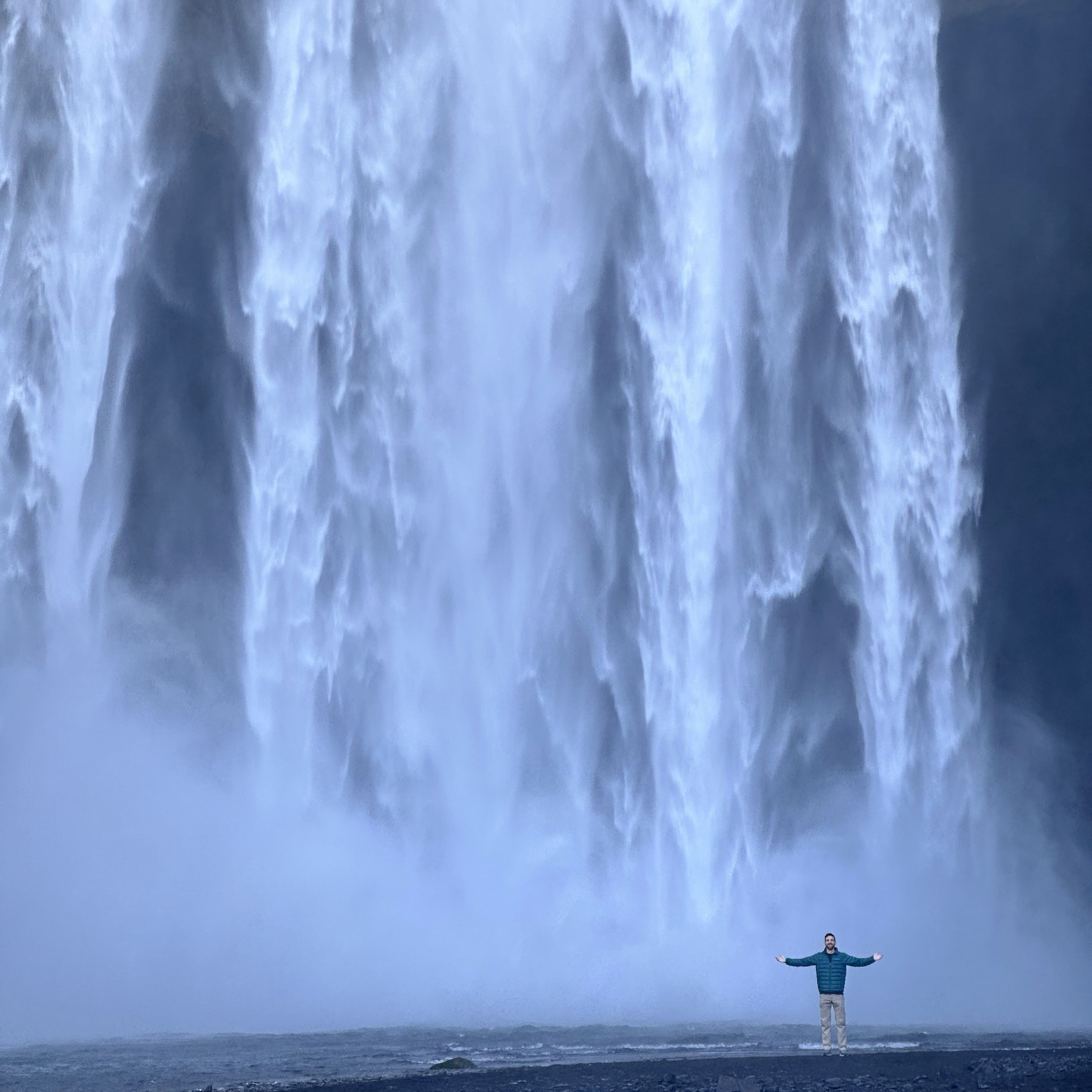
- Stuðlagil Canyon, Skógafoss, & Reinisfjara Beach: We intentionally booked small guesthouses and boutique homestays within a short drive of these locations. Staying at local lodging near the Ring Road allowed us to hop in the car at 7:00 AM, as well as catch sunset views over the stunning black sand beach after all the tourist buses had left. If you’re in Iceland in summertime, the extra hours of sunlight will come in handy for this, as you can visit places quite late into the evening and still get to see them beautifully aglow.
- The Experience: These stays may not always be ultra-luxurious, but they are clean, cozy, and run by locals who provide the best travel tips. Most importantly, standing at the base of Skógafoss with nobody else around is a feeling you can’t put a price on.
3. Embrace the Shoulder Season
Iceland’s “Peak Season” is short—primarily July and August for summer, and the weeks around Christmas for winter. To find a balance between good weather and fewer crowds, aim for the Shoulder Seasons: May to early June, or September to October.
Traveling during these windows offers unique advantages, but requires a bit of flexibility:
- The Perks: You’ll find better availability for car rentals and hotels, and the prices are often lower. You’ll also see fewer people on your journey
- The Trade-offs: The weather is even more unpredictable than usual. If you go in May, the puffins are just arriving, but the Highlands (F-roads) will likely still be closed. If you go in September, you might catch the first Northern Lights of the season, but you risk early snowstorms in the north. Pro tip: if you’re travelling to Iceland during a risky weather season, give yourself an extra “flex day” or two in case a day gets lost to bad weather.
4. Find a New Perspective on Popular Places
Even at the “must-see” spots, there is usually a way to escape the dense crowds by taking the path less traveled—literally.
Stuðlagil Canyon (The East Side)
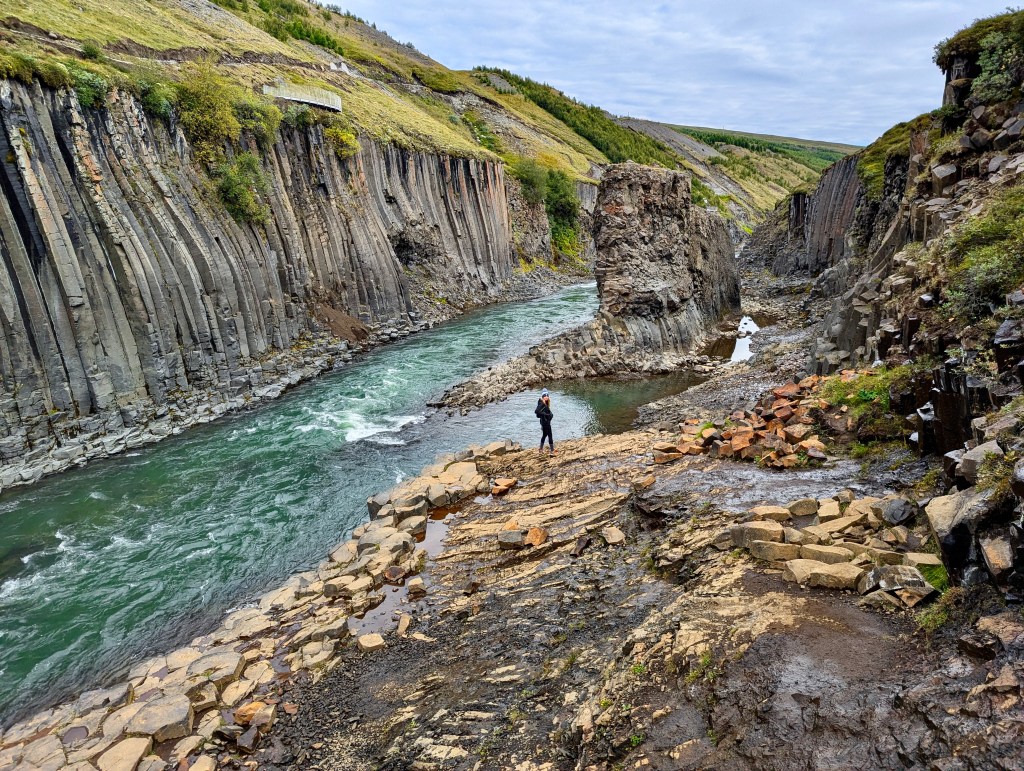
Most visitors follow the signs to the west side of Stuðlagil, where they stand on metal viewing platforms and look down. It’s a 5-minute walk, and it’s always crowded. The Pro Move: Drive to the east side (via the bridge at Klaustursel farm). This requires a 2.5-mile hike, but the walk is beautiful and it allows you to actually climb down into the canyon and stand among the towering basalt columns. You’ll be at the water’s edge while the crowds on the other side look at you with envy from their distant platform.
Dettifoss (The East Bank)
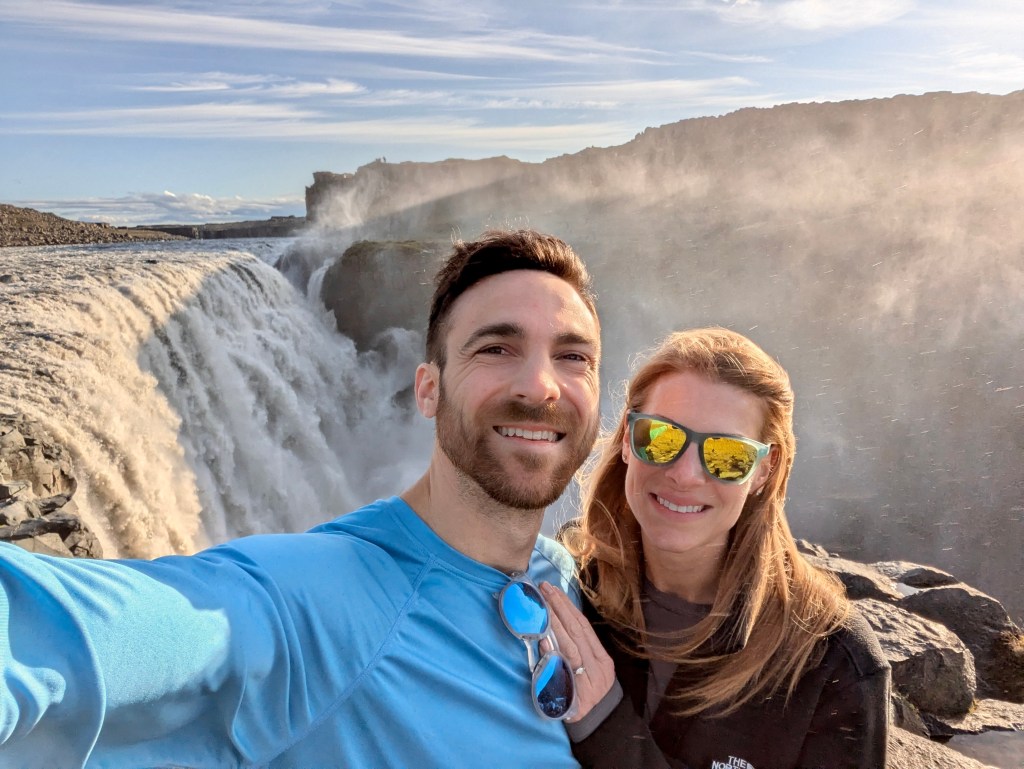
Dettifoss is the most powerful waterfall in Europe. Most tour buses go to the paved west side. The Pro Move: Take the more rugged, unpaved road (864) to the east side. The drive is bumpy, but it brings you right to the edge of the falls. There are no guardrails here—just raw, thundering power and a fraction of the people.
Seljalandsfoss (The Hidden Neighbor)
Everyone stops at Seljalandsfoss to walk behind the falls. It’s beautiful, but it can feel like a theme park queue. The Pro Move: Once you’ve finished the main loop, don’t go back to your car. Walk five minutes further north along the cliff face. You’ll find Gljúfrabúi, a waterfall hidden inside a narrow cave. You’ll need waterproof boots to wade through the stream to get inside, but standing in that hidden cavern is a transcendental experience. Pro tip: always have an extra pair of dry socks packed in case your feet get wet.
5. Bonus: The Ultimate Escape (F-Roads)
For the truly adventurous, the best way to find solitude is to leave the pavement behind entirely. Iceland’s interior is crisscrossed by F-roads (mountain roads). These are unpaved, often involve river crossings, and are strictly prohibited for standard rental cars.
To access these, you must rent a 4×4 vehicle specifically cleared for F-roads—often a modified SUV or a “Super Jeep” with high clearance.
- Why do it? The F-roads lead to the Highlands (areas like Landmannalaugar or Askja). These landscapes are hauntingly beautiful—vast deserts of black sand, neon-green mossy mountains, and natural hot springs.
- The Reward: Because of the difficulty of the drive, 90% of visitors will never see these places. You aren’t just avoiding the crowds; you’re entering a different world entirely.
Ready to Plan Your Icelandic Escape?
Iceland is a land of extremes, and planning a trip that avoids the crowds while hitting your bucket list requires a delicate balance of timing, logistics, and local knowledge. You shouldn’t have to spend your vacation looking at the back of someone else’s rain jacket.
At LazGo, we specialize in crafting custom itineraries that take you beyond the postcards. From securing the right 4×4 for the Highlands to finding that perfect “secret” homestay near the canyon, we handle the details so you can focus on the adventure.
Contact LazGo today, and let’s start planning your un-crowded Icelandic adventure.


Leave a Reply