
Whether you’re looking for a solo soul-searching mission or you’ve simply found your PTO doesn’t align with your friends’ schedules, traveling alone can feel a bit daunting. One of the scariest parts? The fear of being lonely.
The reality, though, is that solo travel doesn’t have to mean being alone. In fact, it’s often the easiest way to make lifelong friends from across the globe. Based on my own experiences, I’ve learned that the right destination and the right stay make all the difference.
Here is your guide to navigating the social side of solo travel and five incredible hotels designed to turn strangers into travel buddies.
How to Choose Your Social Basecamp
The key to meeting people isn’t just to be extroverted, it’s about putting yourself in environments where socializing is the default, not the exception.
1. Hostels (For Younger Travelers)
When you’re in your twenties, hostels are one of the most effective ways to meet like-minded people around your own age. They are specifically designed for budget-conscious, independent travelers who are eager to socialize and share experiences.
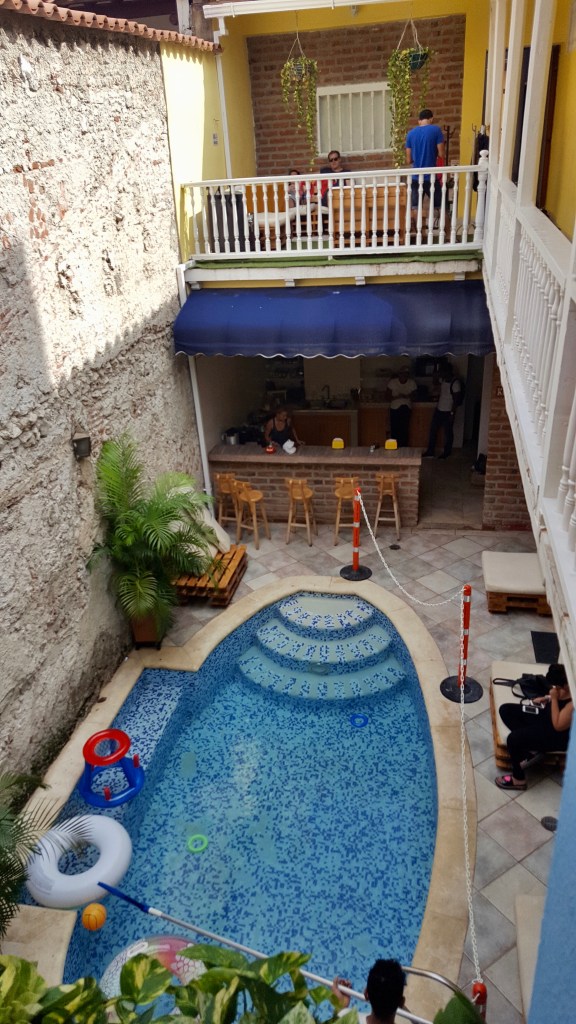
- Built-in Social Scene: The very nature of a hostel fosters a communal environment. Many guests are solo travelers themselves, and those in groups are typically seeking social experiences and are open to meeting new people. There is an unspoken agreement that you are there to connect.
- Communal Exploration: Choosing a hostel often leads to spontaneous plans. A simple conversation in the common room can quickly turn into a plan to explore a new city together. You might find yourself sightseeing with people from three different continents by the end of the day.
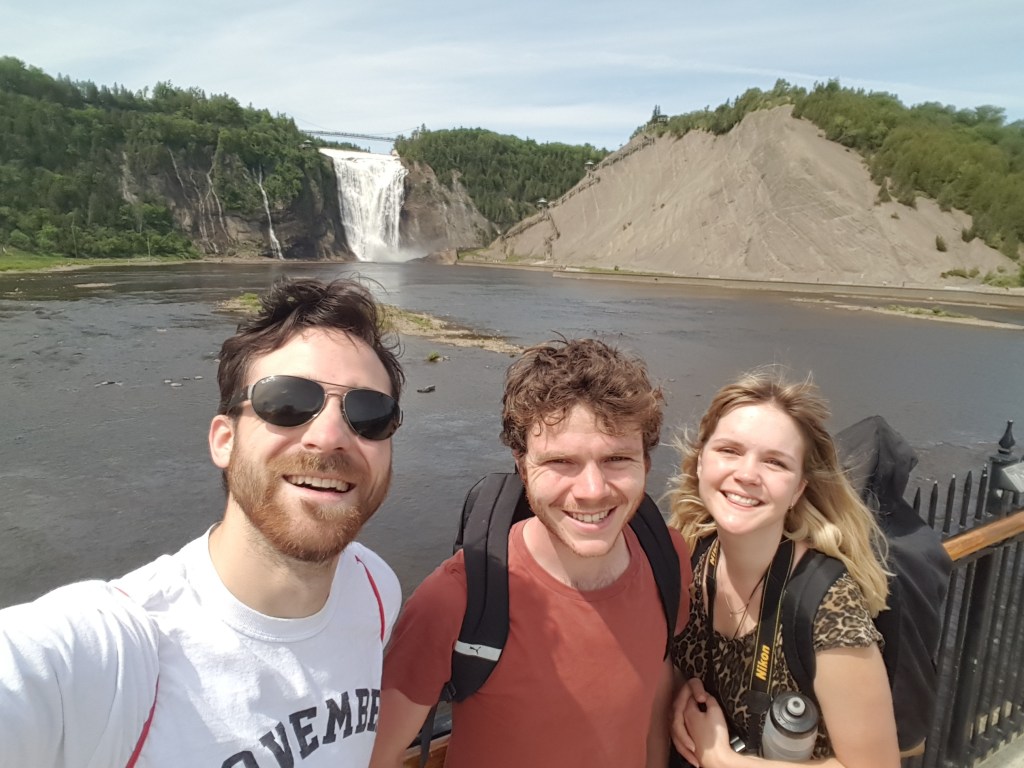
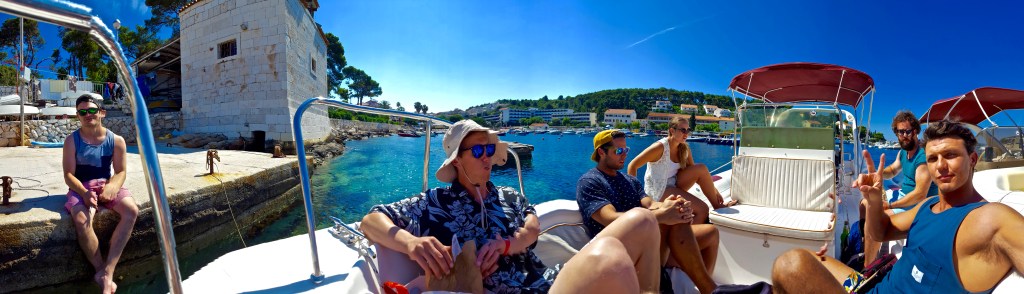
- Memorable Group Outings: Whether it is biking to Montmorency Falls in Quebec City, taking a boat trip to caves in the Adriatic off the coast of Croatia, or just grabbing a cheap local meal, the shared activities found in hostel settings create instant bonds and unforgettable travel stories. Many hostels also organize their own tours, pub crawls, or cooking classes, making it even easier to join a group.
While Hostels can be a great option, there is also a wide range when it comes to style and quality. Make sure you do your research (hostelworld.com is a great option) to make sure the hostel matches your vibe and is as nice as you’d prefer.
2. Seek the Hostel Vibe Without the Bunk Beds
If you’ve moved past the phase of sharing a dorm room but still crave that effortless social energy, look for “grown-up” versions of the hostel experience. This means actively selecting properties—often boutique or independent hotels—that prioritize communal areas designed for interaction over simple private luxury.
- The Shared Table and Bar: A well-designed hotel bar, rooftop terrace, or even a co-working space can be a major catalyst for meeting people. The hotel should feel like a neighborhood hub, not just a place to sleep. Look for happy hours or communal dining options.
- The Right “Vibe”: Not all hotel bars are equal. You need to research hotels where the social areas are active, vibrant hubs rather than just quiet, dimly lit lounges. Read reviews that specifically mention the “energy” or “atmosphere” of the public spaces. Brands like The Hoxton and Ace Hotel, for example, have pioneered this concept, designing their lobbies to be local gathering spots.
- Activities & Programming: Modern social hotels will often host free events, like local craft workshops, film screenings, or guest chef dinners. These scheduled activities provide a non-awkward reason for travelers to congregate and start a conversation.
3. Choose Destinations with “Limited Capacity”
When you travel to remote places where space, logistics, or activity options are naturally limited, you are almost guaranteed to run into the same people multiple times, which quickly builds familiarity.
- Repeat Encounters: In remote areas like the Galapagos Islands, Antarctica, or the Everest Base Camp trekking route, there are often only a few primary towns, central spots for drinks and dining, or overnight stops.
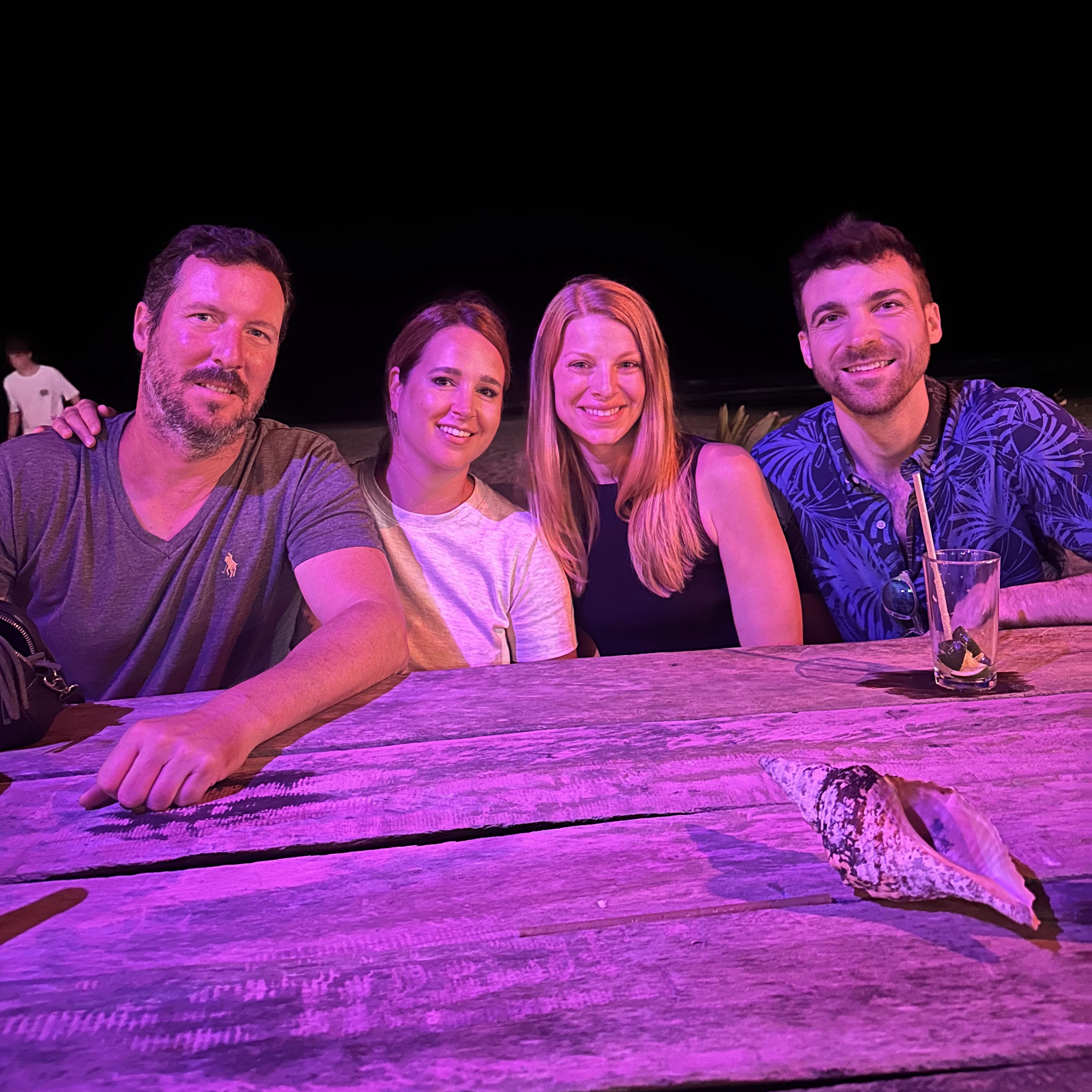
- Natural Bonding: Because everyone follows similar island-hopping or exploration itineraries, you end up making friends over shared snorkeling trips, sunset drinks on the beach, or the morning bus ride to the next trail. You’ve all gone through the same effort to reach a remote place, creating an immediate, shared experience.
- Fewer Options, More Friends: Limited bars and restaurants mean you have ample chance to reconnect with people you saw earlier in the day, turning a brief meeting into a sustained acquaintance.
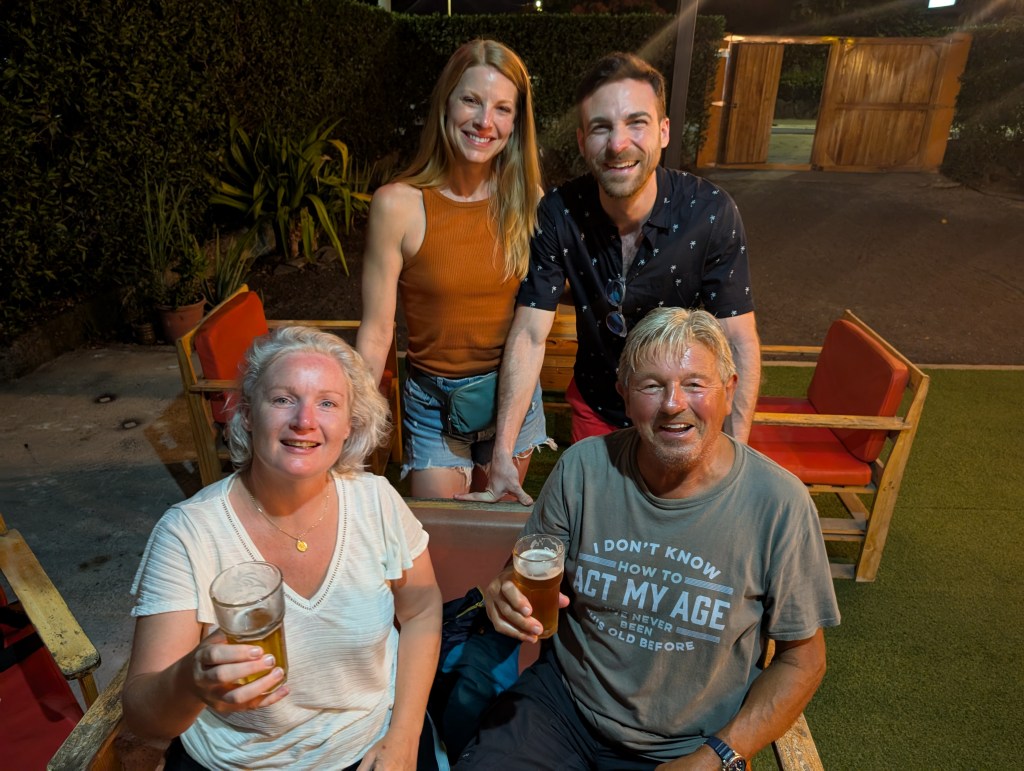
I know making friends abroad can feel like asking somebody out on a date – it’s not easy to muster the courage. But the upside of gaining a new friend with incredible new shared experiences is always worth it. An easy place to start is just by letting them know where you’ll be at any given point of time, whether it’s offering a seat at a bar that evening or grabbing a latte the following morning. Framing it as an open invitation minimizes pressure on both of you.
4. Opt for Shared Adventures and Safaris
High-engagement activities naturally break the ice and provide an immediate topic of conversation, eliminating the need for small talk.
- The Safari Setup: Safaris, particularly those at smaller, more intimate camps, are excellent for solo travelers. You share jeeps for game drives, eat at communal tables, and unwind together at a shared lodge after a long day.
- Shared Highs: Witnessing something intense—like lions hunting on the savanna or a powerful glacier calving—is a powerful bonding experience that creates an instant connection with the person sitting next to you. The adrenaline and shared amazement are a shortcut to friendship.
- Trekking Routes: On multi-day treks, such as the Inca Trail or routes in Nepal, you will often see the same faces at every lunch stop and overnight teahouse. The more you run into someone on the trail, the stronger the connection feels, rooted in mutual respect for the physical challenge. It’s low pressure, low anxiety, and makes the experience all the richer.
5. Know What to Avoid
Choosing the right “basecamp” also means knowing which environments to skip to avoid feeling like an outsider or finding the social energy lacking.
- Couples’ Retreats: All-inclusive resorts, especially those advertised specifically for couples or families, often mean guests are strictly focused on their own small groups and are not looking to mingle. The dining and entertainment are typically structured for private time.
- Closed Circles: These travelers are usually there to spend quality time with their loved ones, not to meet new friends, which can make a solo traveler or a couple looking to socialize feel more isolated. Look for hotels that promote a community environment, not a completely secluded one.
5 Amazing Hotels for Social Travelers
If you’re ready to book, these five properties are among the gold standard for communal luxury.
Asia: Nihi Sumba – Sumba, Indonesia
Nihi Sumba is often ranked among the best hotels in the world, not just for its luxury, but for its “remote communal” vibe. While it offers private villas, the heart of the resort is the Boathouse and the main dining area, where guests naturally congregate.
- Why it’s great for socializing: The resort centers on shared adventures, such as group surfing sessions, communal sunset cocktails, and the “Spa Safari,” where guests often spend the day together in a secluded valley. Because of its remote location, there is a strong sense of camaraderie among the travelers who make the journey there.
Europe: The Hoxton, Holborn – London, UK
The Hoxton brand pioneered the “open-house” hotel concept, turning the lobby into a neighborhood hub. The Holborn location is particularly vibrant, bridging the gap between a high-end boutique hotel and a social club.
- Why it’s great for socializing: Unlike traditional luxury hotels where guests retreat to their rooms, The Hoxton’s lobby is designed to be lived in. With large communal tables, a bustling bar, and frequent “Hox How-To” events (classes, talks, and mixers), it is one of the easiest places in London to strike up a conversation with both locals and fellow travelers in a low-pressure environment.
North America: The Caves – Negril, Jamaica
The Caves is an iconic boutique resort perched on the limestone cliffs of Negril. It is known for its intimate, hand-crafted atmosphere that trades traditional hotel hallways for volcanic stone paths and secret coastal grottos.
- Why it’s great for socializing: Because the resort is small and all-inclusive, it feels more like an exclusive private club than a massive hotel. The social heart of the property is the Blackwell Rum Bar, located inside a natural sea cave. It’s a spectacular setting that naturally draws guests together for sunset drinks. The resort also features communal-style dining options and small-group cliff-diving sessions. For a solo traveler, the relaxed, “laid-back luxury” vibe makes it very easy to join other guests for a drink or a meal without it feeling forced, often attracting a global crowd of creative and adventurous professionals.
Africa: Giraffe Manor – Nairobi, Kenya
While famous for the giraffes that poke their heads through the windows, this historic manor functions more like an intimate house party than a standard hotel.
- Why it’s great for socializing: The manor has a limited number of rooms, and meals are often served at a large communal table in the mahogany-paneled dining room. Sharing breakfast with giraffes is a massive “ice-breaker,” and because everyone is there for the same bucket-list experience, the atmosphere is inherently friendly and conversational.
South America: Explora Patagonia – Torres del Paine, Chile
Located in the heart of the National Park, Explora focuses on “the luxury of the essential.” It is an all-inclusive lodge where the experience is centered on daily guided explorations.
- Why it’s great for socializing: Every evening, guests meet with guides in the bar area to plan the next day’s excursions. These small-group hikes and horseback rides (usually 4–8 people) naturally lead to deep bonds. After a day of trekking, the shared “Explorer’s Bar” becomes the central meeting point where solo travelers swap stories of their sightings and achievements over Chilean wine.
Ready to Go Solo?
Traveling by yourself is one of the most rewarding things you can do, but I know the logistics and the “social anxiety” of it all can be a barrier. You shouldn’t let the fear of being alone stop you from seeing the world.
If you’re worried about traveling solo or need help finding a destination where you’ll feel right at home, reach out to LazGo! I’d love to help you plan an itinerary that balances your independence with the perfect amount of social connection.


Leave a Reply