
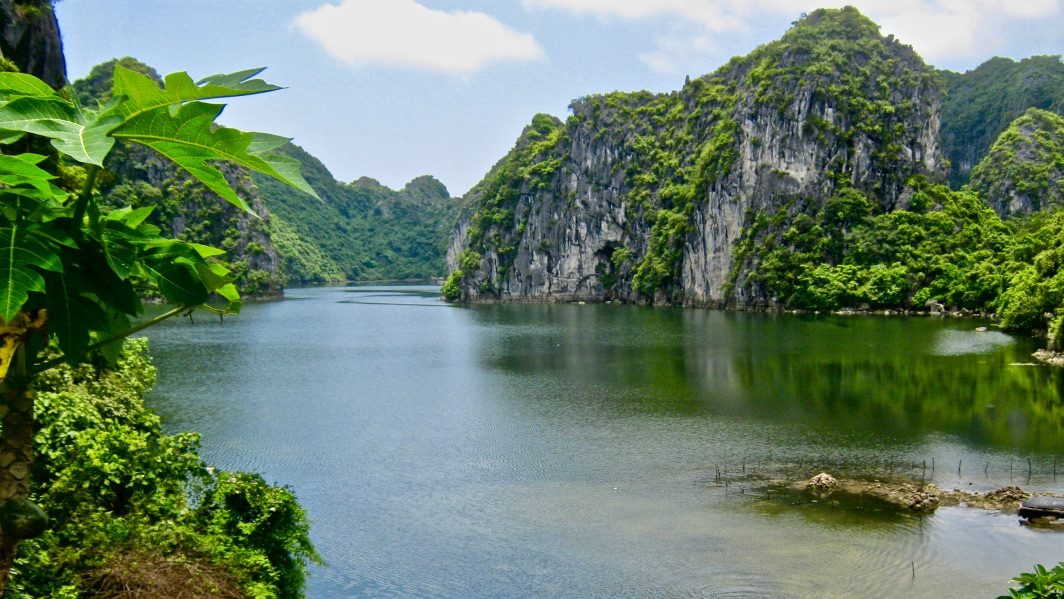
Vietnam is a land defined by its “S” shape and a staggering diversity of landscapes that transition from the mist-shrouded northern peaks of Sapa to the emerald waterways of the Mekong Delta. It is a country where centuries-old traditions, like the water puppetry of the Red River Delta, collide with the frenetic energy of millions of motorbikes zipping through modern metropolitan streets. Whether you are navigating the world’s largest caves in Phong Nha, savoring a creamy egg coffee on a tiny plastic stool in Hanoi, or watching the sunset from a Saigon rooftop, Vietnam offers a sensory-rich experience that balances raw natural wonder with deep cultural resilience.
Major Cities
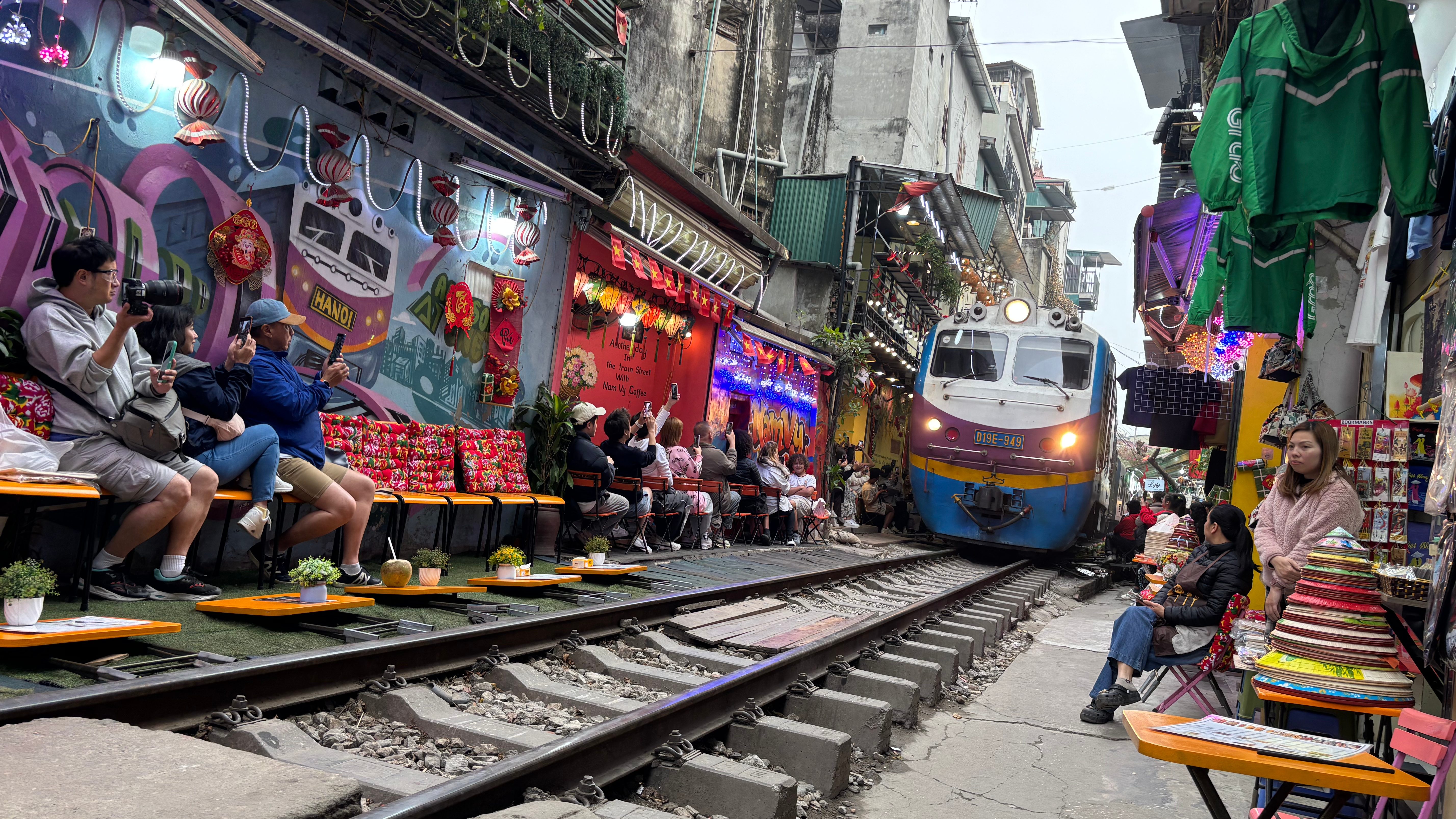
- Hanoi: The northern capital is defined by its colonial architecture and the chaotic charm of the Old Quarter. It serves as the cultural heart of the country, where traditional water puppet theater and Confucian temples meet a burgeoning specialty coffee scene.
- Ho Chi Minh City (Saigon): The southern economic powerhouse offers a more modern, fast-paced atmosphere. It is characterized by soaring skyscrapers, rooftop bars, and significant historical sites like the War Remnants Museum and the Independence Palace.
Regional Highlights
- Ha Long Bay: A UNESCO World Heritage site famous for thousands of limestone karsts rising from emerald waters. Overnight cruises are the standard method for exploration.
- Sapa: Located in the Hoang Lien Son Mountains, this region is known for its dramatic rice terraces and trekking opportunities through ethnic minority villages.
- Hoi An: This exceptionally well-preserved Ancient Town features lantern-lit streets and a world-renowned tailoring industry. It represents a slower pace of life focused on heritage and riverside dining.
Hidden Gems
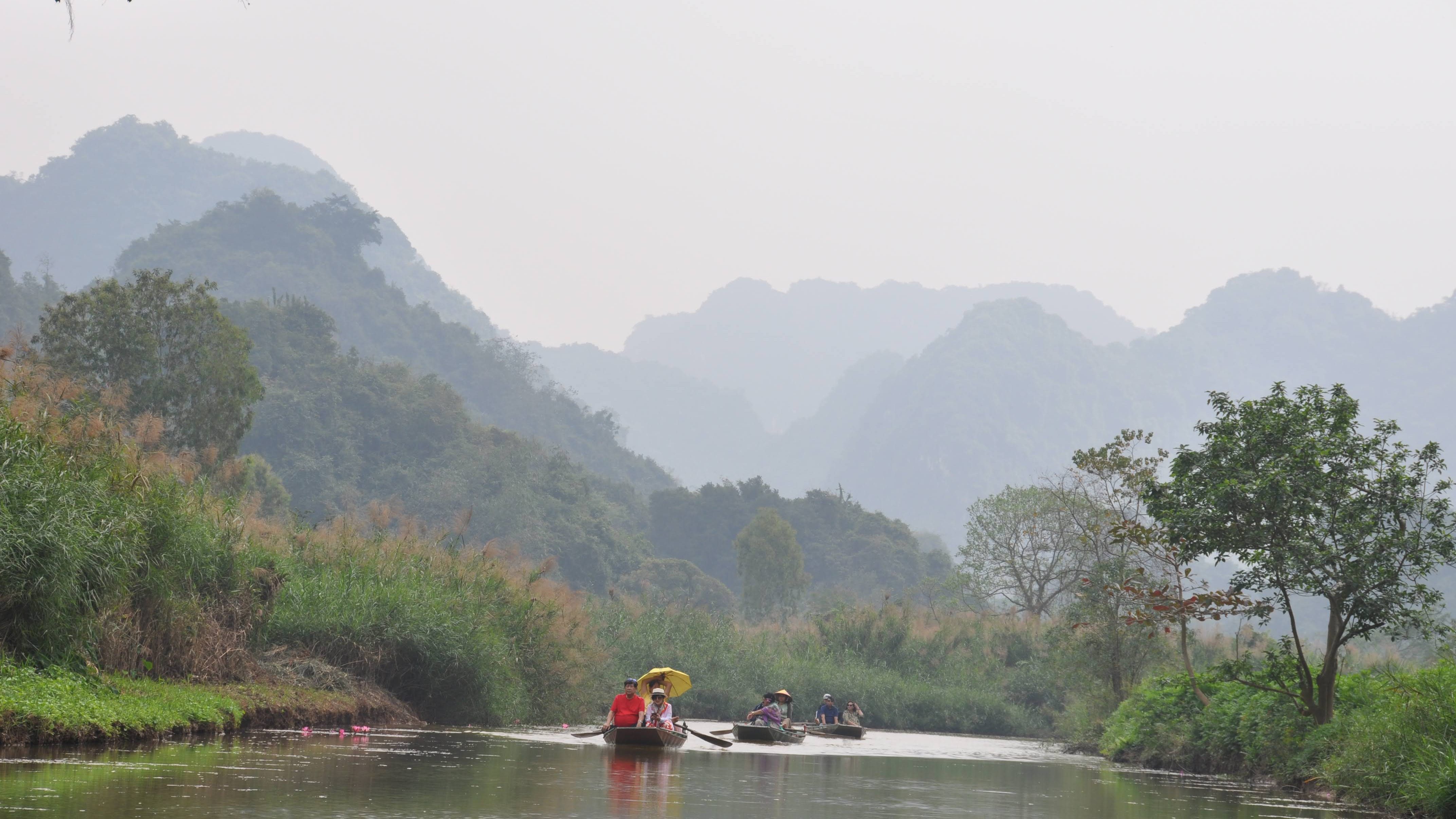
- Ninh Binh: Often called “Ha Long Bay on Land,” this province features similar limestone formations surrounded by river-crossed rice paddies. Rowing boat tours through the Trang An or Tam Coc grottoes offer a quieter alternative to the coast.
- Cat Ba Island: Situated on the edge of Lan Ha Bay, Cat Ba provides a more rugged, less commercialized base for exploring the karst landscapes. Much of the island is a national park, offering hiking and rock climbing alongside its beaches.
The Food Scene
Vietnamese cuisine is defined by the balance of five fundamental tastes: spicy, sour, bitter, salty, and sweet.
- Street Food: High-quality meals are found on sidewalks, ranging from Pho (noodle soup) and Banh Mi (baguettes) to Bun Cha (grilled pork with noodles).
- Regionality: The north favors savory and subtle flavors, the central region (Hue/Hoi An) is known for spice and complex appetizers, and the south leans toward sweeter profiles and fresh herbs.
Traveler Safety & Budget
- Safety: Vietnam is generally considered safe for solo and group travelers. Petty theft, such as bag snatching in crowded areas of Ho Chi Minh City, is the most common concern. Violent crime against tourists is extremely rare.
- Budget:
- Low (Backpacker): $30–$50 USD/day (Hostels, street food, local transport).
- Mid-Range: $60–$120 USD/day (Boutique hotels, sit-down restaurants, domestic flights).
- Luxury: $200+ USD/day (Five-star resorts, private tours).
Travel Seasons
Vietnam’s elongated shape creates three distinct weather patterns, making it a year-round destination depending on the region:
- High Season (November – March): Generally the best weather across the country. The north is cool and dry, while the south is warm. Prices are at their peak.
- Shoulder Season (April – May, September – October): These transitional months offer a balance of manageable temperatures and lower crowds.
- Low Season (June – August): Characterized by high heat and humidity, with frequent monsoon rains. This is the most affordable time to travel.
Plan Your Vietnamese Adventure
Whether you are looking to trek the northern highlands or find the perfect tailor in Hoi An, Vietnam offers an unparalleled depth of experience for every type of traveler. The logistics of navigating three distinct climate zones and a vast array of regional cuisines can be daunting, but the rewards are immense. Reach out today to start crafting a custom itinerary that captures the best of the “S-shaped land” while avoiding the tourist traps.


Leave a Reply