
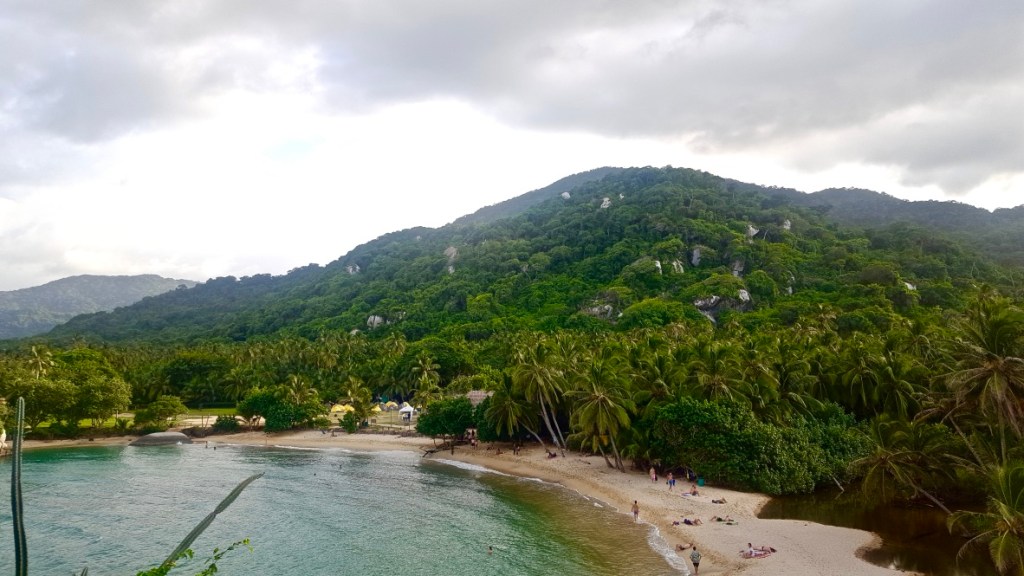
The northern coastline of Colombia is a region defined by its contrasts, where the heavy, humid heat of the Caribbean meets the snowy mountain peaks of the Sierra Nevada de Santa Marta. Shaped by a deep, complex history, this region is an intersection of indigenous cultures, centuries of Spanish colonial rule, and profound Afro-Colombian traditions rooted in nearby communities like San Basilio de Palenque. It is a territory where tropical ecosystems collide with historic architecture, making it a premier choice for travelers seeking an immersive, all-seasons tropical escape.
This coastal stretch holds a highly personal resonance for me. Almost 10 years ago, I traveled here and became instantly captivated by the walled fortifications, the rhythm of cumbia music in the squares, and the sheer density of the jungle canopy. Now, digging back into the logistics of these northern areas has reawakened that same fascination. Seeing how the luxury eco-lodges have evolved and learning more about the preservation of the Sierra Nevada has deepened my desire to dig further into this landscape, proving that it demands rigorous, meaningful exploration.
Cartagena and the Rosario Islands: Colonial Romance and Coral Reefs
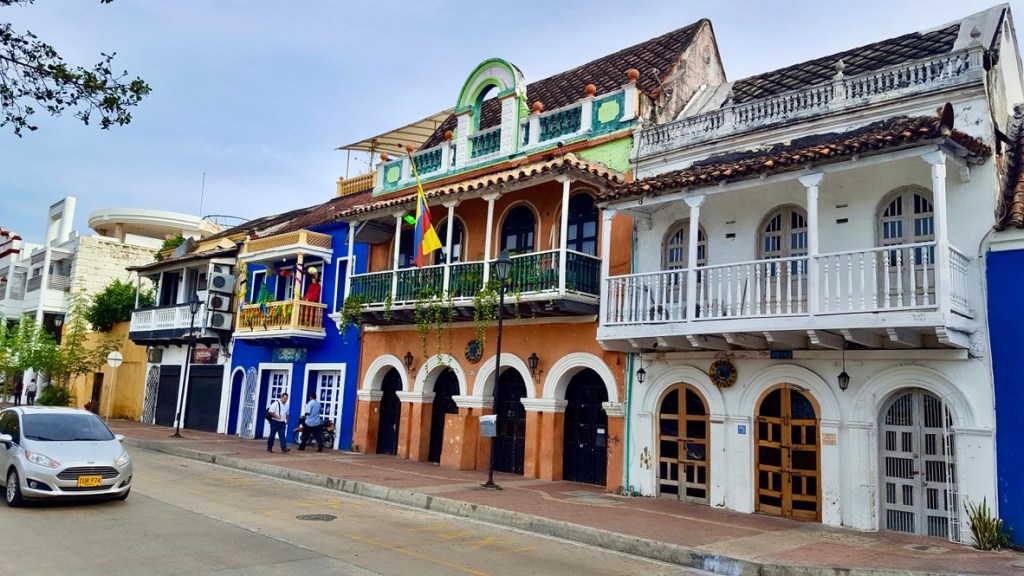
Cartagena is a visual masterpiece, celebrated for its brilliantly preserved UNESCO-listed historic center and a high-contrast skyline where historic stone bastions border the sleek towers of Bocagrande. The city’s pulse is driven by a vibrant open-air street culture, balanced by refined modern dining and an active arts scene.
Primary Sites and Activities
- The Walled City and Getsemaní: Walking the historic, flower-draped lanes of the Old City feels like stepping inside a living museum. Just outside the walls, the art-filled, bohemian neighborhood of Getsemaní offers a vibrant look at local street art, independent cafes, and lively neighborhood plazas.
- Castillo San Felipe de Barajas: This massive 17th-century fortress is the greatest complex of Spanish military engineering in the Americas. Exploring its network of underground tunnels provides panoramic views across the city and the Caribbean bay.
- The Rosario Islands: Located 45 minutes by speedboat from the city harbor, this archipelago of 28 islands is a sanctuary for coral reefs and clear turquoise waters. Private boat charters offer an essential escape from the city’s crowded public beaches to snorkel and dive in pristine marine habitats.
Season-Dependent Nuances
The optimal window aligns with the dry season (December to April), when coastal breezes cool the city streets. The wet season (May to November) brings higher humidity and intense afternoon cloudbursts, though it remains highly functional for travel if you schedule indoor activities or fortress tours during mid-afternoon rain windows.
Premier Accommodations
- Sofitel Legend Santa Clara: Occupying a converted 17th-century convent in the heart of the Old City, this iconic property seamlessly pairs historic grandeur with French-inspired luxury.
- Casa San Agustín: This intimate boutique hotel links three colonial mansions around a dramatic courtyard pool framed by ancient stone arches.
- Four Seasons Hotel Cartagena: Set within a beautifully restored cluster of historic buildings in the Getsemaní neighborhood, this new addition brings a sleek modern aesthetic and premium wellness terraces to the city center.
Santa Marta and the Sierra Nevada: Coastlines and Cloud Forests
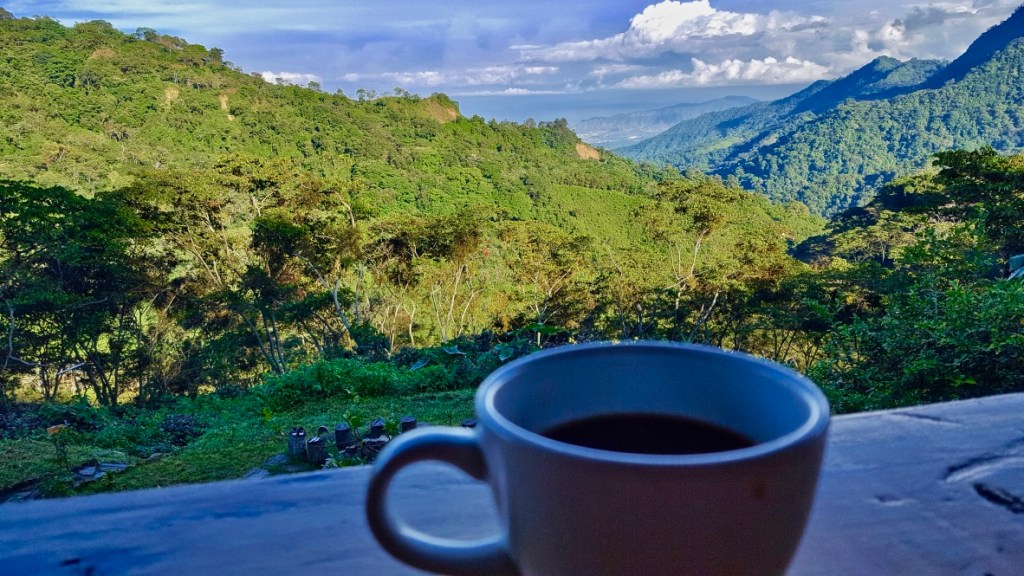
As the oldest surviving city in South America, Santa Marta serves as the logistical gateway to the Sierra Nevada—the highest coastal mountain range on Earth. The geography here allows you to transition from arid, desert-like coastal bays to mist-shrouded cloud forests in under an hour.
Primary Sites and Activities
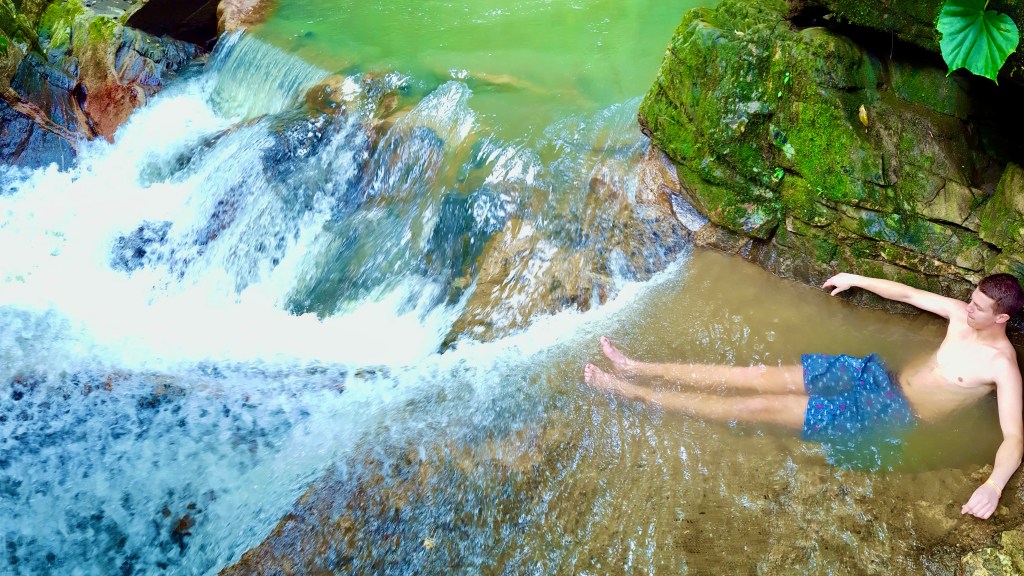
- The Mountain Village of Minca: Tucked into the foothills of the Sierra Nevada, this ecological enclave is famous for its organic coffee fincas, cacao plantations, and crystalline mountain waterfalls like Marinka.
- Quinta de San Pedro Alejandrino: The historic hacienda where Simón Bolívar spent his final days offers a quiet, shaded retreat filled with century-old trees, botanical gardens, and contemporary art galleries.
- High-Alpine Trekking: For serious adventurers, Santa Marta is the staging ground for the multi-day trek to the Lost City (Ciudad Perdida), an ancient archaeological site built by the Tayrona civilization long before Machu Picchu.
Season-Dependent Nuances
While the coast stays consistently hot, the mountain air in Minca requires cooler layers year-round. Visiting during the transitional months (May and October) can make the unpaved mountain tracks muddy and difficult to navigate, making the dry winter months highly preferable for hiking and bird watching.
Premier Accommodations
- Casas Viejas by Masaya (Minca): Perched high on a ridge within a working coffee farm, this eco-lodge stands out for its infinity pool and sweeping views across the mountain peaks.
- Mundo Nuevo Eco-Lodge (Minca): Anchored heavily in permaculture and sustainable education, this high-altitude retreat offers panoramic sunset vistas and immersive indigenous cultural tours.
Tayrona National Park: Where Jungle Meets the Caribbean
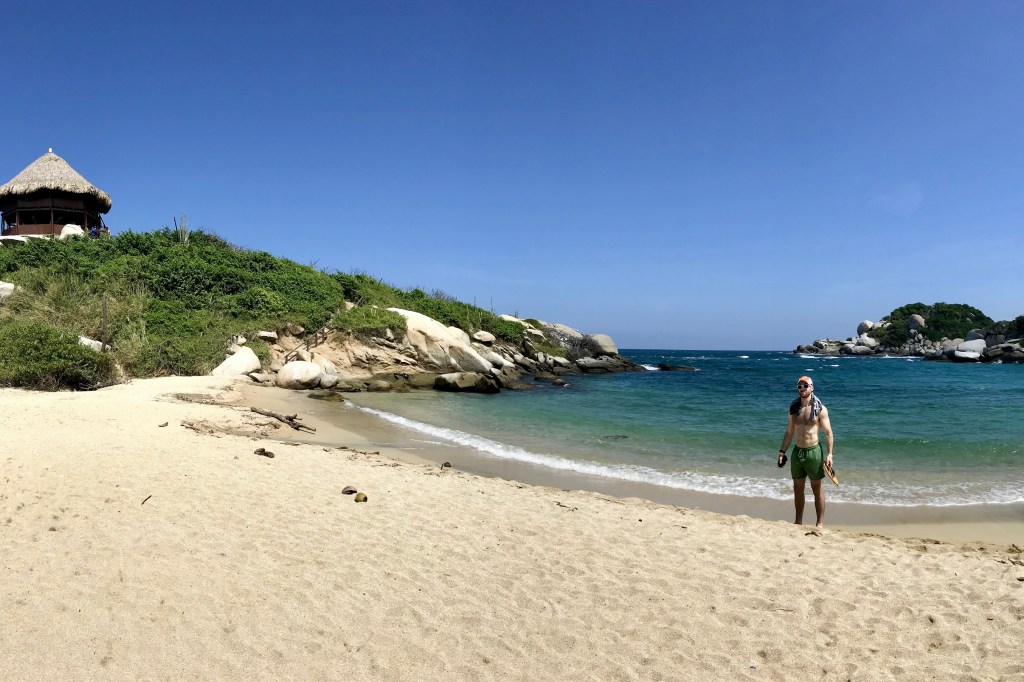
Tayrona is a wild expanse where the foothills of the Sierra Nevada slide directly into the sea, creating a landscape of deep coconut groves, massive granite boulders, and pristine, untamed beaches. It is a highly active destination requiring physical exploration to uncover its best corners.
Primary Sites and Activities
- Cabo San Juan and La Piscina: These iconic beaches are reached via a multi-hour hike through coastal rainforests. La Piscina offers a protected reef barrier perfect for swimming, while the iconic hammock pavilion at Cabo San Juan provides quintessential Caribbean views.
- Wildlife Tracking: Hiking the park’s established trails provides consistent opportunities to spot wild cotton-top tamarins, howler monkeys, caimans, and blue morpho butterflies flashing through the dense jungle canopy.
Season-Dependent Nuances
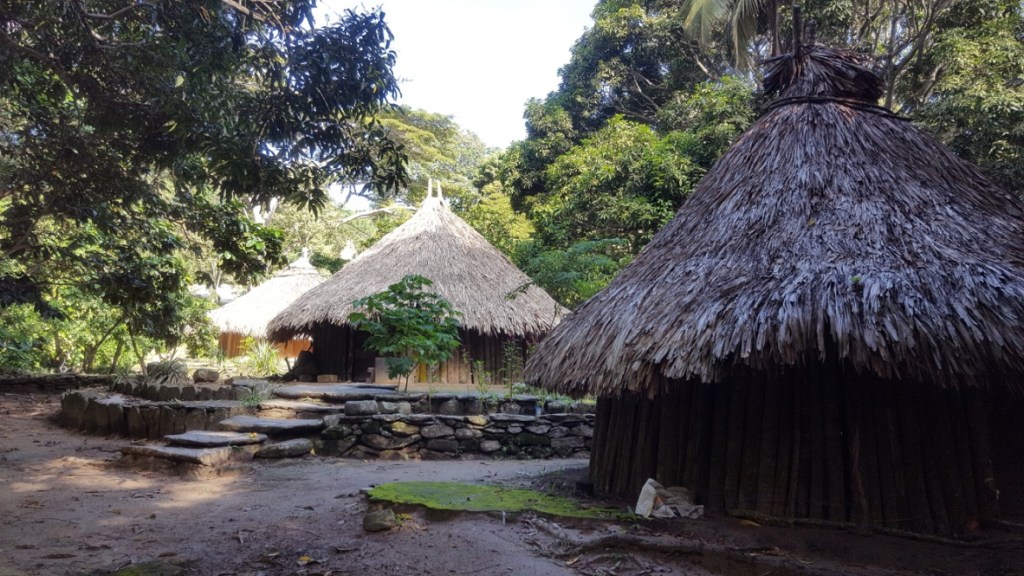
Critical Note: Tayrona National Park closes completely for multi-week periods during the year (typically in February, June, and October) to allow the ecosystem to regenerate and to let the indigenous communities perform spiritual cleansings. Verify these before finalizing any northern itinerary.
Premier Accommodations
Ecohabs Tequendama Parque Tayrona: Located directly inside the park borders, these luxury thatched-roof bungalows mimic traditional indigenous architecture while providing modern comforts and private ocean views.
Senda Watapuy: Positioned just outside the park’s primary El Zaino entrance, this barefoot-luxury retreat offers private plunge pools and open-air designs surrounded by tropical jungle.
Culinary Scene, Safety, and Budgeting
The Food Scene
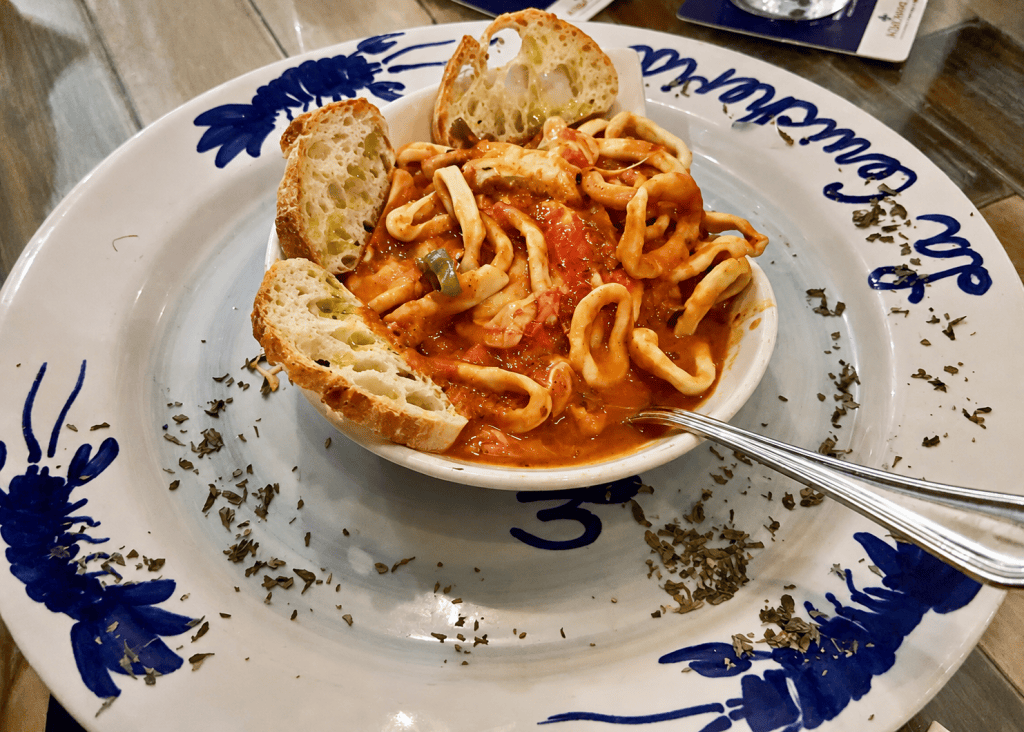
Caribbean Colombian cuisine relies on fresh seafood, tropical starches, and coconut milk. Sidewalk stalls and fine dining rooms alike serve arroz con coco (sweet coconut rice), fried snapper, and patacones (double-fried plantains). Do not miss the arepa de huevo (a corn cake stuffed with egg and meat) or the array of hyper-local street fruits like lulo and guanábana. Special shout-out to the incredible ceviche at La Cevicheria in Cartagena.
Traveler Safety & Logistics
The coastal loop is highly established and safe for international travelers. Petty theft remains the primary concern in busy urban spaces like central Santa Marta and Cartagena’s crowded beaches. Exercise high situational awareness: avoid walking alone at night outside the walled fortifications, utilize registered private transfers or radio taxis, and pack light, moisture-wicking gear suitable for intense tropical humidity.
Budget Overview
Colombia remains one of the most cost-effective and high-value destinations in the Americas, particularly when compared to other regional heavyweights. A standard mid-range itinerary here, including boutique accommodations, transportation, high-quality meals, and guided activities, typically costs about half of what you would spend on a similar trip to Costa Rica or Belize. While those popular hubs have seen prices escalate significantly due to heavy commercialization, Colombia’s favorable exchange rate keeps daily outlays incredibly low.
While premium tourist areas like Cartagena’s historic center command a luxury premium, the overall purchasing power for international travelers remains exceptionally high, so you can easily scale up to top-tier private villas, chartered boat excursions, and fine dining for a fraction of what those cost elsewhere.
Plan Your Caribbean Exploration
The true allure of coastal Colombia lies in the seamless harmony between its historic urban centers and its raw, unprotected wilderness. You can start your week sipping rum cocktails on a 400-year-old stone rampart, spend the next afternoon tracking toucans through a mountain cloud forest, and finish your journey sleeping in an eco-lodge on the edge of a wild Caribbean bay. Orchestrating the fine details of boat charters, park closure schedules, and exclusive boutique bookings requires dedicated planning. Reach out to LazGo Travel today to utilize my expertise and industry partnerships, and let’s shape an authentic, tailored Colombian expedition designed just for you.


Leave a Reply