
For nearly a century, one little red book ruled the culinary world. The Michelin Star has long been the ultimate arbiter of gastronomic genius. A chef would spend decades chasing a single star, knowing that losing one could spell disaster. But, today’s travelers look beyond excellent meals to find complete, immersive experiences. Recognizing this, in 2024, they launched the Michelin Key, a rating system designed to do for hotels exactly what their stars have done for restaurants.
However, there’s more to choosing restaurants and hotels than simply seeking out stars and keys. Let’s demystify what these awards mean, break down the tiers, dissect the valid criticisms, and establish a framework to research these places effectively.
Demystifying the Symbols: Stars, Keys, Bibs, and Selections
While sharing the same parent brand and anonymous inspection ethos, the criteria and practical applications of these distinctions diverge significantly.
The Culinary Universe (Restaurants)
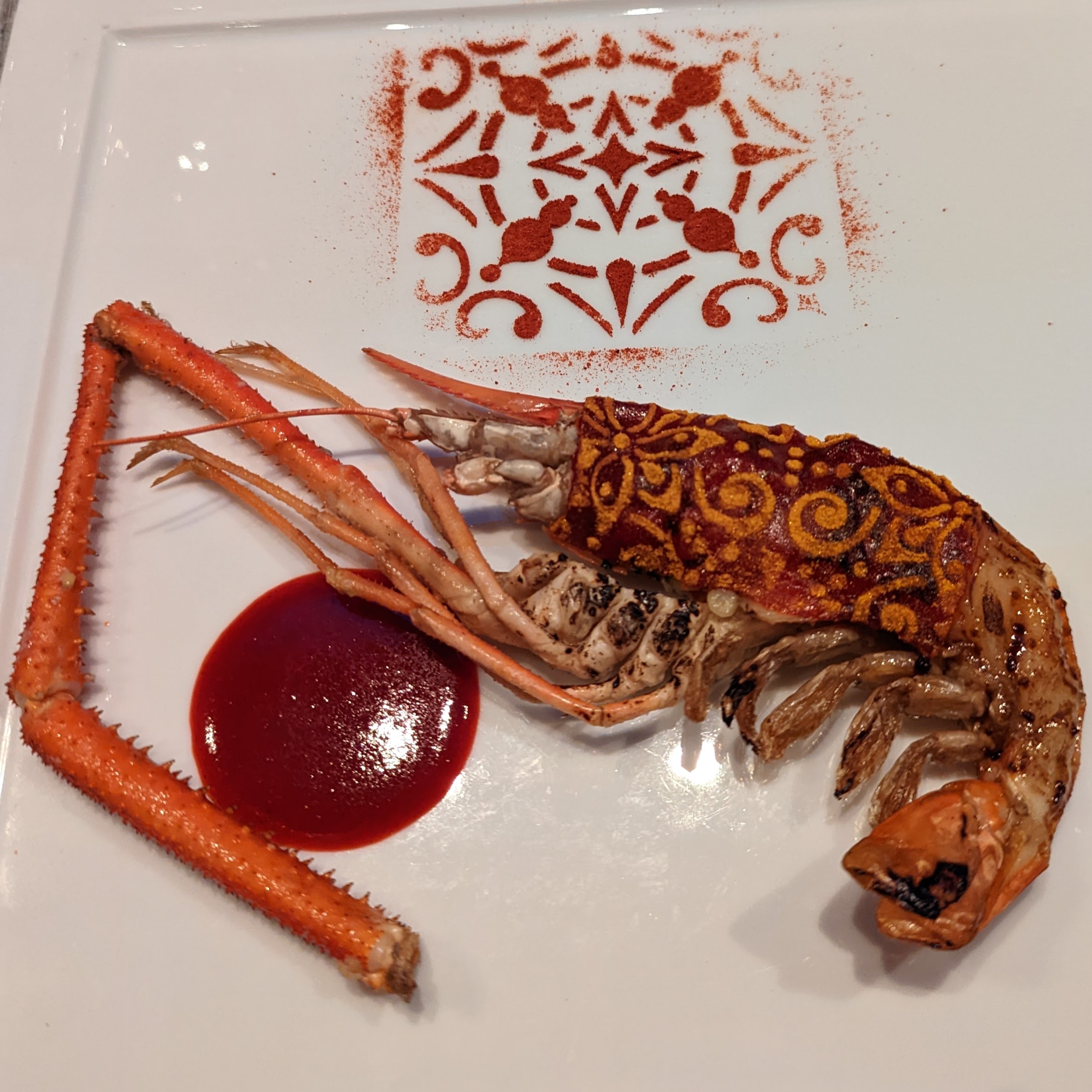
- The Michelin Star: A purely culinary accolade. Many diners assume a star evaluates the entire package—the linens, the service, and the view. But Michelin is consistent on this point: the star is on the plate, and only on the plate. Inspectors rate restaurants strictly on ingredient quality, technique mastery, flavor harmony, the chef’s culinary personality, and consistency over time.
- The Bib Gourmand: Named after Bibendum (the Michelin Man), this badge debuted in 1997. It’s explicitly not a consolation prize; it recognizes exceptionally good food at moderate, accessible prices. Rather than evaluating complex, hyper-delicate tasting menus, the Bib favors comforting, recognizable, and deeply satisfying food you could eat week after week.
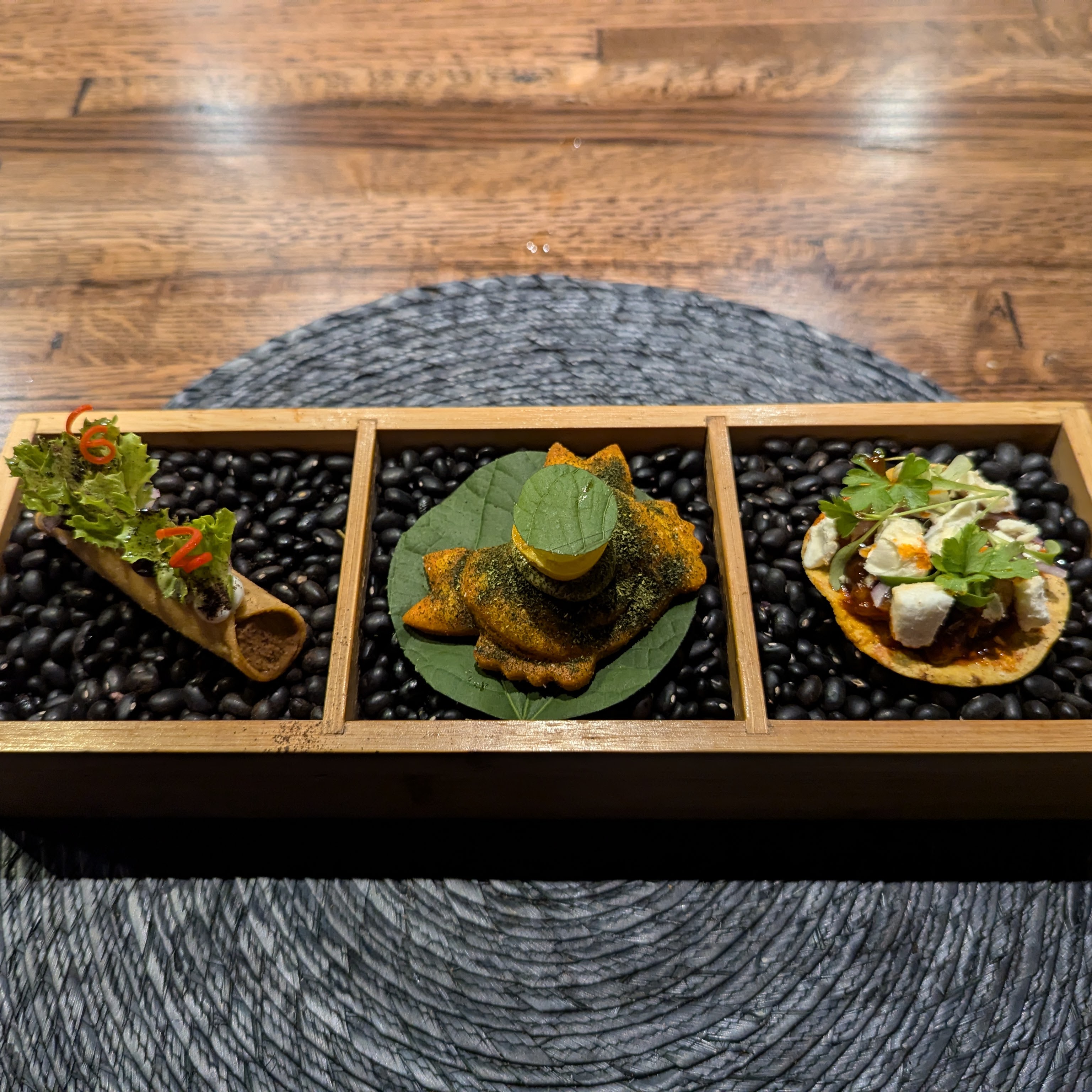
- Michelin-Selected Restaurants: Establishments officially listed in the guide without a Star or a Bib. These spots are analyzed using the exact same quality criteria. They represent a baseline guarantee that the kitchen is highly skilled, ingredients are fresh, and the experience is thoroughly vetted. They are also the breeding grounds for future Stars and Bibs.
The Hospitality Universe (Hotels)
- The Michelin Key: The hotel counterpart to the star. Unlike the culinary star, a Michelin Key evaluates design, personality, and service. It highlights hotels that offer experiences far beyond a mere room for the night.
- Michelin-Selected Hotels: The base tier of Michelin’s hotel universe. Out of thousands of hotels evaluated globally, simply making this list means a property has been judged an absolute standout in style, service, and character compared to generic chain templates.


The Big Distinction: Do Keyed hotels always have Starred restaurants? Not necessarily! The hotel and restaurant selections are managed by distinct inspectors and decided independently. A Michelin Star restaurant might reside in a Michelin Key hotel, but one doesn’t guarantee the other.
The Tiers: Which Distinction Fits Your Trip?
Understanding these levels allows you to match the award to your specific budget, mood, and travel goals.
The Restaurant Hierarchy
| Distinction | Michelin Definition | Best Suited For… |
| 3 Michelin Stars | Exceptional cuisine, worth a special journey. | True culinary pilgrims. Fine art dining where you plan entire vacations around a single booking. |
| 2 Michelin Stars | Excellent cooking, worth a detour. | Culinary enthusiasts and milestone celebrations where the meal is the central event. |
| 1 Michelin Star | High-quality cooking, worth a stop. | Curious foodies looking for elite local flavors without a four-hour dining marathon. |
| Bib Gourmand | High-quality cooking at reasonable prices. | Value-conscious diners, casual date nights, and authentic neighborhood food. |
| Michelin-Selected | Vetted dining experience of high quality. | Dependable, daily travel dining where you want excellent local food without the pretense or premium. |
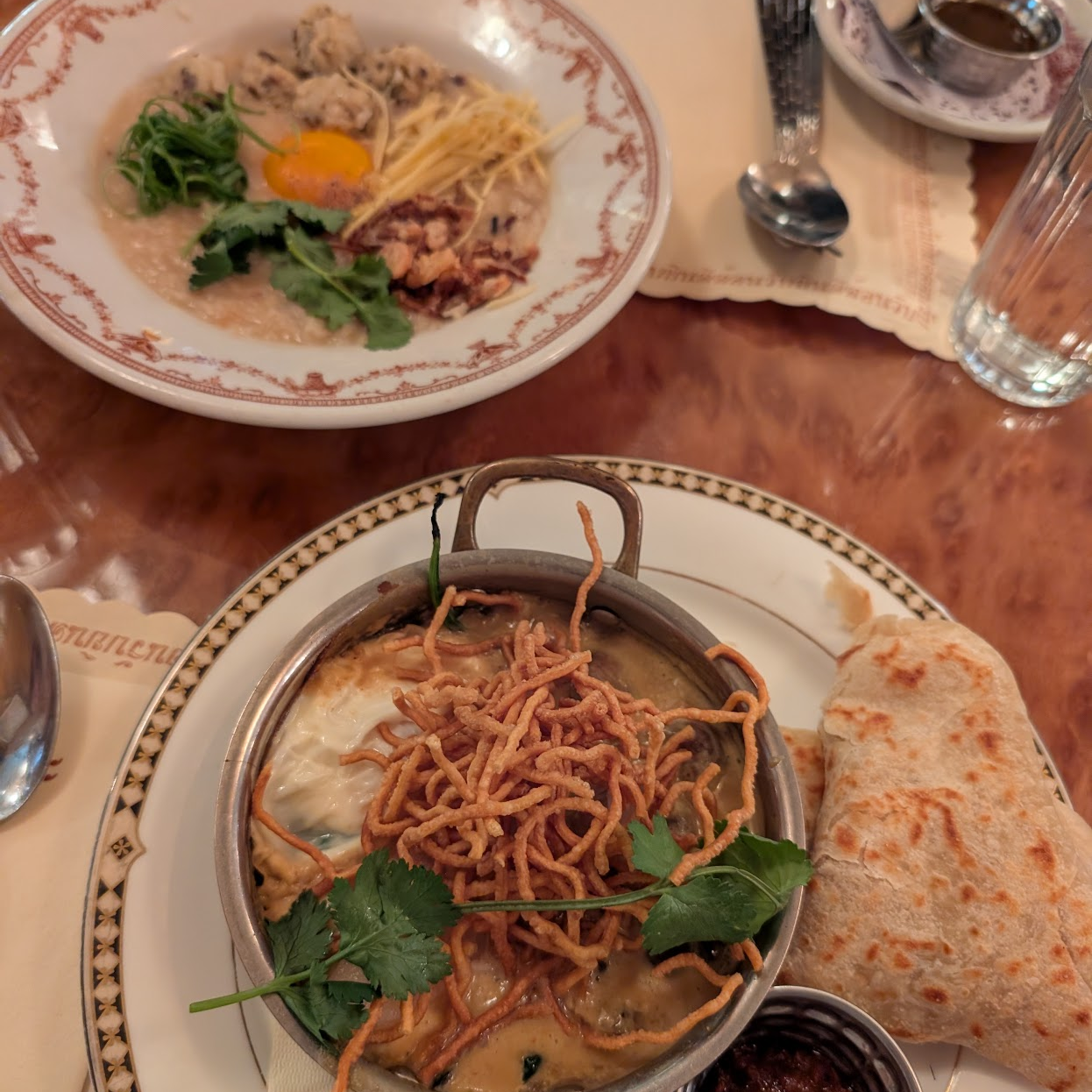
- The Value Play (Bib & Selected): If you want to bypass the high-maintenance theater of multi-course tasting menus, look here. A Bib Gourmand guarantees a full, high-quality meal within a realistic local price range (typically capped around $40–$50 USD depending on the market’s cost of living). Michelin-Selected spots are brilliant for experiencing excellent local bistros, casual tapas bars, or traditional noodle shops that inspectors love but don’t fit the rigid star template.
The Hotel Hierarchy
| Distinction | Michelin Definition | Best Suited For… |
| 3 Michelin Keys | An extraordinary stay. | Once-in-a-lifetime luxury seeking, where the property is the destination itself. |
| 2 Michelin Keys | An exceptional stay. | Romantic getaways and design-focused trips where you intend to linger inside the hotel. |
| 1 Michelin Key | A very special stay. | Boutique lovers who want character, great service, and distinct local style. |
| Michelin-Selected | A verified hospitality standout. | Savvy travelers prioritizing location and high design without paying the ultra-luxury premium. |

The Reality Check: Caveats, Criticisms, and Alternatives
No rating system is perfect. Relying on it blindly can lead to disappointing, overly formalized experiences. To travel smart, you need to understand the blind spots of the Red Book.
The Main Criticisms of Michelin
- Eurocentric luxury paradigms: For decades, the guide heavily favored formal service structures and French-style execution. While Michelin has successfully expanded to include street stalls and casual formats, the core star system still inherently favors more upscale dining.
- Standardized Excellence: The extreme pressure on chefs and hoteliers to maintain their status can strip away the joy of hospitality. In an effort to keep their ratings, some establishments rely on safe, predictable luxury templates rather than taking bold creative risks.
- The “Michelin Tax”: The moment a restaurant gets a star or a hotel receives a key, demand and prices jump dramatically. You might find yourself paying a premium for a spot that was equally good, and far cheaper, months prior.

Excellent Alternatives to Consider
To keep your perspective balanced, cross-reference Michelin with other respected authorities:
- The World’s 50 Best (Restaurants & Hotels): Voted on by an international academy of industry insiders. It tends to favor high-concept, trend-setting, and visually dramatic establishments over Michelin’s traditional approach.
- La Liste: An objective aggregator that uses a global algorithm to synthesize reviews from hundreds of guidebooks, publications, and consumer review sites.
- Forbes Travel Guide: The gold standard for classic luxury hospitality ratings, using a strict, service-heavy 900-point checklist.
- Local Ratings Aggregators: These sites (Tabelog in Japan is a prime example) that are more frequently used by locals can be a great view into how locals actually view the cuisine at these restaurants.
How to Do Your Own Research: A Smart Traveler’s Playbook
Just because an establishment holds a Michelin badge doesn’t mean it’s the right fit for your specific travel style. Follow this practical checklist before reserving:
- Read the Inspector’s Review, Not Just the Symbol: Don’t just look at the emblem. Go to the official Michelin Guide app and read the detailed write-up. Why did they award it? Is a hotel praised for its historic, quiet library, or is it lauded for a high-energy rooftop scene? Make sure the specific reasons for the award align with what you actually want out of your experience.
- Cross-Reference with Raw Guest Feedback: Inspectors visit periodically under optimal conditions. To understand the day-to-day reality, check unfiltered, recent traveler reviews on platforms like Google Maps or specialized forums like Reddit. Look for recurring patterns. If several guests over the last few weeks complain about service declines or construction noise, trust the ground reality over an inspector’s visit from six months ago.
- Map the Location Yourself: One of Michelin’s key criteria for hotels is “a significant contribution to the neighborhood”. However, “sense of place” is entirely subjective. Open a map and look at the physical surroundings. Is the hotel truly walkable to the neighborhood sights you want to see, or is it isolated on an estate requiring lengthy transit rides?
- Evaluate the Vibe Compatibility: Ask yourself honestly: what makes you happy when you travel? If you prefer relaxed, warm, and highly intuitive service, a hyper-formal Keyed hotel with constant white-glove check-ins might feel suffocating. Similarly, if you love bold, comfort-driven local flavors, a classic, ultra-traditional Starred restaurant might feel clinical.
Conclusion: Using the Guide as a Compass, Not a Command
At the end of the day, the Michelin Guide represents an incredible tool for identifying human passion and creative execution. When used correctly, it can lead you to some of the most profound, emotionally resonant meals and stays of your life.
But it should never replace your own intuition. Travel is deeply subjective. A simple, unstarred local bistro, a brilliant Bib Gourmand hangout, or a family-run boutique hotel can easily provide a more magical, authentic memory than a hyper-polished, three-star palace. Use the Red Book as an inspiring compass to guide your journey, but always let your own tastes determine the final decisions.
As always, if this seems like too daunting a task, LazGo Travel is here to help you find your perfect fit while traveling, whether restaurants or hotels. We’ll handle all the research to ensure every reservation is perfect for you, so reach out to get your next trip booked!


Leave a Reply