
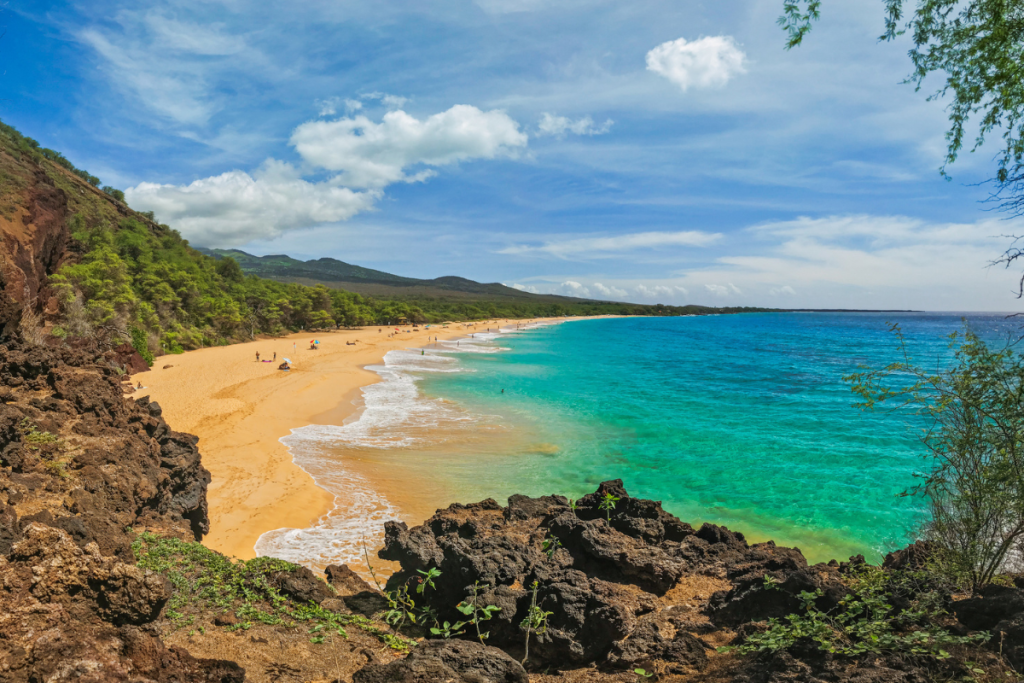
When someone tells me they want to go to Hawaii, one of my first questions is which island they’re thinking about. For a relatively small group of islands, Hawaii offers a surprising amount of variety. A vacation on Oahu can look completely different from one on Kauai or the Big Island.
While it’s tempting to visit as many islands as possible, every island transfer eats into your vacation time. In most cases, I’d recommend picking one or two islands based on what you actually want to do while you’re there.
Here’s how I’d decide which island to visit.
If you want great beaches, nice resorts, and a little bit of everything, choose Maui. Here’s why:
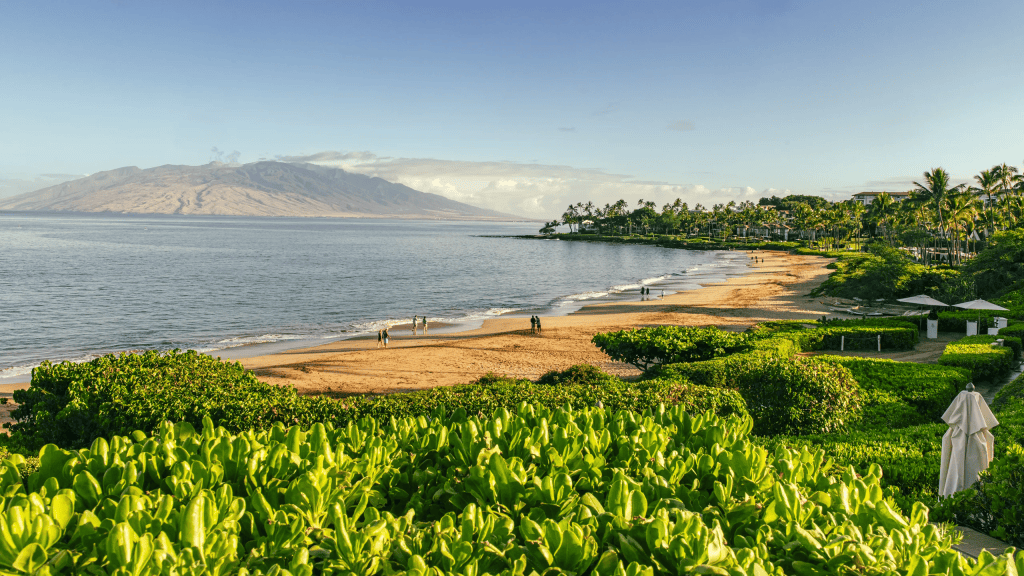
Maui is a great choice if you want a little bit of everything. You’ll find beautiful beaches and upscale resorts in Wailea and Kaanapali, but there’s also plenty to do if you want to get out and explore the island.
Get up early to watch the sunrise above the clouds at Haleakala, spend a day driving the winding Road to Hana and stopping at waterfalls, or take a boat out to see humpback whales in the winter. Maui also has some great farm-to-table restaurants. It’s a good fit for couples, honeymooners, and families who want a mix of relaxing and exploring.
If you want hiking, rainforests, and dramatic scenery, choose Kauai. Here’s why:
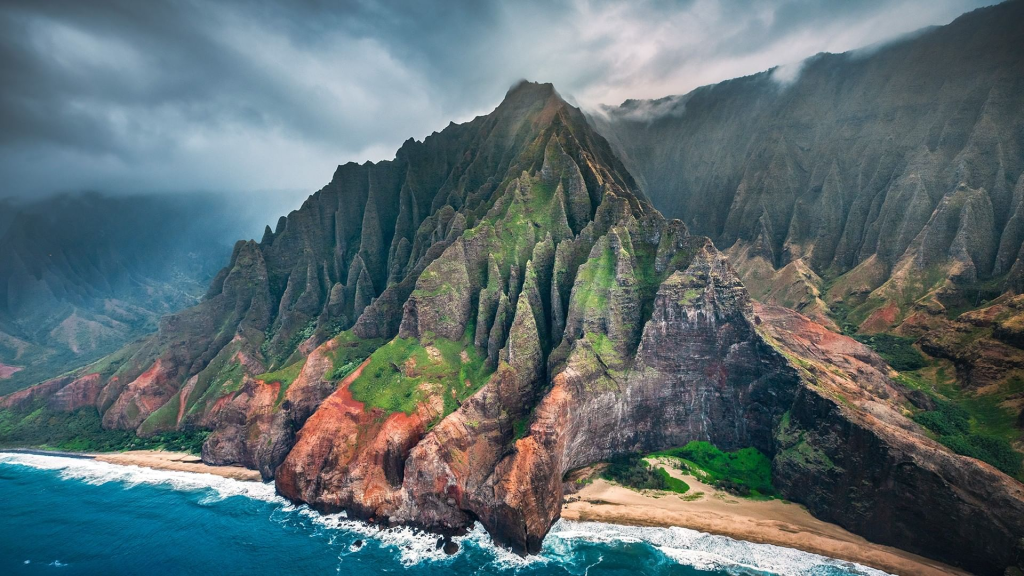
Kauai is the oldest of the main Hawaiian islands, and millions of years of erosion have given it steep cliffs, deep canyons, and plenty of waterfalls. If you’d rather spend your vacation hiking and kayaking than shopping or going out at night, this is the island I’d recommend.
The Na Pali Coast is one of the island’s biggest draws, with 17 miles of towering sea cliffs that you can see by hiking, boat, or helicopter. You can also hike in Waimea Canyon (the Grand Canyon of the Pacific), go tubing through old sugar plantation irrigation channels, or relax at Hanalei Bay or Poipu. Just don’t expect much nightlife.
If you want great food, surfing, and history, choose Oahu. Here’s why:
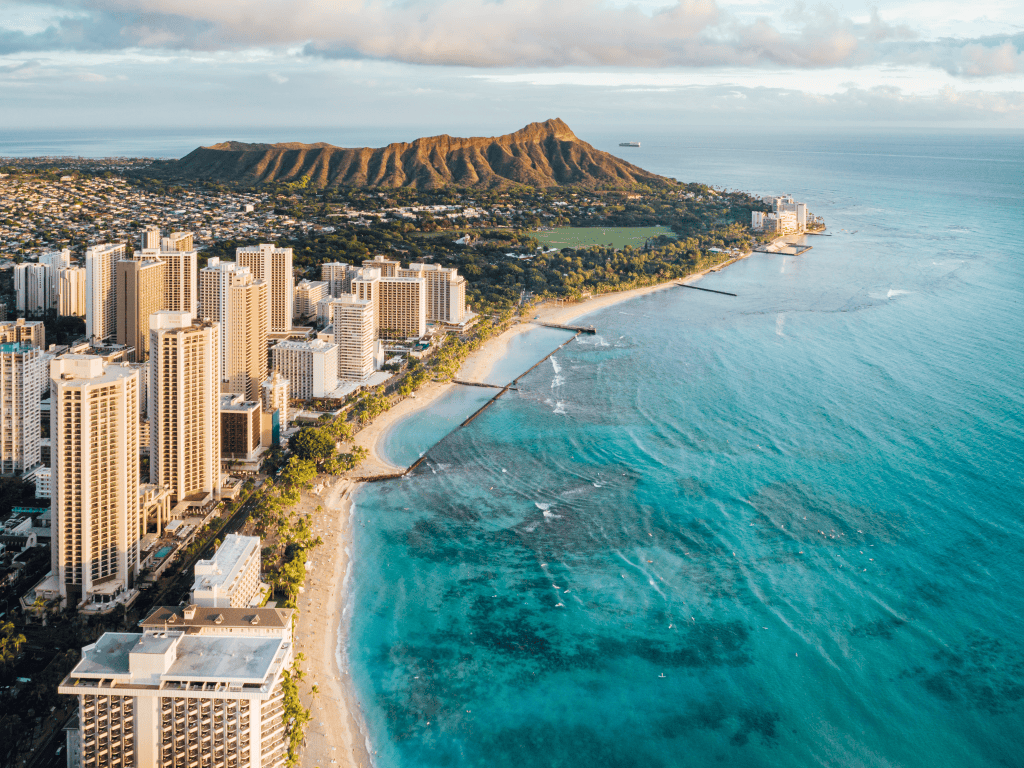
There’s a lot more to Oahu than Waikiki. Honolulu has Hawaii’s widest selection of restaurants, from high-end tasting menus to ramen shops and garlic shrimp trucks, along with shopping and beachfront hotels. Head north out of the city and the island feels completely different.
In the winter, you can watch some of the world’s best big-wave surfers at Waimea Bay and Banzai Pipeline, and nearby Haleiwa has a much more laid-back, small-town feel. Oahu is also where you’ll find Pearl Harbor and Iolani Palace. It’s a great option if you want a mix of city life, history, and beaches without having to rent a car every day.
If you want volcanoes, varied landscapes, and stargazing, choose the Big Island. Here’s why:
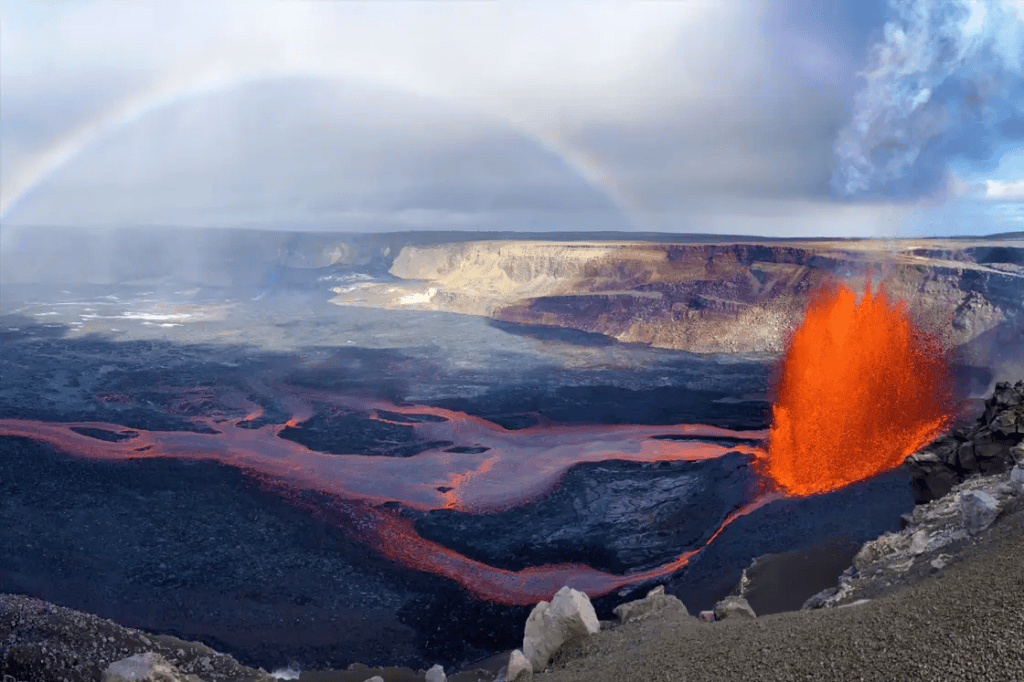
The Big Island is larger than all the other Hawaiian islands combined, and the landscape changes considerably depending on where you are. You’ve got sunny, dry coastlines around Kona, rainforests near Hilo, and even snow on the highest mountains in winter.
Explore Hawaii Volcanoes National Park, visit black and green sand beaches, snorkel at night with manta rays, or tour a coffee farm in Kona. The island is also known for stargazing around Mauna Kea. Because things are so spread out, I’d rent a car and consider splitting your stay between the Kona/Kohala coast and the Hilo/Volcano side.
If you want luxury and an escape from the crowds, choose Lanai. Here’s why:
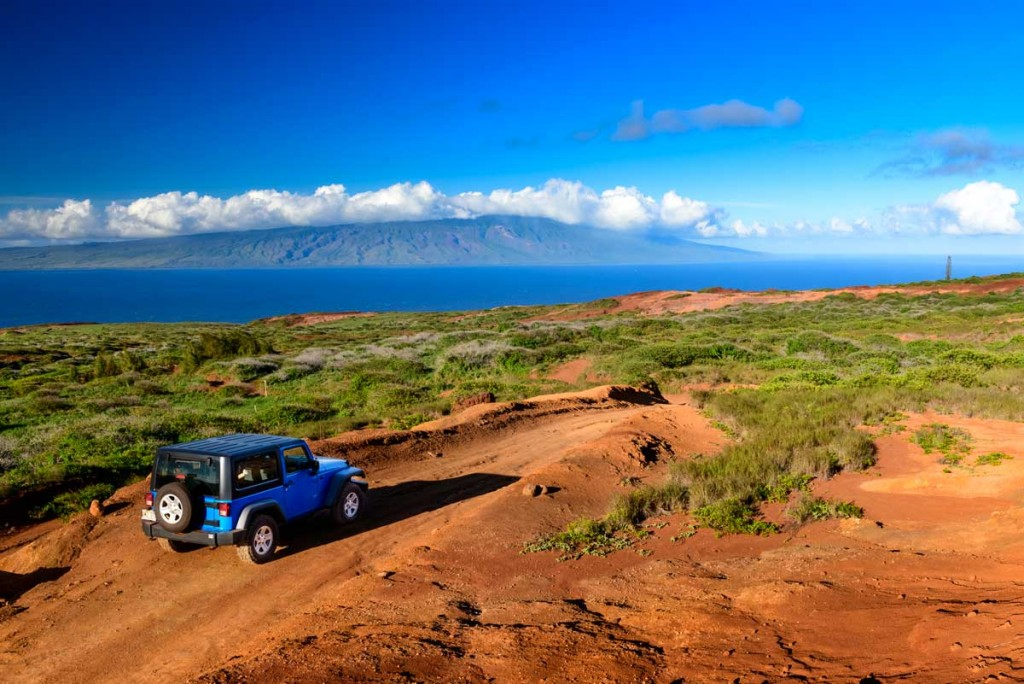
With roughly 3,000 residents, no traffic lights, and relatively few paved roads, Lanai feels very different from Maui or Oahu. Once a major pineapple plantation, it’s now best known for two Four Seasons properties: one on the beach at Hulopoe Bay and one focused on wellness in the cooler hills of Koele.
You can snorkel in Hulopoe Bay, rent a 4×4 to explore the unusual rock formations at Keahiakawelo (Garden of the Gods), or try sporting clays in the highlands. It’s also possible to combine a stay here with Maui by ferry or Honolulu by a short flight. Give any spinner dolphins you encounter plenty of space.
If you want to learn about local culture and get away from the resorts, consider Molokai. Here’s why:
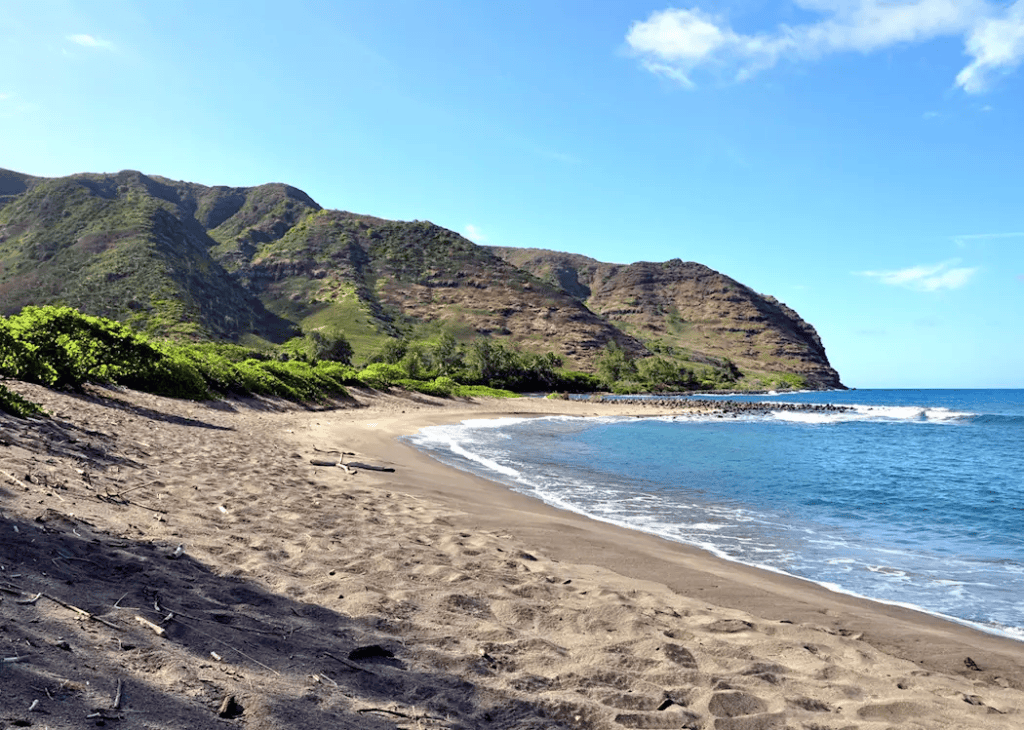
Molokai has a much quieter pace than the more visited islands and a strong Native Hawaiian community. There aren’t big chain resorts or many organized tours, so it’s better suited to visitors who are interested in learning about local culture and supporting small businesses.
Browse the Saturday market in Kaunakakai, pick up fresh bread from the local bakery at night, or visit Halawa Valley with a local cultural guide. The island is also known for its enormous sea cliffs along the north shore. If you’re considering Molokai, plan ahead, respect local access restrictions, and don’t expect the same range of visitor services you’d find on Maui.
Ready to Plan Your Hawaiian Vacation?
Once you’ve narrowed down the island, there are still a few things to figure out. Which side of the island has better weather when you’re going? Is it worth splitting your stay? And which hotels are actually worth the price?
If you’re thinking about a trip to Hawaii, reach out to me at LazGo Travel or fill out my trip planning intake form. I’d love to help you figure out which island (or combination of islands) makes the most sense for your trip.


Leave a Reply