When most people think of a safari, they picture lions, elephants, and giraffes roaming the African savannah. But safaris can look very different depending on where you go. You could be tracking gorillas through a rainforest, searching for tigers in India, or watching elephants from a boat in Botswana. The right destination depends on what animals you want to see, how you like to travel, and what else you’d like to do on your trip.
If you want a classic first safari with plenty to do beyond wildlife, choose South Africa.
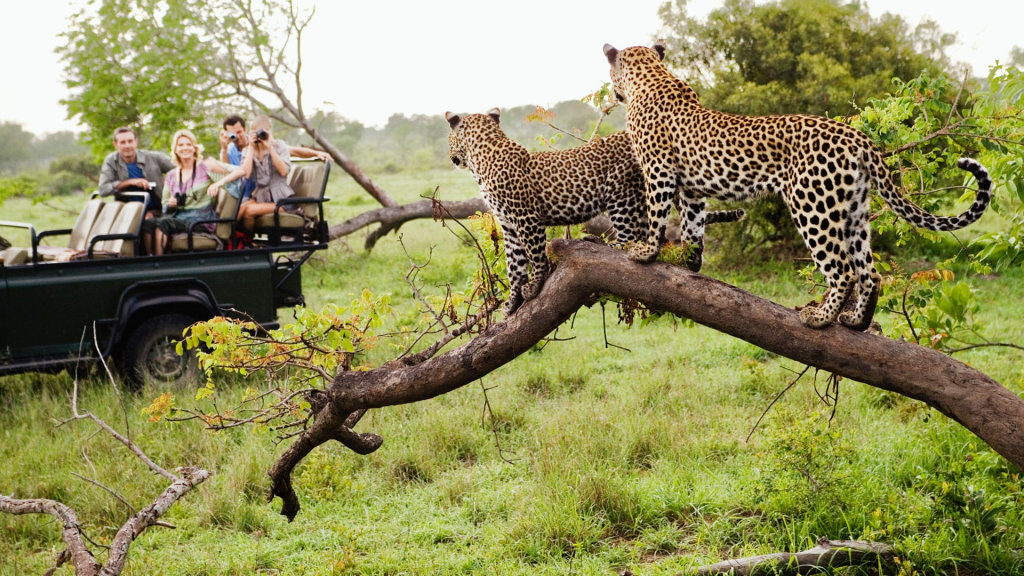
South Africa is a great choice for a first safari. Kruger National Park and the neighboring private reserves offer good chances of seeing the Big Five (lion, leopard, elephant, rhino, and buffalo), and you’ll find everything from affordable lodges to luxury camps. There are also malaria-free reserves elsewhere in the country, which can be particularly appealing to families.
What really sets South Africa apart is how much there is to do before or after your safari. Spend a few days exploring Cape Town, go wine tasting in Stellenbosch and Franschhoek, or drive along the Garden Route. It’s a great option if you want a safari to be part of a larger vacation.
If you want the iconic African savannah experience, choose Kenya.
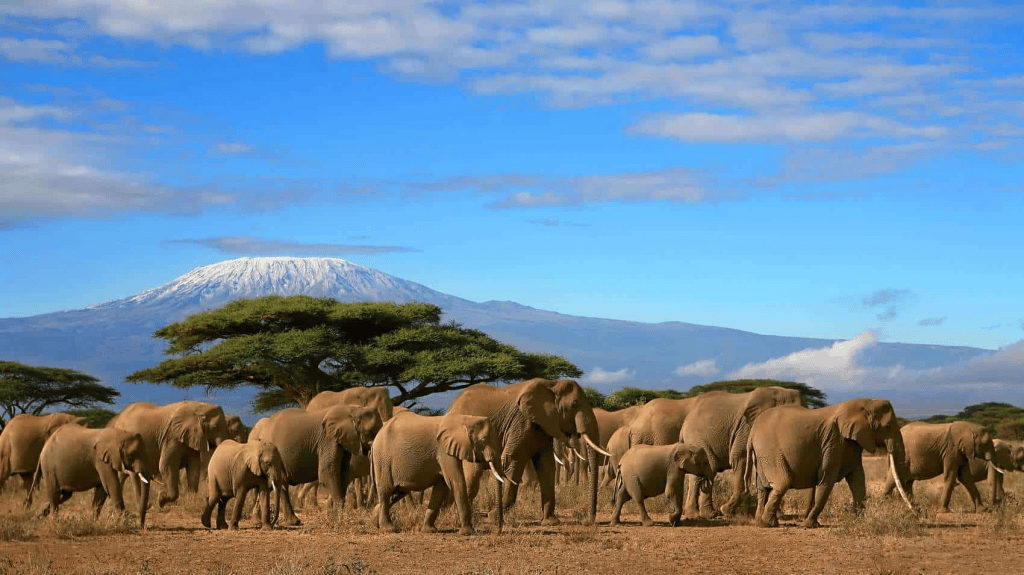
If your dream safari involves endless grasslands dotted with giraffes, zebras, and lions, Kenya is hard to beat. The Maasai Mara is known for its big cats and the Great Migration, when huge herds of wildebeest and zebras move between Tanzania and Kenya.
There’s plenty to see outside the Mara, too. Amboseli National Park is known for its elephant herds and views of Mount Kilimanjaro, while the conservancies in Laikipia tend to offer a quieter safari experience. You can also learn about Maasai and other local cultures. If you’ve always wanted to experience the kind of safari you’ve seen in nature documentaries, Kenya is a great place to start.
If you want to see mountain gorillas while experiencing several types of wildlife, choose Uganda.
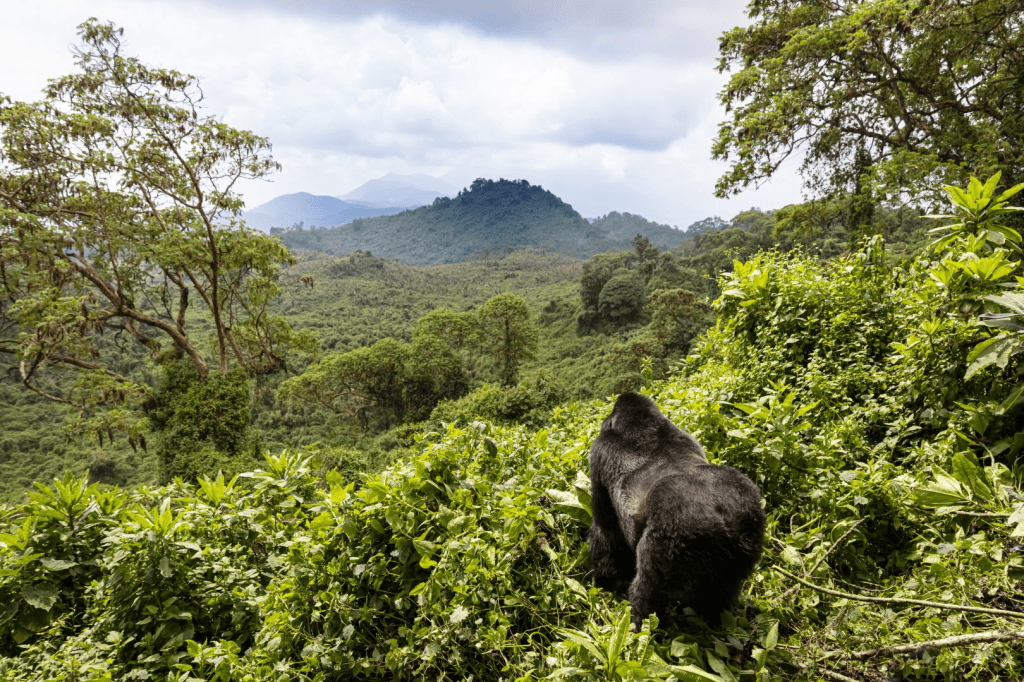
Tracking mountain gorillas through Bwindi Impenetrable National Park is quite different from a traditional safari. Instead of looking for animals from a vehicle, you’ll hike through dense forest with guides before spending a limited amount of time observing a gorilla family that’s accustomed to human visitors.
Uganda’s biggest advantage is its variety. You can also track chimpanzees in Kibale Forest, look for tree-climbing lions in Queen Elizabeth National Park, or take a boat safari to see hippos, crocodiles, and elephants. Gorilla trekking is generally less expensive than in neighboring Rwanda, though you’ll likely spend more time driving between destinations.
If you want a more streamlined, luxurious gorilla trekking experience, choose Rwanda.
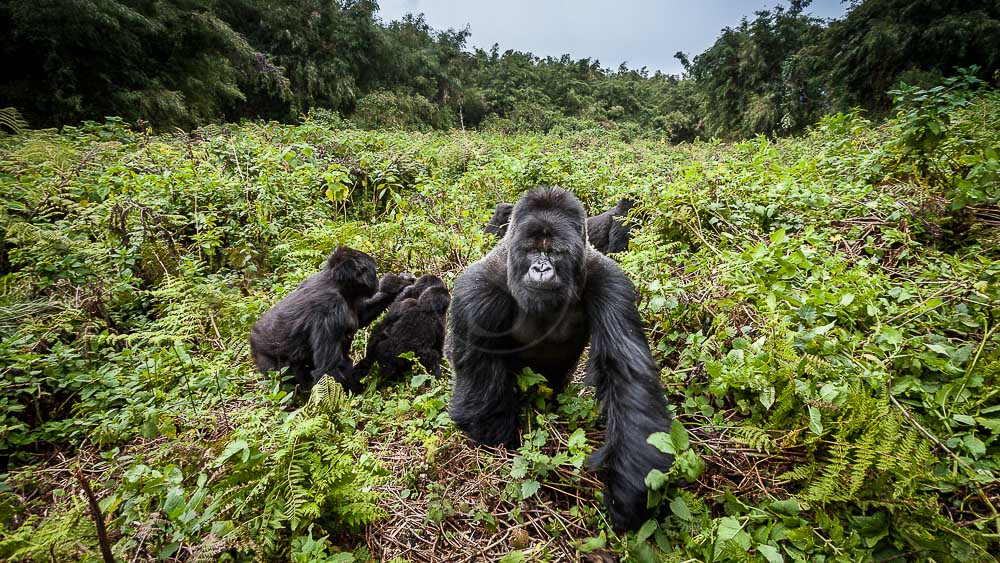
Like Uganda, Rwanda gives you the chance to see endangered mountain gorillas in the wild. One of the biggest differences is how easy it is to get there. Volcanoes National Park is only a few hours from Kigali, which is particularly convenient if you’re short on time.
Rwanda is also known for its luxury safari lodges. Gorilla trekking permits are significantly more expensive than in Uganda, but the shorter transfers and range of high-end accommodations may be worth it to you. You can also go chimpanzee trekking in Nyungwe Forest or take a traditional safari in Akagera National Park. If gorillas are your main priority and you’ve got the budget, Rwanda is a great choice.
If you want an exclusive safari away from the crowds, choose Botswana.
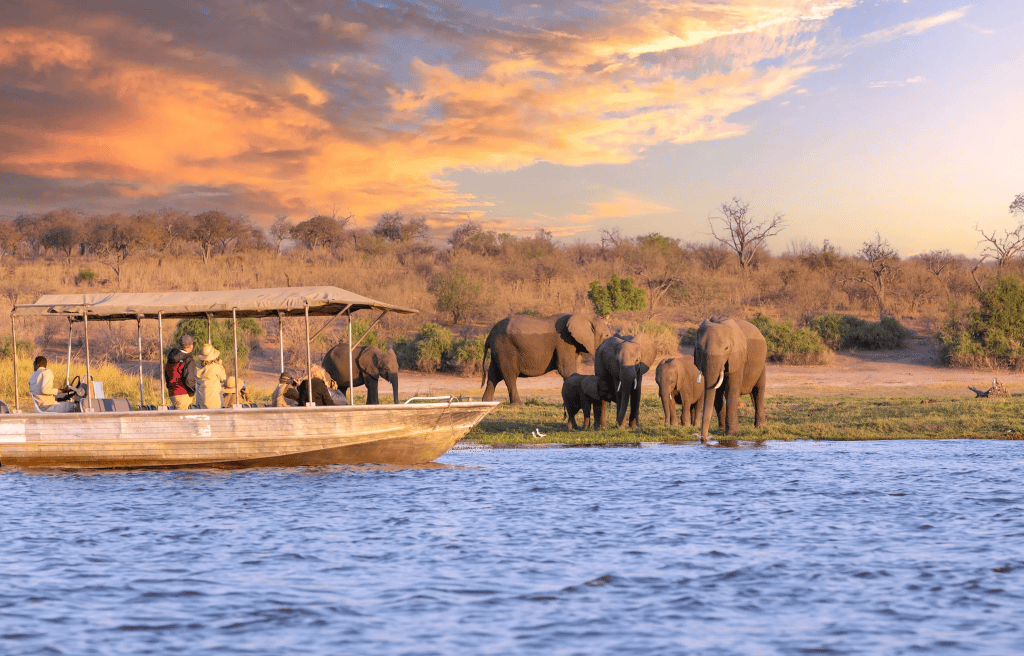
Botswana is known for its remote wilderness areas, small safari camps, and approach to tourism that limits visitor numbers. The Okavango Delta is particularly interesting because seasonal floodwaters turn it into a network of channels, islands, and wetlands filled with wildlife.
Depending on the season and where you’re staying, you can explore by traditional mokoro canoe, motorboat, or safari vehicle. Chobe National Park is also worth visiting, especially for its large elephant population and river safaris.
Botswana tends to be one of Africa’s more expensive safari destinations, particularly if you’re staying at remote camps that require a flight on a small plane. But if you want to avoid the crowds and spend a few days far away from the hustle and bustle of everyday life, it’s hard to beat.
If you want dramatic landscapes and the Great Migration, choose Tanzania.
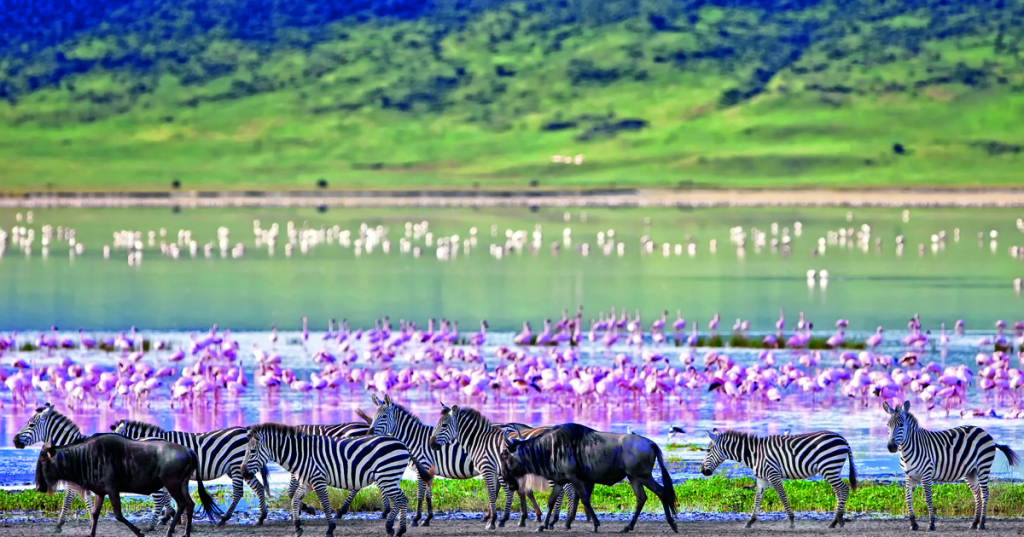
Tanzania is home to the Serengeti and the Ngorongoro Crater, two of Africa’s best-known wildlife areas. The Great Migration spends much of the year in the Serengeti, including the calving season in the south when thousands of wildebeest are born over a relatively short period.
The Ngorongoro Crater has a huge concentration of wildlife within an ancient volcanic caldera. You can also see elephants in Tarangire National Park, and if you want to extend your trip beyond the safari, there’s Mount Kilimanjaro or the beaches of Zanzibar.
Both Kenya and Tanzania are great choices for seeing the Great Migration. I’d lean toward Tanzania if you want to visit several major wildlife areas in one trip and see a particularly varied set of landscapes.
If you want to see tigers in the wild, choose India.
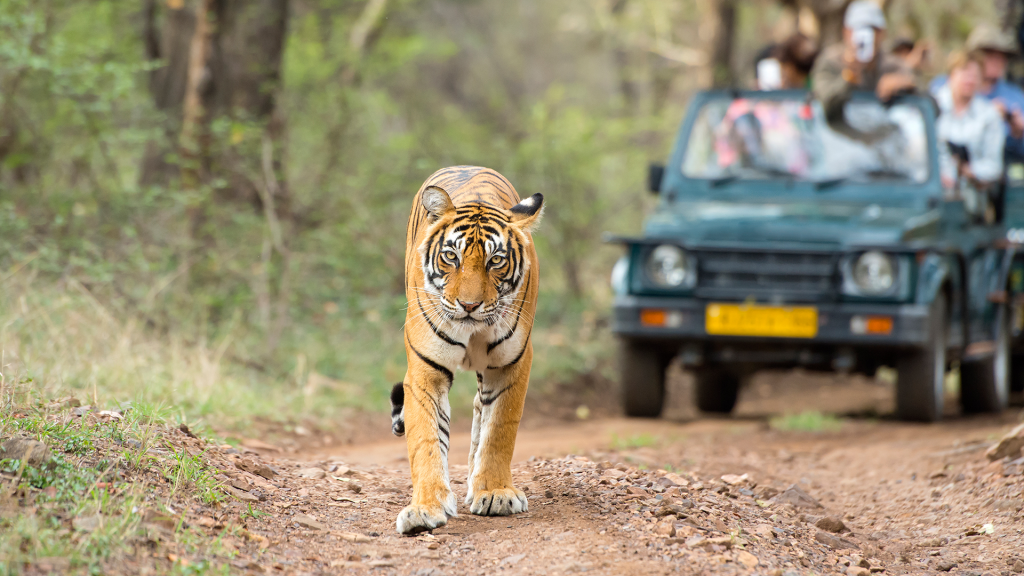
Africa may be best known for its safaris, but India gives you the chance to see wild Bengal tigers. Parks like Ranthambore, Bandhavgarh, Kanha, and Pench are good places to look for them, along with leopards, sloth bears, deer, and a wide variety of birds.
Unlike the open grasslands of East Africa, India’s safaris generally take place in forests and wooded grasslands. You’ll need some patience and a bit of luck to find a tiger, as sightings are never guaranteed.
You can easily combine a safari with visits to the Taj Mahal, Jaipur’s palaces, or other historic cities. If you’ve already done an African safari or have always wanted to see a tiger in the wild, I’d definitely consider India.
If you want a rainforest adventure with orangutans and unusual wildlife, choose Borneo.
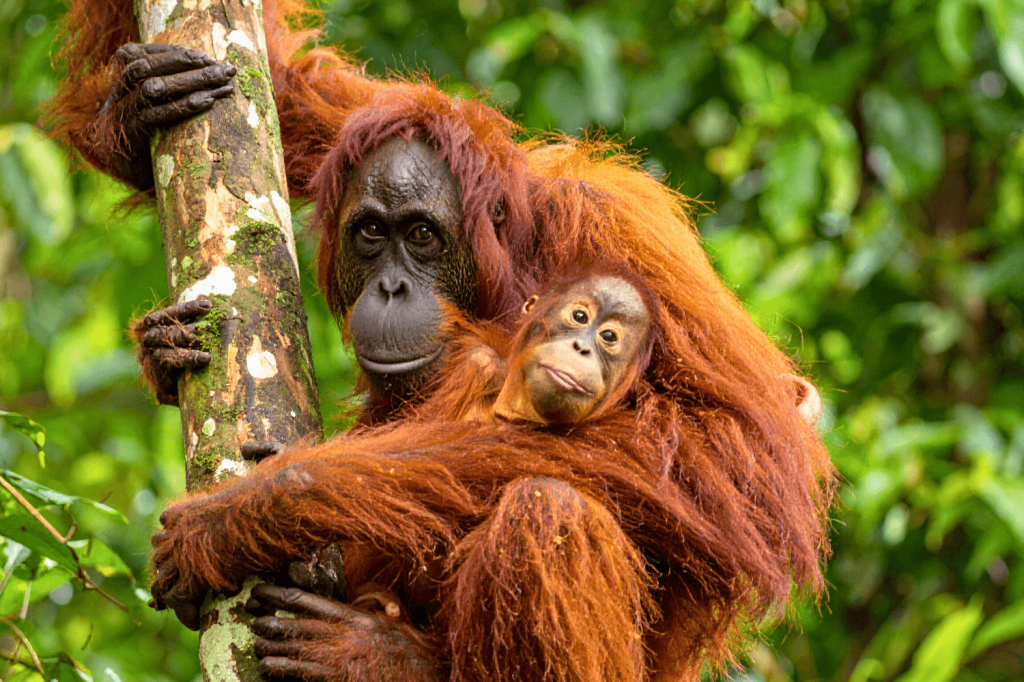
If you’re looking for something completely different from an African safari, consider Borneo. The Southeast Asian island is shared by Malaysia, Indonesia, and Brunei, and is home to orangutans, proboscis monkeys, hornbills, and Bornean elephants.
The Malaysian state of Sabah is a particularly good place to base a wildlife trip. You can take early morning and evening boat trips along the Kinabatangan River looking for monkeys, elephants, and orangutans. Further into the rainforest, Danum Valley offers guided jungle hikes and night drives.
Borneo is best if you enjoy active trips and don’t mind humidity, rain, or having to work a little harder to spot wildlife. You can also combine it with other destinations in Southeast Asia or a few days at the beach.
So, which safari is right for you?
There’s no single best safari destination. South Africa is a good starting point if it’s your first safari, while Botswana is worth the extra cost if you want a quieter luxury trip. If gorillas or tigers are at the top of your list, that makes the decision a lot easier.
Where you go is important, but so is when you go. Migration patterns, rainy seasons, park closures, and lodge accessibility can all affect what you’ll see and do. It’s worth thinking about those factors before you settle on a destination or book your flights.
At LazGo Travel, I can help you figure out which safari makes the most sense for you. Whether you’ve been dreaming of an African safari for years or you’re interested in something a little different, I’ll help you narrow down the options based on your interests, budget, and how you like to travel.
Interested in planning a safari? Visit my Get Started page to get in touch.


Leave a Reply